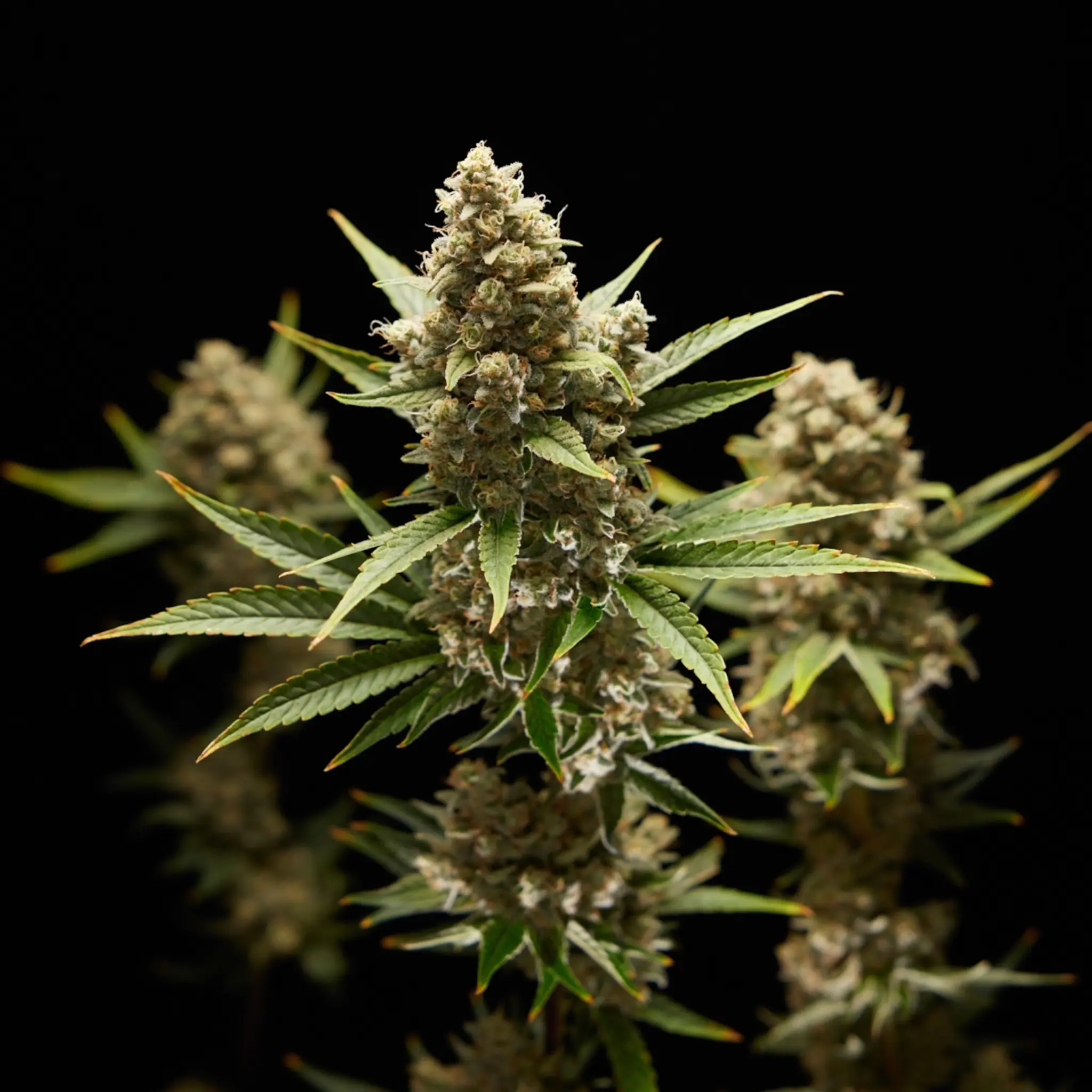
The Nigerian National Assembly is reportedly drafting a legislative bill aimed at legalising cannabis for medicinal and economic purposes, a move that could significantly reshape the country’s agricultural and pharmaceutical sectors.
The proposed legislation, currently under discussion, is expected to focus on the regulated cultivation, processing and export of cannabis strictly for medical, industrial and research-related uses, while recreational use would remain prohibited under Nigerian law.
The development was brought to public attention by former senator and Labour Party chieftain, Athan Nneji Achonu, who disclosed that lawmakers are already working on a framework to unlock the economic potential of cannabis in Nigeria.
According to Achonu, cannabis has become a major revenue source in several countries that have embraced regulated medicinal and industrial marijuana industries. He described the crop as green gold, arguing that Nigeria could generate billions of naira through taxation, exports and foreign investments if the sector is properly regulated.
Supporters of the bill believe the proposed reform could help diversify Nigeria’s economy beyond crude oil by creating new opportunities in agriculture, pharmaceuticals, manufacturing and research. Industry analysts say Nigeria’s favourable climate and large farming population could position the country as one of Africa’s leading cannabis producers if the law is eventually passed.
The proposed bill is also expected to establish strict licensing systems for cultivation and processing, as well as regulatory oversight by relevant government agencies to prevent abuse and illegal trafficking.
Several countries, including Canada, Germany, Israel, Lesotho and Zimbabwe, have already legalised cannabis for medicinal or industrial purposes under controlled frameworks. Advocates of the Nigerian proposal say the country risks missing out on a fast-growing global cannabis market if reforms are delayed further.
However, the proposal has already sparked mixed reactions across the country.
Critics, including anti-drug campaigners and some public health experts, have warned that legalising cannabis in any form could encourage drug abuse, especially among young people, if regulations are poorly enforced. Others fear criminal groups could exploit loopholes in the system.
Nigeria currently maintains strict anti-drug laws, with cannabis cultivation, possession and trafficking remaining illegal under the National Drug Law Enforcement Agency (NDLEA) Act.
This is not the first time cannabis reform has surfaced in Nigeria’s legislative discussions. Previous attempts by lawmakers to introduce bills supporting medicinal cannabis and industrial hemp production faced resistance during parliamentary debates.
As discussions continue within the National Assembly, Nigerians are closely watching to see whether the proposed legislation will gain enough political support to become law. If passed, the bill could mark a major shift in the country’s drug policy and open a new chapter in Nigeria’s agricultural and medical industries.