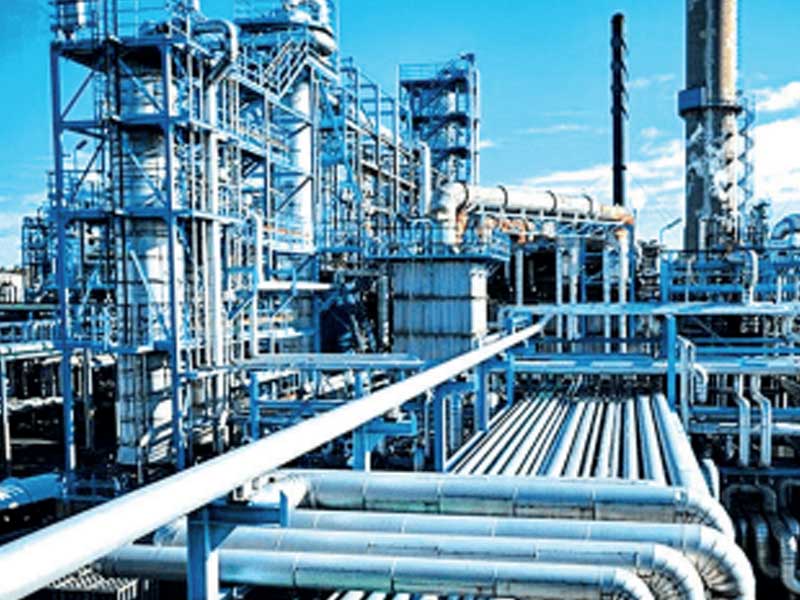
Dangote Petroleum Refinery has reduced the ex-depot (gantry) price of Premium Motor Spirit (petrol) by ₦75 per litre, following a decline in global crude oil prices driven by easing geopolitical tensions in the Middle East.
In a circular issued to petroleum marketers on Monday, the refinery announced that the adjustment reflects recent developments in the international energy market, particularly the de-escalation of tensions that had previously pushed crude oil prices higher.
According to the statement, the new ex-depot price now stands at ₦1,175 per litre, down from ₦1,250 per litre. The coastal price per metric tonne was also reduced from ₦1,595,790 to ₦1,495,215.
The refinery said the revised pricing would take effect from midnight, adding that all pending unlifted gantry volumes would be repriced at the new rate from 12:00 a.m. on June 16, 2026.
“Kindly note that all outstanding unloaded gantry volumes will be repriced at the new rate effective 12:00 AM, June 16, 2026,” the circular stated, while appreciating marketers for their continued patronage.
Industry analysts say the reduction is linked to the recent drop in global oil prices following renewed diplomatic engagements between the United States and Iran over the reopening of the Strait of Hormuz, a critical global shipping route for crude oil.
Brent crude, the international benchmark, had earlier surged during months of instability in the Middle East but has since begun to decline as tensions ease.
In Nigeria, fuel prices had previously risen significantly during the period of heightened crude oil costs, with retail pump prices climbing above ₦1,200 per litre in many parts of the country.
The latest reduction by the Dangote Refinery is expected to ease pressure on marketers and may lead to a gradual decline in pump prices nationwide if the trend in global oil prices continues.
Energy experts, however, caution that domestic fuel pricing will still depend on crude oil supply dynamics, exchange rates, and local distribution costs.
Nigerians have welcomed the development, with many hoping the reduction will translate into lower transport fares and reduced cost of goods and services in the coming weeks.