NGBreakingnews
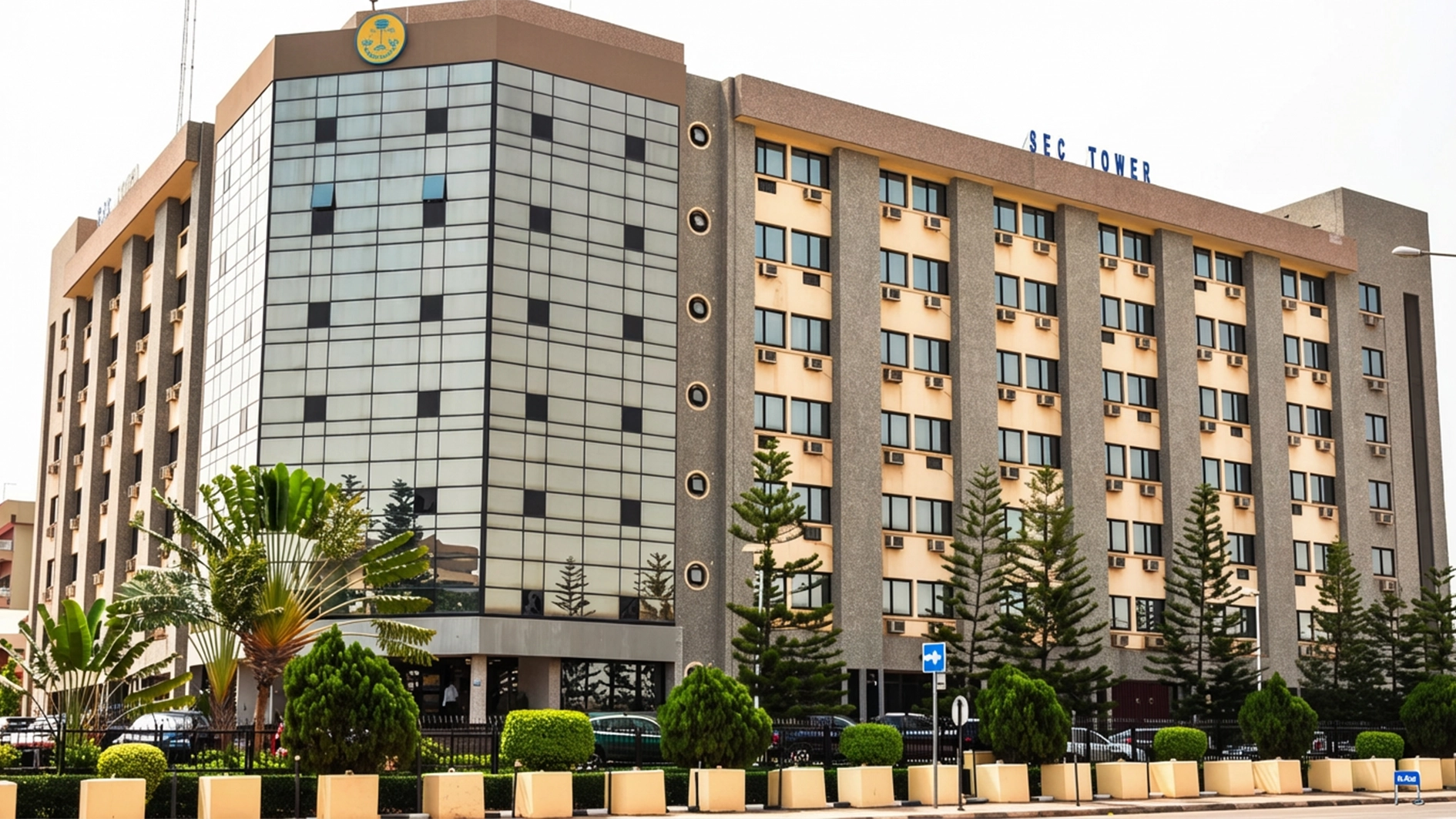
The Securities and Exchange Commission (SEC), Abuja, spent a combined ₦275,289,784.64 on staff-related tax liabilities and medical allowances between 2017 and 2019, with questions raised over why public funds were used to settle employees’ outstanding tax obligations and why additional medical benefits were paid to workers already covered under the National Health Insurance Scheme (NHIS).
One of the transactions involved ₦33,424,144.56 paid by the Commission to settle staff PAYE liabilities and penalties from previous years. However, the records showed no evidence that the affected employees had first had the amounts deducted from their salaries before the Commission made the payment. The issue was examined under Paragraphs 234(i) and 235 of the Financial Regulations 2009, as well as Section 2(1) of the Personal Income Tax Act 2011.
In its response, the Commission explained that the tax authority discovered an under-deduction during a tax examination and imposed a penalty with a payment deadline. According to management, the Commission paid the amount to prevent further penalties, with the intention of recovering the money from the affected staff afterwards.
However, the concern remained that there was no evidence showing that the ₦33,424,144.56 had actually been recovered from the employees. Consequently, the payment raised questions about the use of public funds to settle liabilities that were expected to be borne by the affected staff.
A separate transaction involved ₦241,865,640.08 paid as quarterly medical allowances to staff between 2017 and 2019, despite the employees already being registered under the National Health Insurance Scheme and the Commission paying premiums on their behalf.
The payment was examined under Paragraph 415 of the Financial Regulations 2009. The concern centered on the additional medical allowances paid to employees who were already receiving health coverage through the scheme, creating questions about the justification for the extra expenditure.
Management defended the payments, stating that medical allowance was part of the Consolidated Salary Structure approved by the National Salaries, Incomes and Wages Commission and was regularly included in the Commission’s budget. The Commission further explained that the Honourable Minister of Finance approved the 2017–2019 budget in the absence of the Board, and that the budget was subsequently appropriated by the National Assembly.
Despite these explanations, the findings maintained that the payments required further accountability. The risks identified across the two transactions included loss and possible diversion of public funds.
During the period covered by the wider review, Mounir Gwarzo served as substantive Director-General until December 2017, when he was suspended. Dr Abdul Zubair briefly served as Acting Director-General before Mary Uduk took over around April 2018, remaining in the position until May 2020. Uduk therefore covered most of the 2018–2019 period. The records provided do not establish which official personally authorised each of the payments.
For the PAYE transaction, the Commission was directed to recover and remit ₦33,424,144.56 to the Treasury, with possible sanctions under Financial Regulations 3106 and 3115 if it failed to comply. Also, for the medical allowances, the recommendation was to account for and recover the full ₦241,865,640.08 and remit it to the Treasury. Failure to do so could also attract sanctions under the same financial regulations.
Although management provided explanations for both transactions, the concerns over the absence of evidence of recovery of the staff tax liabilities and the payment of additional medical allowances to employees already covered under the national health scheme remain central to the issues raised.
Follow NGBreakingnews on WhatsApp: join the channel for every exclusive the moment it publishes.