The National Assembly has rolled out its plans to overhauling Nigeria’s budgeting system, as it organises a high-level national policy dialogue to that effect.
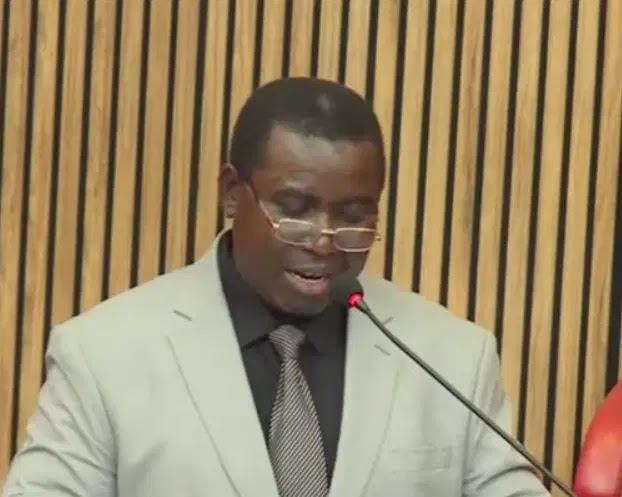
Chairman of the House of Representatives Committee on National Planning and Economic Development, Hon. Gboyega Isiaka, disclosed the development during a media briefing in Abuja on Monday.
Speaking on behalf of the joint committee of the Senate and the House, he also disclosed that the two-day dialogue has been scheduled for April 14 and 15, 2026, in Abuja, Nigeria intensifies efforts to position itself for a $1 trillion economy by 2030.
According to him, the dialogue is designed to bridge longstanding gaps between national development plans and budget implementation, as critical stakeholders from across government, the private sector, and policy institutions to chart a coherent development path for Nigeria.
“We cannot continue on a business-as-usual trajectory. Our growth must not only accelerate but must also be deliberately tied to a well-structured and implementable national plan.
“The lessons are clear. Plans alone are not enough; execution, consistency, and adaptability are critical. This dialogue is about getting it right going forward,” he said while reflecting on Nigeria’s history of development plannings; from pre-independence strategies to Vision 2020 and the Economic Recovery and Growth Plan and more.
He said while some frameworks recorded partial successes, many fell short due to structural weaknesses, macroeconomic volatility, and external shocks such as fluctuating oil prices.
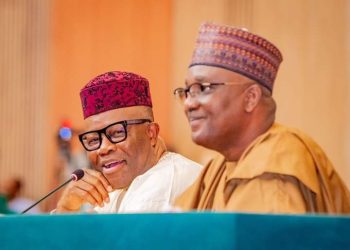
Also responding to a question on how to manage possible oil windfall ocasioned by lingering crisis in the Middle East, his deputy, Clement Jimbo said while the responsibility lies primarily with the executive, “there’re multiple pathways to managing windfalls effectively, and I am confident that with the right framework, Nigeria can better optimise such opportunities,” he said.