Iran is digging in. Tehran is reportedly laying traps and moving additional military personnel and air defences to Kharg Island, bracing for a possible US operation to take control of the island. The move could trigger one of the most consequential military escalations of the decade. The Iran Kharg Island attack scenario is now being actively discussed inside the White House as well as in the Mojtaba Khameini regime.
Most people had never heard of Kharg Island until the March 13 US bombing of ‘Iranian military installations’ on the island.
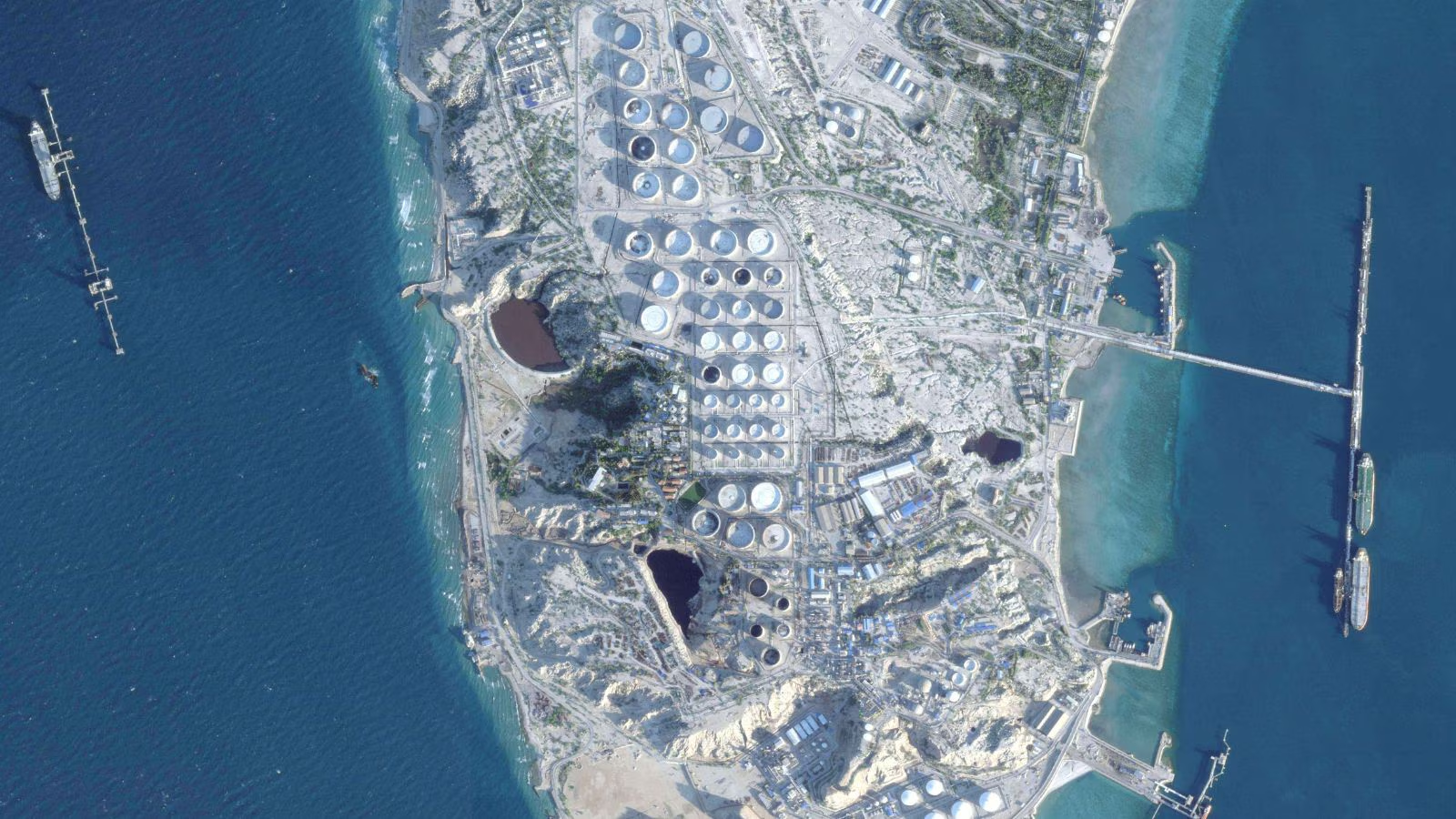
Situated in the Persian Gulf, roughly 20 miles off the Iranian mainland’s coast, Kharg Island is a strategic port and oil export hub that handles up to 90 percent of Iran’s oil exports. It is essentially the financial spigot keeping the Iranian regime alive. Iran is one of the world’s largest oil producers, and oil and gas exports account for the majority of the country’s revenue.
Iran has recently been exporting roughly 1.1 to 1.5 million barrels of oil per day, mostly to China. Cut off Kharg and you don’t just hurt Tehran – you send shockwaves through the global energy market and spike crude prices.
ALSO READ | War in West Asia: Why Pakistan’s peacemaker role is filled with landmines
How did an island of Kharg’s importance become a target?
The current crisis has roots in the broader Iran-Israel War. The conflict began on February 28, 2026, when US and Israeli forces launched joint strikes on various Iranian military sites.
Story continues below this ad
On March 13, Trump announced that American forces had struck Kharg’s military installations in what he called “one of the most powerful bombing raids” in Middle East history, though oil infrastructure was left intact. The message was deliberate: back down, or the pipelines go next.
How Iran is fortifying Kharg Island
Iran has not backed down. Instead, it has fortified. According to American broadcaster CNN, the Iranians have moved additional shoulder-fired, surface-to-air guided missile systems known as ‘MANPADs’ (Man-portable air-defence systems) to the island in recent weeks. Iran has also laid anti-personnel and anti-armor mines along the island’s shores, to thwart a possible amphibious attack by the US.
Meanwhile, the speaker of Iran’s parliament issued a public statement, posting on X that “based on intelligence input, Iran’s enemies, with the support of one of the regional countries, are preparing to occupy one of the Iranian islands”. “All enemy movements are under the full surveillance of our armed forces. If they step out of line, all the vital infrastructure of that regional country will, without restriction, become the target of relentless attacks,” he warned.
براساس برخی دادهها، دشمنان ایران با پشتیبانی یکی از کشورهای منطقه، در حال تدارک عملیات اشغال یکی از جزایر ایرانی هستند.
تمام تحرکات دشمن تحت اشراف نیروهای مسلح ماست. اگر قدم از قدم بردارند، تمام زیرساختهای حیاتی آن کشور منطقهای بدون محدودیت، هدف حملات بیامان قرار خواهد گرفت.— محمدباقر قالیباف | MB Ghalibaf (@mb_ghalibaf) March 25, 2026
Ground op not as easy as Trump’s making it sound
Here’s where it gets dangerous. The Trump administration is apparently considering plans to seize or block Iran’s Kharg Island. The stated goal: force Tehran to reopen the Strait of Hormuz, through which roughly 20 percent of the world’s oil and gas supply passes.
Some 2,200 US Marines stationed on Okinawa, Japan, are on their way to the Middle East, with the USS Tripoli leading the convoy since March 13. A combat brigade from the US Army’s 82nd Airborne Division could also be mobilised, according to Time magazine.
Story continues below this ad
But military analysts are raising red flags. Former NATO Supreme Allied Commander Admiral (retd) James Stavridis was quoted as saying by CNN: “Iranians are clever and ruthless. They will do everything they can to inflict maximum casualties on US forces both on the ships at sea, and especially once ground troops are anywhere in their sovereign territory.”
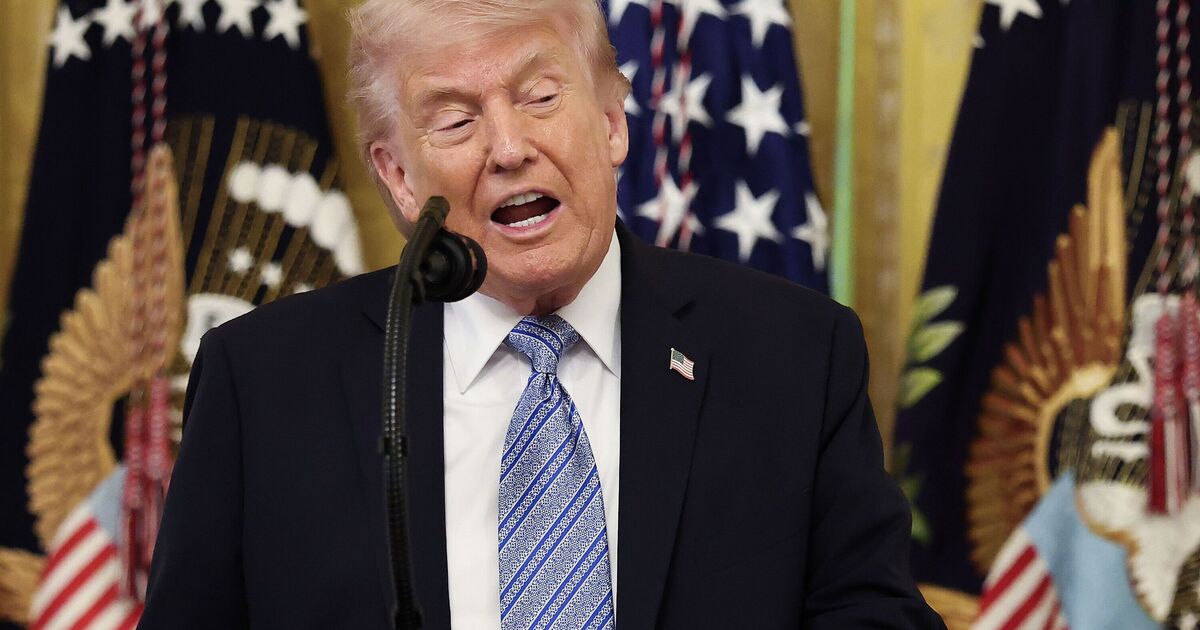
A confident Trump, however, is convinced that the US has already won the war. He said Iran is so scared that no one wants to be the Head of Iran and that the US President was offered the job of the Supreme Leader. He has maintained for long that Iran’s navy, aerial capabilities, and communication grid are completely destroyed and that Iran is “on its knees”.
🚨 President Trump on Iran:
Iran is on its KNEES, begging for a deal, but they can’t say it publicly or they’ll get killed.“We’d like to make you the next Supreme Leader! NO THANK YOU, I don’t want it!”
pic.twitter.com/QKBH2ViQ9x— Gunther Eagleman™ (@GuntherEagleman) March 26, 2026
A few days ago, Trump’s Secretary of War Pete Hegseth said: “The last job anyone in the world wants right now—senior leader for the IRGC or Basij. Temporary jobs, all of them.”
.@SecWar: “The last job anyone in the world wants right now—senior leader for the IRGC or Basij. Temp jobs, all of them.” pic.twitter.com/DvlsD8AOTh
— Trump War Room (@TrumpWarRoom) March 19, 2026
However, the current escalations point towards an uphill road and not the smooth one that Trump is trying to project.
What’s going on in Trump’s backyard?
Trump’s decision to wage war on Iran doesn’t seem to have gone down well with Americans. As per a poll result published by Pew Research Center, around 61% Americans disapprove of Trump’s handling of the conflict. Also, “Democrats and Democratic-leaning independents overwhelmingly disapprove of Trump’s handling of the conflict (90%) and say the US made the wrong decision in striking Iran (88%),” the report read.
And even Gulf allies are privately urging restraint, CNN reported. A senior Gulf official warned that occupying Kharg Island with US troops would result in high casualties, likely triggering an even worse Iranian retaliation against Gulf countries’ infrastructure. This would only prolong the conflict, they fear.
Story continues below this ad
Trump’s peace plan and Iran’s cold shoulder
Despite the escalations, not all is lost on the diplomacy front. A diplomatic track is being set, albeit a thin one. Trump has acknowledged Iran wants to make a deal, but said the terms “aren’t good enough yet”, as per NBC. Iranian Foreign Minister Abbas Araghchi has been blunter. He told Al Jazeera that Tehran doesn’t “see any reason to talk with Americans,” given the US attacked Iran while negotiations were reportedly ongoing.
Trump initially wanted to end the war before his planned trip to China at the end of March. The Strait of Hormuz crisis compelled him to postpone that trip and extend the conflict beyond his initial timeline.