As the US-Israel conflict with Iran entered day 31, US President Donald Trump said he would like to “take the oil in Iran” in an interview with the Financial Times, even as Pakistan prepares to host talks aimed at easing tensions. Meanwhile, Kuwait reported that an Indian worker was killed in an Iranian strike.
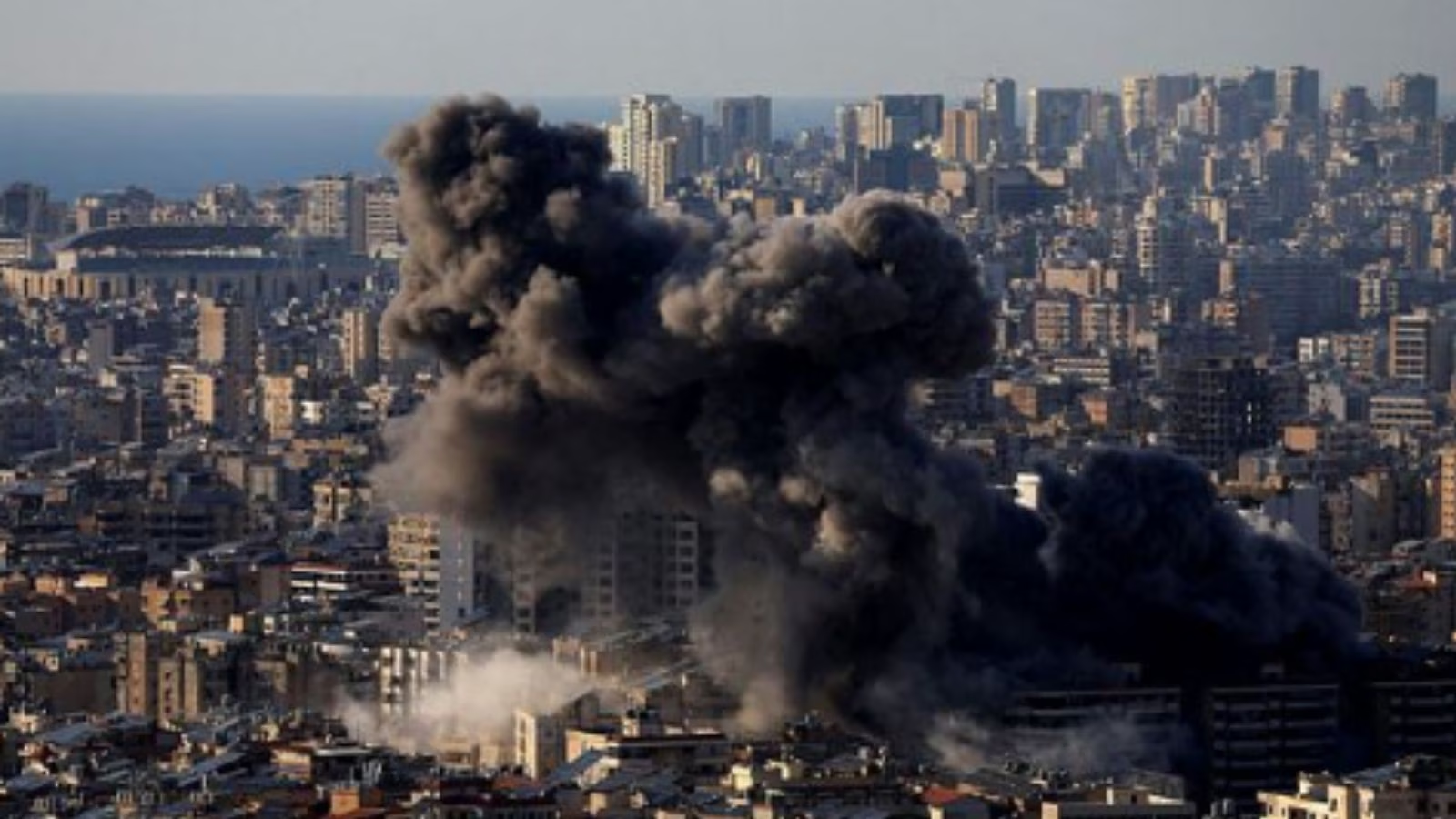
The developments come amid continued military exchanges and diplomatic efforts across the region. Israeli Prime Minister Benjamin Netanyahu on Sunday announced an expansion of Tel Aviv’s invasion of southern Lebanon while Iran warned it would strike the US aircraft carrier Abraham Lincoln if it comes within range.
Iran War News Live Updates
What Trump said
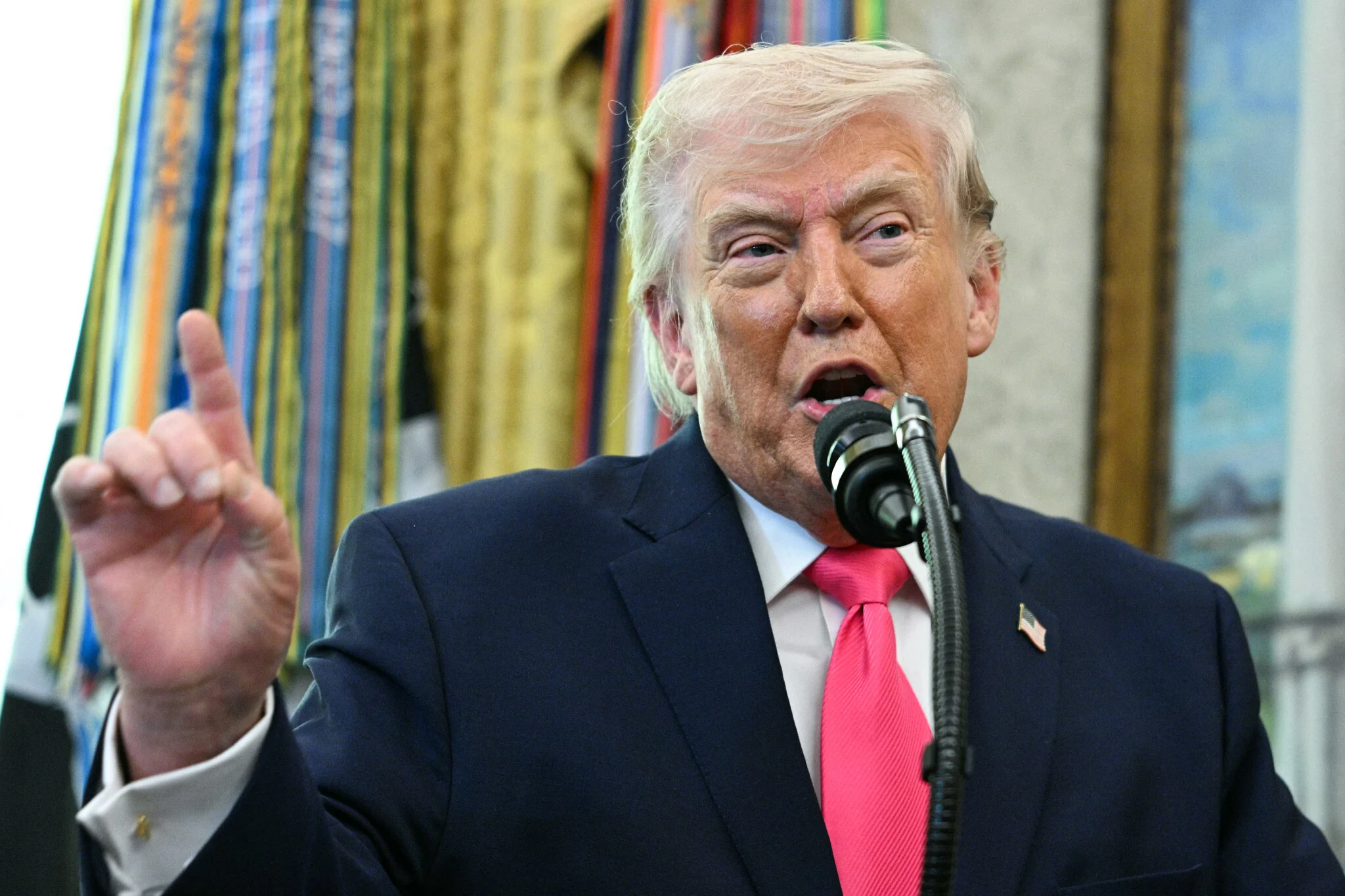
In an interview with the Financial Times, Trump said controlling Iran’s oil was his preferred option. “To be honest with you, my favourite thing is to take the oil in Iran,” he said, calling critics of the idea “stupid people”.
He said the US had multiple options regarding Kharg Island, a key hub through which most of Iran’s oil exports pass. “Maybe we take Kharg Island, maybe we don’t. We have a lot of options,” he said, adding: “I don’t think they have any defence. We could take it very easily.”
At the same time, Trump indicated that talks were under way and a deal remained possible. “I think we’ll make a deal with them pretty soon… A deal could be made fairly quickly,” he said, while adding, “It’s possible that we won’t.”
Strikes hit Iran and Israel
US-Israeli strikes targeted a petrochemical facility in Tabriz and affected power in parts of Tehran, while Iranian fire hit an industrial area in southern Israel, sparking a blaze.
Oil prices jump
Crude prices rose above $115 a barrel in Asian markets as the conflict widened and supply concerns grew.
Story continues below this ad
Regional diplomacy push
Foreign ministers from Pakistan, Egypt, Turkiye and Saudi Arabia met in Islamabad and said they were working towards de-escalation, with Pakistan indicating it could host talks in the coming days.
Indian worker killed
Kuwait said an Indian worker was killed in an Iranian attack on a power and desalination plant, as Gulf states reported intercepting drones and missiles.
Threats and military signals
Iran warned it could widen retaliatory strikes, while its parliamentary speaker said forces were “waiting” for US ground troops, as Washington deployed more troops to the region.
Pakistan hosting peace talks
Regional powers are set to meet in Pakistan to discuss ways to end the fighting, as about 2,500 US Marines arrive in the region and Iranian-backed Houthi rebels enter the month-long war. Pakistan said Saudi Arabia, Turkey and Egypt will send top diplomats to Islamabad for talks.
Story continues below this ad
Prime Minister Shehbaz Sharif said he held “extensive discussions” with Iranian President Masoud Pezeshkian on regional hostilities. The war has threatened global oil and gas supplies, triggered fertiliser shortages and disrupted air travel. Iran’s control over the Strait of Hormuz has unsettled markets.
Diplomatic efforts intensify
Egypt’s Badr Abdelatty, Turkey’s Hakan Fidan and Saudi Arabia’s Prince Faisal bin Farhan are in Islamabad for talks, days after the US shared a 15-point “action list” with Iran through Pakistan as a possible framework for a deal.
Abdelatty said the meetings aim to open a “direct dialogue” between Washington and Tehran.
Iran’s Foreign Minister Abbas Araghchi, meanwhile, accused the US and Israel of undermining international law, citing attacks on infrastructure, schools and hospitals.
Story continues below this ad
Pope’s criticism
Pope Leo said Sunday that God rejects the prayers of leaders who wage wars and have “hands full of blood”, in unusually strong remarks as the conflict entered its second month. Addressing thousands in St Peter’s Square on Palm Sunday, he called the war “atrocious” and said Jesus cannot be used to justify violence. “Even though you make many prayers, I will not listen: your hands are full of blood,” he said, citing the Bible.
Fuel tankers reach India
Two India-bound LPG tankers carrying about 94,000 metric tonnes of fuel have safely crossed the Strait of Hormuz and are heading to Mumbai and New Mangalore.
Australia PM Albanese calls for clarity
Australian Prime Minister Anthony Albanese said he wanted more certainty from US President Donald Trump on the objectives of the ongoing war in Iran. “I want to see more certainty in what the objectives of the war are and I want to see a de-escalation,” Albanese said, responding to a question about his view on how Trump was prosecuting the war.