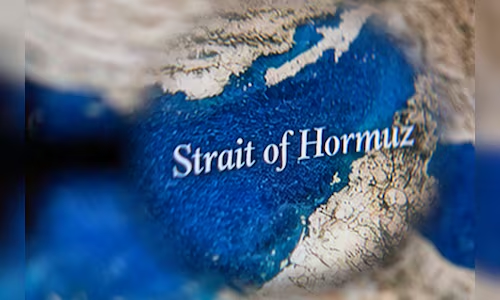
India has stepped up diplomatic engagement with Iran to secure safe passage for its vessels in the Strait of Hormuz after two Indian-flagged ships came under fire, even as disruptions in the region begin to weigh on oil movement through the critical corridor this month.
Officials indicated that shipments through Hormuz have slowed in April amid heightened tensions, prompting close monitoring by New Delhi of incoming crude cargoes and maritime traffic linked to India’s energy supplies.

MEA: In touch with Iran, safety of ships a priority
The Ministry of External Affairs said it is in continuous contact with Iranian authorities following the April 18 incident.
“We remain in constant contact with Iranian authorities regarding the safety of Indian vessels. We are continuously engaging with Iran to ensure safe passage,” MEA spokesperson Randhir Jaiswal said.
He added that the government is also closely tracking the safety of Indian nationals in the region.
Firing incident raises alarm
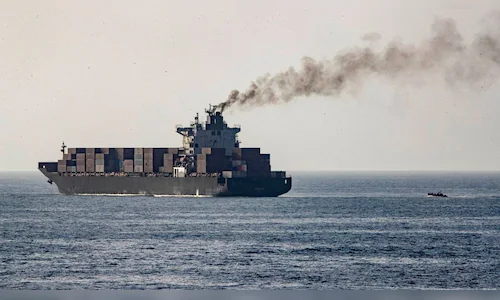
India formally raised the matter after two of its vessels were targeted by Iran’s Revolutionary Guard units.
Story continues below this ad
- An Indian-flagged oil tanker was fired upon by Iranian gunboats without prior warning
- A second vessel near Oman’s coast was hit by an unidentified projectile
- No casualties were reported; minor structural damage was recorded
- Sources described the episode as a result of a possible communication gap between Iranian authorities and local units, though New Delhi treated it as a serious escalation.
- 14 vessels remain in high-risk zone
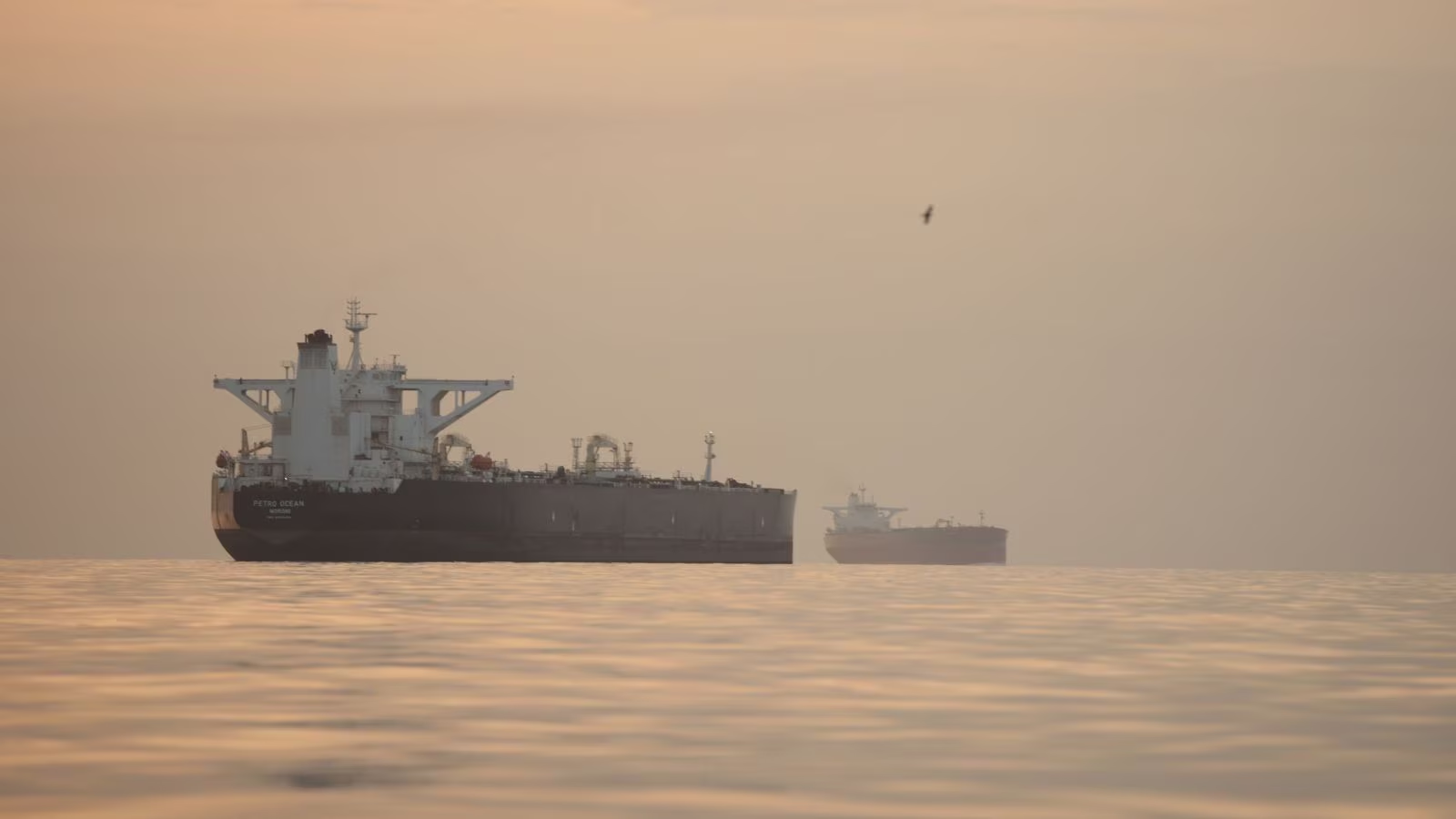
Since the conflict escalated in late February, 10 Indian-flagged LPG and oil tankers have made it safely through the Strait of Hormuz. However, 14 vessels remain stranded in the region; these include crude and LPG carriers. Efforts are underway to move them out safely.
Why Hormuz matters for India
The crisis has underscored the vulnerability of a critical choke point through which:
- Nearly 20% of global oil supply flows
- A large share of India’s crude and LPG imports transit
- Any disruption here has immediate implications for fuel availability, prices, and shipping safety.
Energy flows under watch in April
Government sources said oil inflows linked to the Gulf route are being reviewed on a near real-time basis this month, as insurers, shipping operators and naval advisories respond to the evolving security situation.
While there is no immediate shortage, officials indicated that routing delays, higher freight costs and security risks are emerging concerns as April cargoes navigate the region.
Story continues below this ad
Regional tensions persist
Tensions remain high, with Donald Trump maintaining that restrictions on Iranian ports will continue until a deal is reached, while Tehran has ruled out negotiations under pressure.
Parallel hostilities in the region, including continued Israeli strikes in southern Lebanon, have further complicated efforts to stabilise maritime movement.
India’s dual challenge
For New Delhi, the situation presents a twin challenge ensuring the safety of Indian vessels and seafarers while safeguarding energy supply lines that depend on the Gulf corridor.
With 14 ships still in a sensitive zone, officials said diplomatic engagement will remain “active and ongoing” in the coming days.
(With inputs from agencies)