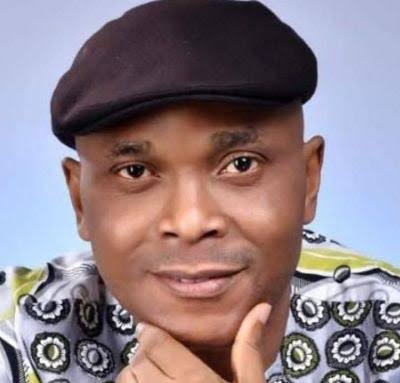
Mr Adebayo Adelabu also said Mr Tinubu consented to his bid to run for Oyo State governor.
The Minister of Power, Adebayo Adelabu, met with President Bola Tinubu on Tuesday to present a report on the performance of the power sector under his leadership over the past two and a half years, preparatory to his exit from office by the end of this month.
According to a statement shared with PREMIUM TIMES on Wednesday, Mr Adelabu met with Mr Tinubu at the Presidential Villa in Abuja on Tuesday, a day before he tendered his resignation letter. The statement was signed by the minister’s Special Adviser on Strategic Communications and Media Relations, Tunji Bello,
Mr Adelabu submitted his resignation letter on Wednesday, effective from 30 April, citing his bid to contest the next governorship election in Oyo State.
He also said the president consented to his governorship ambition during the meeting.
“The minister expressed profound appreciation to the President for his steadfast support and reaffirmed his commitment to the advancement of Nigeria’s power sector and overall national development,” the statement said.
The statement also said Mr Adelabu told the president that the reforms during his tenure focussed on improving electricity generation, strengthening transmission infrastructure and enhancing efficiency across the sector’s value chain.
A major part of the briefing, according to the statement involved the presentation of the National Integrated Electricity Policy (NIEP), alongside its Strategic Implementation Plan (SIP) and a medium- to long-term integrated resource plan for the sector.
“The NIEP is a comprehensive policy framework designed to guide the sustainable development of Nigeria’s electricity sector. It provides a long-term roadmap for achieving energy security, expanding electricity access, integrating renewable energy, and building a more resilient and efficient power sector.
“The Strategic Implementation Plan (SIP) serves as the operational blueprint for the NIEP, detailing specific actions, timelines, and institutional responsibilities required to translate policy objectives into measurable outcomes.
“The SIP prioritises critical interventions across generation, transmission, and distribution, while also addressing regulatory reforms, investment mobilisation, human capacity and local content development within the sector,” the statement read.
The statement said President Tinubu commended the minister’s efforts, particularly the policy frameworks introduced to reposition the sector.
On Mr Adelabu’s governorship aspiration, the statement said, “The President also granted his consent and blessing for the Minister to pursue his governorship ambition.”
It said the the timing of Mr Adelabu’s reaignation “reflects his commitment to addressing key sectoral challenges and ensuring continuity in ongoing reforms prior to exiting office.”
The statement noted the minister’s “efforts to stabilise the sector following recent declines in power generation due to gas supply constraints to power plants, ongoing pipeline repairs, and outstanding obligations to gas suppliers.”
PREMIUM TIMES reported that Mr Adelabu tendered his resignation letter dated 22 April on Wednesday.
The letter, addressed to President Tinubu, indicated the resignation is effective from 30 April.
He said the timeline would allow for an orderly transition and handover of responsibilities in the ministry.
The letter was transmitted through the Office of the Secretary to the Government of the Federation.
In the correspondence, Mr Adelabu expressed appreciation to the president for the opportunity to serve in the cabinet, describing his appointment as a privilege.
He said serving as Minister of Power had given him the opportunity to contribute to national development, particularly in reforms within the electricity sector.
“I write with a deep sense of honour and profound gratitude to formally tender my resignation as the Honourable Minister of Power of the Federal Republic of Nigeria. This resignation is to take effect on 30th April 2026, in order to allow sufficient time for a smooth and orderly handover of responsibilities.
“Your Excellency, I remain sincerely grateful for the privilege and confidence you reposed in me by appointing me to serve our great nation in this capacity,
“It has been a rare honour to contribute to national development under your leadership and to play a role in advancing reforms in the power sector—one of the most critical foundations of Nigeria’s industrial growth and economic transformation,” he wrote.
Mr Adelabu, however, said he was leaving office to concentrate on his political ambition in Oyo State, where he is expected to contest the 2027 governorship election.
President Tinubu had earlier given all political appointees aspiring to contest elections in 2027 a 31 March deadline to resign. Some appointees, including former Minister of Foreign Affairs Yusuf Tuggar, have since resigned from their positions in compliance with the directive.
Mr Adelabu’s resignation came about three weeks after the deadline had passed.
He noted that his aspiration to govern the state predated his current appointment, recalling his earlier political interest during his time as Deputy Governor of the Central Bank of Nigeria.
Mr Adedibu has given himself thumbs up for his performance as the power minister, citing reforms he undertook since assuming office.
However, progress has been overshadowed by major setbacks plunging the country into incessant blackouts and grid collapses.
Nigeria’s power supply remains poor under Mr Adelabu’s watch.