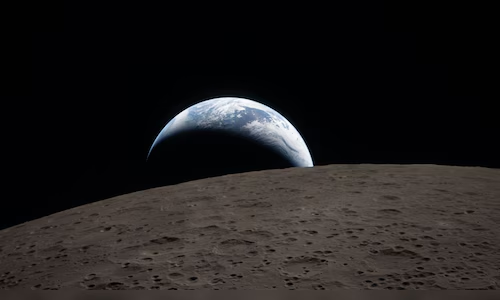
NASA has released rare images from its Artemis II, showing the Moon’s far side, a solar eclipse from space, and a clear view of the Milky Way captured during the crew’s historic lunar flyby.
2 Min Read
 1 / 9
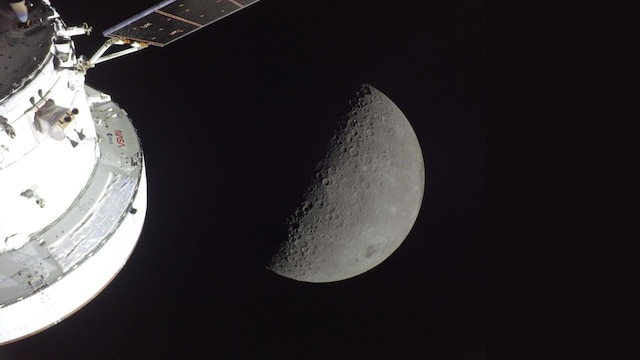
1 / 9NASA on Tuesday, 7 April, released stunning new images from its Artemis II mission, offering rare views of the Moon, Earth and deep space. Captured during a seven-hour journey around the Moon’s far side, these photographs are drawing global attention. (Image: NASA)
 2 / 9
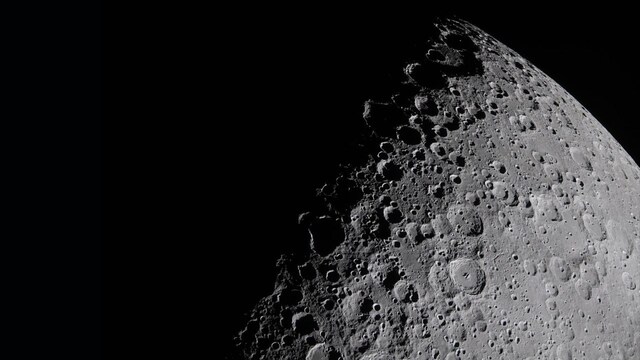
2 / 9First look at the Moon’s far side: Artemis II astronauts captured rare images of regions of the Moon not visible from Earth. These visuals provide scientists with fresh data and a closer view of previously unexplored lunar terrain. (Image: NASA)
 3 / 9
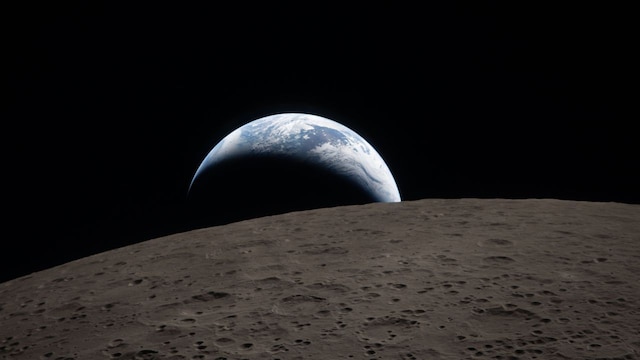
3 / 9‘Earthset’ from lunar orbit: One of the most striking images shows Earth dipping below the Moon’s horizon. Taken from the Orion spacecraft, the moment—known as “Earthset”—offers a new perspective on our planet. (Image: NASA)
 4 / 9
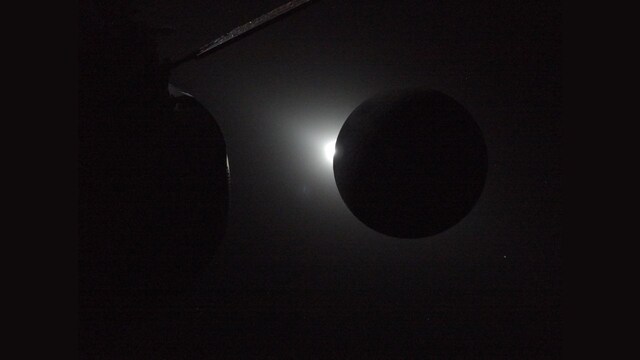
4 / 9Rare solar eclipse seen from space: Astronauts documented an unusual view of a solar eclipse from lunar orbit, where the Moon blocks the Sun. This is a rare sight witnessed by very few people. (Image: NASA)
 5 / 9
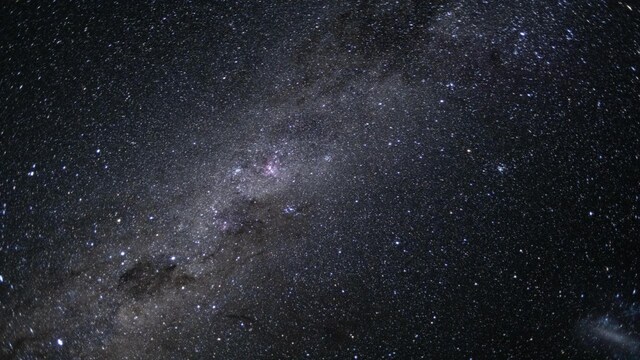
5 / 9A sky full of stars: After completing the lunar flyby, the crew captured a clear image of the Milky Way, revealing a sky densely filled with stars in deep space. (Image: NASA)
 6 / 9
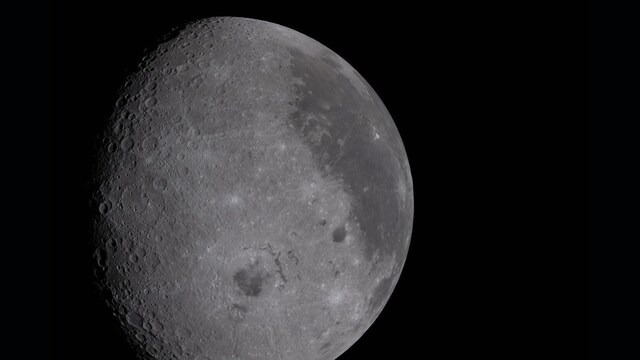
6 / 9Images captured during seven-hour flyby: The photographs were taken on 6 April during a seven-hour journey around the Moon, marking a key phase of the Artemis II mission. (Image: NASA)
 7 / 9
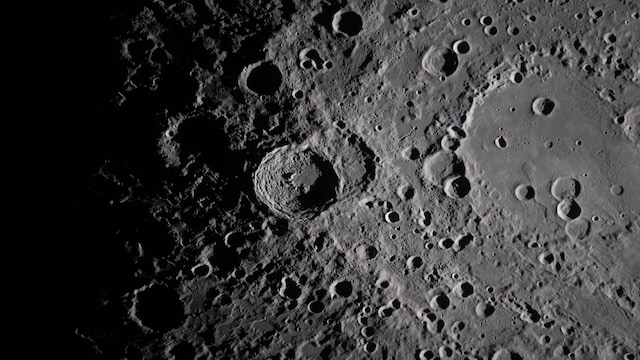
7 / 9Released a day later by NASA: The images were shared publicly on 7 April via official NASA platforms, quickly attracting attention from scientists and space enthusiasts. (Image: NASA)
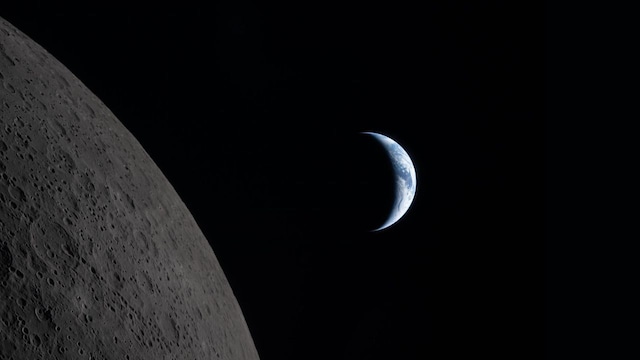 8 / 9
8 / 9NASA calls images ‘historic’: NASA described these as the first flyby images captured by Artemis II astronauts, highlighting views “no human has seen before”. (Image: NASA)
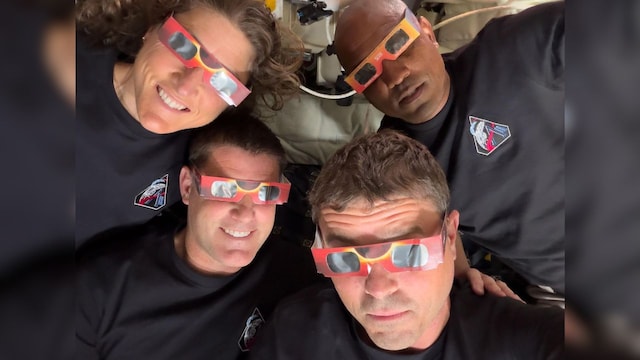 9 / 9
9 / 9Artemis II crew, launch and return timeline: The mission is led by astronauts Reid Wiseman, Victor Glover, Christina Koch and Jeremy Hansen. They lifted off on 1 April from Kennedy Space Centre. NASA said more images will be released as the spacecraft returns to Earth, with splashdown planned near San Diego on 10 April. (Image: NASA)