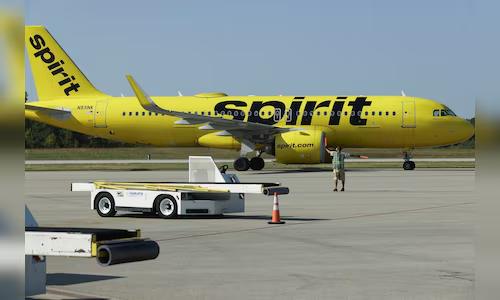
Passengers jetting off on their summer holidays to Europe have been urged to have a backup “plan b and plan c” as fears erupt over the potential jet fuel crisis. An aviation expert has sounded the alarm that “all of Europe is going to be affected” with holidaymakers facing a summer of “chaos”.
“I think it’s going to get worse before it gets any better,” said aviation management expert John Gradek. Speaking on CTV’s Your Morning earlier on April 22, Gradek warned that short-haul flights face being cancelled whilst long-haul flights will be rationed for fuel”. “So it’ll be a little bit of chaos this summer in the EU”, he said.
Gradek, a faculty lecturer at McGill University, believes this is the “biggest crisis the airline industry has had” and warned airlines will start cancelling flights in a matter of weeks.
“We’ve got, you know, five or six weeks of relative peace, but come June, the airlines are going to be scrambling for suppliers and trying to find out where it is that you can in fact get fuel,” Gradek said.
He added: “There’s going to have to be some rationing, some cancellations, some reductions in services that are going to have to be happening sometime around June.”
Passengers travelling abroad this summer should keep an eye on the situation and may be forced to think of alternative arrangements to get to and from their destination.
Gradek said: “I think that if you are planning trips into Europe – and it doesn’t really matter where in Europe, I think all of Europe is going to be affected by this shortage of aviation fuel – that you’re going to be in a situation of making sure you have a plan B and a plan C.
“You may have to, you know, motor it, or you may have to basically look at alternative ways of getting home.”
Triggered by the Iran war and the effective closure of the Strait of Hormuz, oil exports from the Middle East have largely come to a standstill compared with earlier this year, leaving European jet fuel reserves severely reduced.
Roughly 75% of Europe’s jet fuel is sourced from the Middle East, making the region highly dependent on its supply. The fuel crisis could significantly affect supply and may cause prices to rise sharply.