
Two days into the ceasefire declared by the warring parties in the Middle East, the fragile ceasefire appears to be holding, but for Israel’s continuous attacks on Lebanon.
On Wednesday, the first day of the ceasefire, there were isolated cases of drone and missile attacks in Arab countries with no deaths reported. Most of the attacks have since ended by Thursday.
However, Israeli attacks on Lebanon Thursday caused over 250 deaths, according to official figures.
Direct talks are expected to commence in Pakistan on Friday, with US Vice President JD Vance leading the American team and Iranian Foreign Minister Abbas Araghchi leading the Iranian delegation.
Here are some major developments on the crises in the past 24 hours.
The White House Press Secretary, Caroline Leavitt, on Wednesday, described the plan as “unserious, and unacceptable.”
She said the proposal was “literally thrown in the garbage” by Mr Trump and the negotiating team.
She also denied that Mr Trump had initially accepted the plan, describing it as a misrepresentation of his actions.
“Many outlets in this room have falsely reported on that plan as being acceptable to the United States, and that is false,” she said.
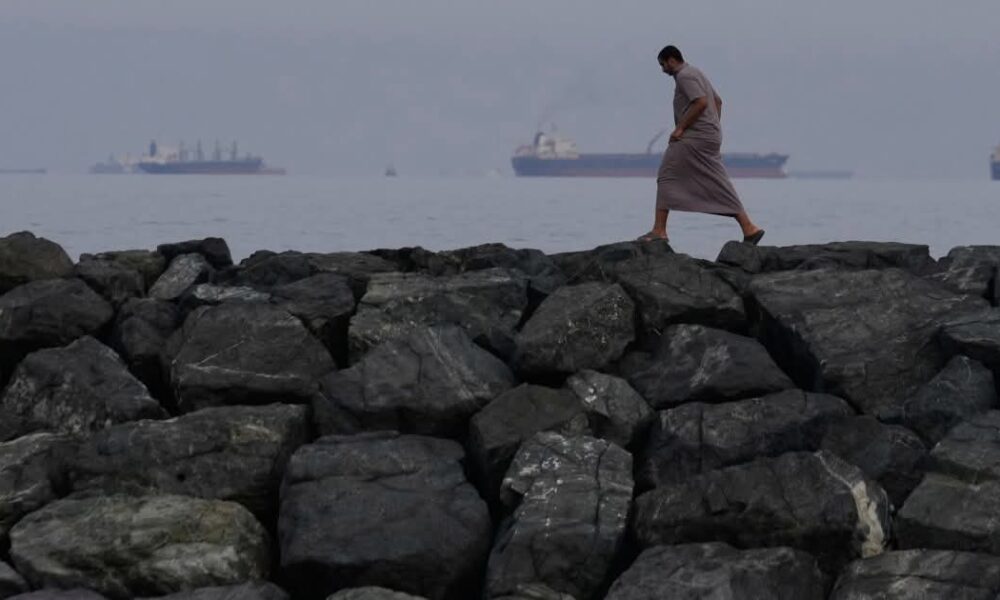
The Iranian army announced a transit route for vessels to avoid sea mines when passing through the Strait of Hormuz.
The country earlier announced that it was opening the Strait for two weeks in compliance with the ceasefire deal it agreed with the US and Israel.
A statement carried by Iran’s ISNA news agency said the IRGC declared that all ships intending to cross the strait, in coordination with the IRGC Navy, must take specific routes.
For entry, vessels should cross the Sea of Oman north of Larak Island, then continue towards the Gulf.
For exit, vessels should move from the Gulf and pass south of Larak Island, and then continue towards the Sea of Oman.