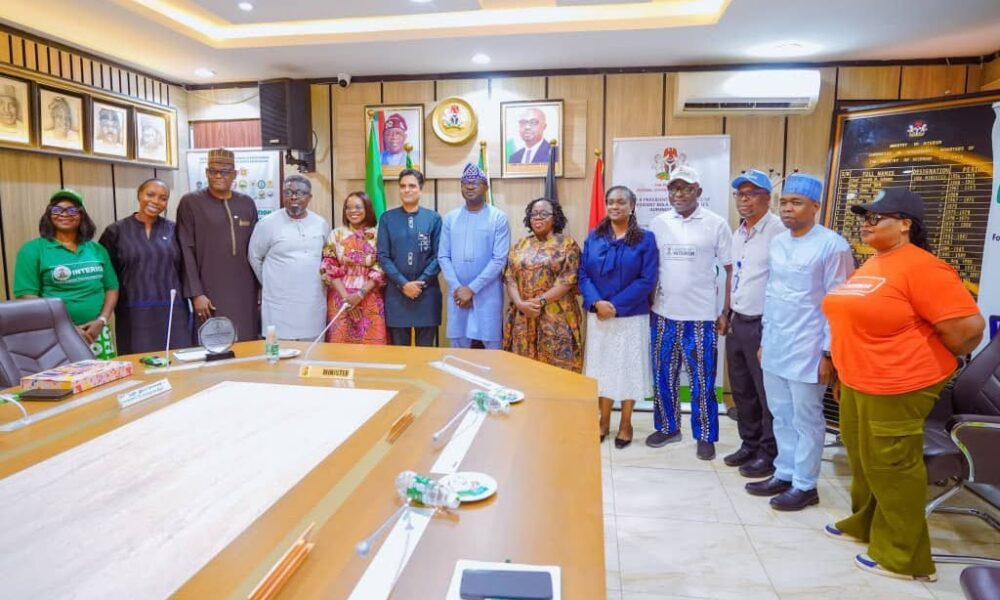
The Nigeria Customs Service on Monday rolled out plans to deploy artificial intelligence to strengthen revenue generation, improve remittances, and reduce audit queries.
This came as the service deepened engagement with lawmakers and fiscal authorities, reshaping its long-standing oversight relationship with the National Assembly.
Speaking at the opening of a three-day training on AI-powered revenue generation, remittance, and reconciliation in Abuja, the Comptroller-General of Customs, Adewale Adeniyi, said the Service was moving from a reactive culture of responding to legislative summons to a proactive partnership with oversight institutions.
He noted that while legislative summons had historically defined interactions between the Service and lawmakers, the new approach was anchored on partnership and shared responsibility.
“We all know that in a presidential system of government, the power to oversee the executive lies squarely with the parliament, and this is exercised through committees such as the Public Accounts Committee in both chambers.
What we have been used to over the years are summons asking us to explain our revenue, our processes, and our operations.
According to him, whether through summons or invitations, the ultimate goal remains the same: ensuring transparency in public accounts and enforcing fiscal discipline.
“These summons are binding under the Constitution, and we have no option but to comply. Sometimes, if you are invited for a particular time and you arrive late, you may even be threatened with enforcement. But today, we are deliberately flipping that narrative.
“It is now the Customs that has invited the distinguished committees to engage with us, and we are glad that they responded enthusiastically. Whether it is by summons or by invitation, the objective remains the same: we are united in ensuring transparency in public accounts, achieving fiscal discipline, and bringing inefficiencies in revenue generation to account,” he said.
In his remarks, Chairman of the House of Representatives Public Accounts Committee, Bamidele Salam, said the engagement reflected a growing maturity in the relationship between the legislature and revenue-generating agencies.
He dismissed the notion that parliamentary oversight was primarily punitive, explaining that its core objective was to strengthen governance and ensure compliance with established laws.