(Photo Credit : Reuters)
 1 / 8
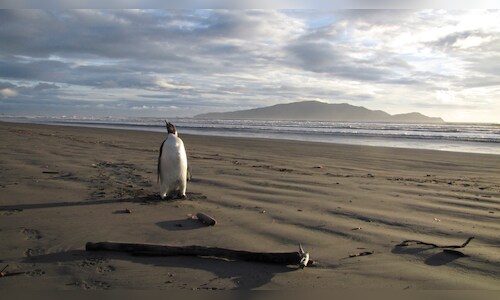
1 / 8Status Change: The International Union for Conservation of Nature has classified emperor penguins as endangered, citing shrinking Antarctic sea ice caused by rising global temperatures. The update, announced Thursday, changes their earlier “near threatened” status and highlights growing risks for species that depend on stable ice conditions to survive.
(Photo Credit : Reuters)
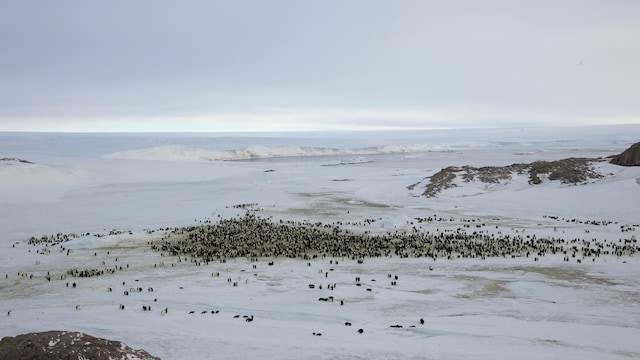
2 / 8Population Decline: IUCN scientists estimate the emperor penguin population could fall by about 50% by the 2080s if current trends continue. Satellite data show the population already declined by around 10% between 2009 and 2018, equal to about 20,000 adult penguins, pointing to ongoing losses linked to changing environmental conditions.
(Photo Credit : Bloomberg)
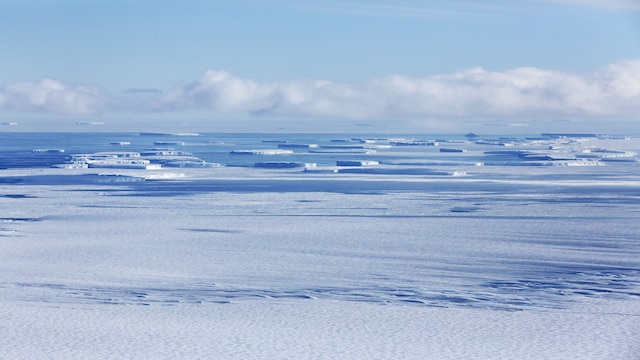
3 / 8Ice Habitat: Emperor penguins depend on sea ice attached to coastlines or the ocean floor for breeding, feeding, and moulting. These ice platforms allow adults to raise chicks and access food. If the ice becomes unstable or disappears, breeding cycles are disrupted and survival rates decline across colonies.
(Photo Credit : AFP)
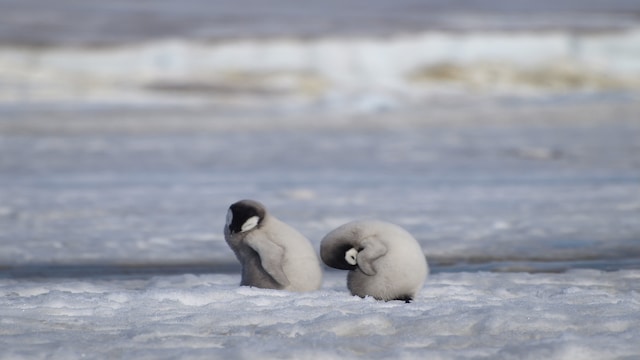
4 / 8Changing Ice: Since 2016, Antarctic sea ice has reached record-low levels and has been breaking up earlier in spring. Early break-up increases the risk that chicks fall into the ocean before they develop waterproof feathers, reducing their chances of survival and affecting colony stability.
(Photo Credit : Reuters)
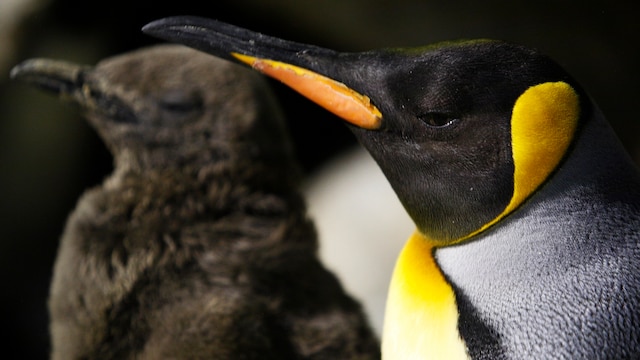
5 / 8Expert View: Philip Trathan of the IUCN Species Survival Commission Penguin Specialist Group said early sea-ice break-up is already affecting colonies across Antarctica. He said further changes in sea-ice conditions will continue to disrupt breeding, feeding, and moulting habitats, increasing long-term risks to the species.
(Photo Credit : Reuters)
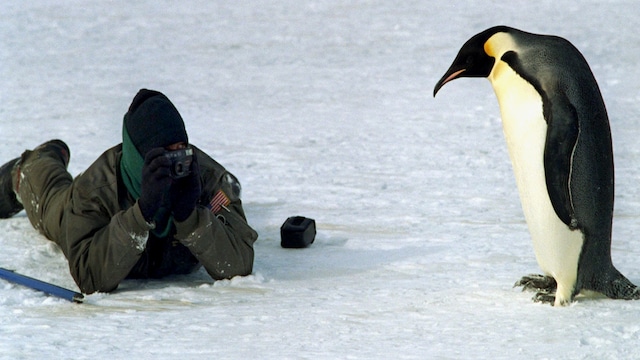
6 / 8Primary Threat: The IUCN concluded that human-induced climate change is the main threat to emperor penguins. Rising temperatures linked to greenhouse gas emissions are reducing the extent and stability of sea ice, placing sustained pressure on species that rely on it.
(Photo Credit : Reuters)
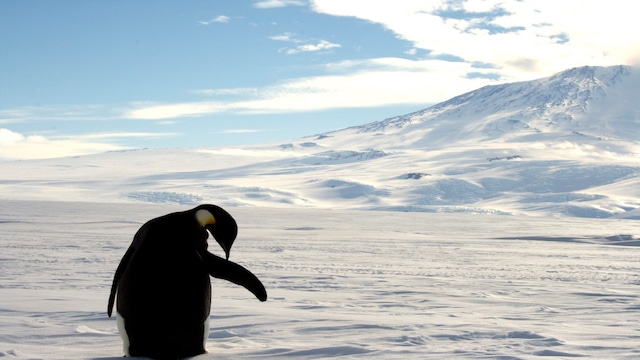
7 / 8Red List Role: The IUCN Red List is a global system that tracks the extinction risk of plants, animals, and fungi. It includes six categories, ranging from least concern to extinct. Emperor penguins are now listed two levels below “extinct in the wild,” indicating a high risk of extinction without effective action.
 8 / 8
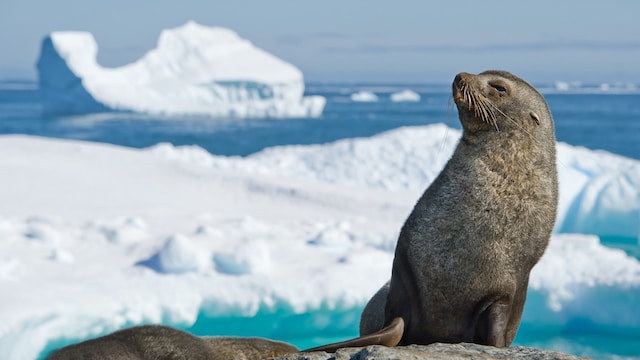
8 / 8Other Species: The update also classifies the Antarctic fur seal as endangered after its population fell by more than 50% between 1999 and 2025. The IUCN said warming oceans are pushing krill, the seals’ main food source, into deeper waters, reducing food availability and affecting survival rates.