By Daniel Oluwatobiloba Popoola
The Presidential Fiscal Policy and Tax Reforms Committee has debunked reports claiming that Taiwo Oyedele admitted errors in Nigeria’s new tax laws, describing the publications as false and misleading.
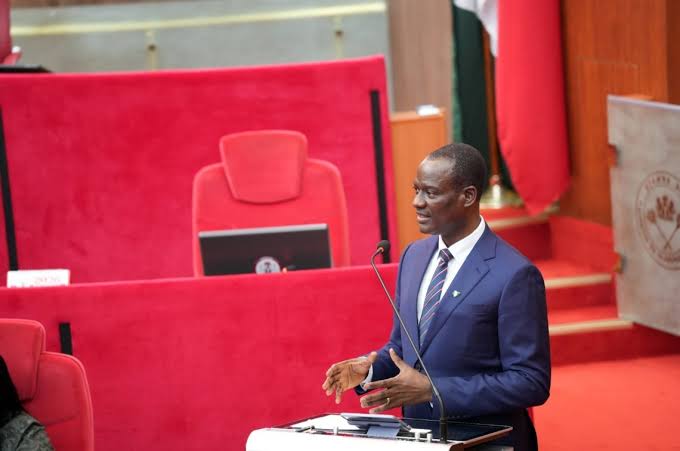
The committee said the remarks credited to Oyedele were distorted, explaining that he spoke during a fireside chat at the NBA Section on Legal Practice Conference in Lagos.
It added that claims he urged Nigerians to await the outcome of a “legislative probe” were inaccurate, noting that the process had since been concluded, while gazetted copies certified by the National Assembly had been published as far back as early January 2026.
The committee further stated that the circulating narrative was “twisted” and capable of distorting public understanding of the reforms.
It warned that such reports could mislead citizens on policies designed to strengthen the country’s tax system.
FG clarified that Oyedele had, in fact, highlighted early gains from the reforms.
Specifically, it noted that thousands of informal businesses now seek registration with the Corporate Affairs Commission daily.
In addition, it said the number of individuals captured in the tax net had increased significantly from fewer than 10 million before the reforms to over 100 million nationwide.
According to the committee, these outcomes reflect the “robust design and progressive nature” of the new tax laws. It listed key provisions to include the exemption of small companies from taxation, increased thresholds for low-income earners, and tax waivers on essential items such as food, education, healthcare, transportation and rent. It also pointed to the introduction of a Tax Ombud to protect taxpayers’ rights.
However, the committee noted that Oyedele acknowledged that no law is perfect. It explained that he emphasised the need for sustained stakeholder engagement to identify gaps and address them through Finance Bills as part of a continuous improvement process.
Furthermore, it contrasted the new framework with what it described as regressive provisions under the old tax regime, stressing that the reforms were designed to promote inclusion and fairness.
The committee, therefore, urged the public to disregard sensational headlines and rely on credible sources for accurate information on tax reforms and other government policies. It reiterated its commitment to transparency and the continuous strengthening of Nigeria’s fiscal system.