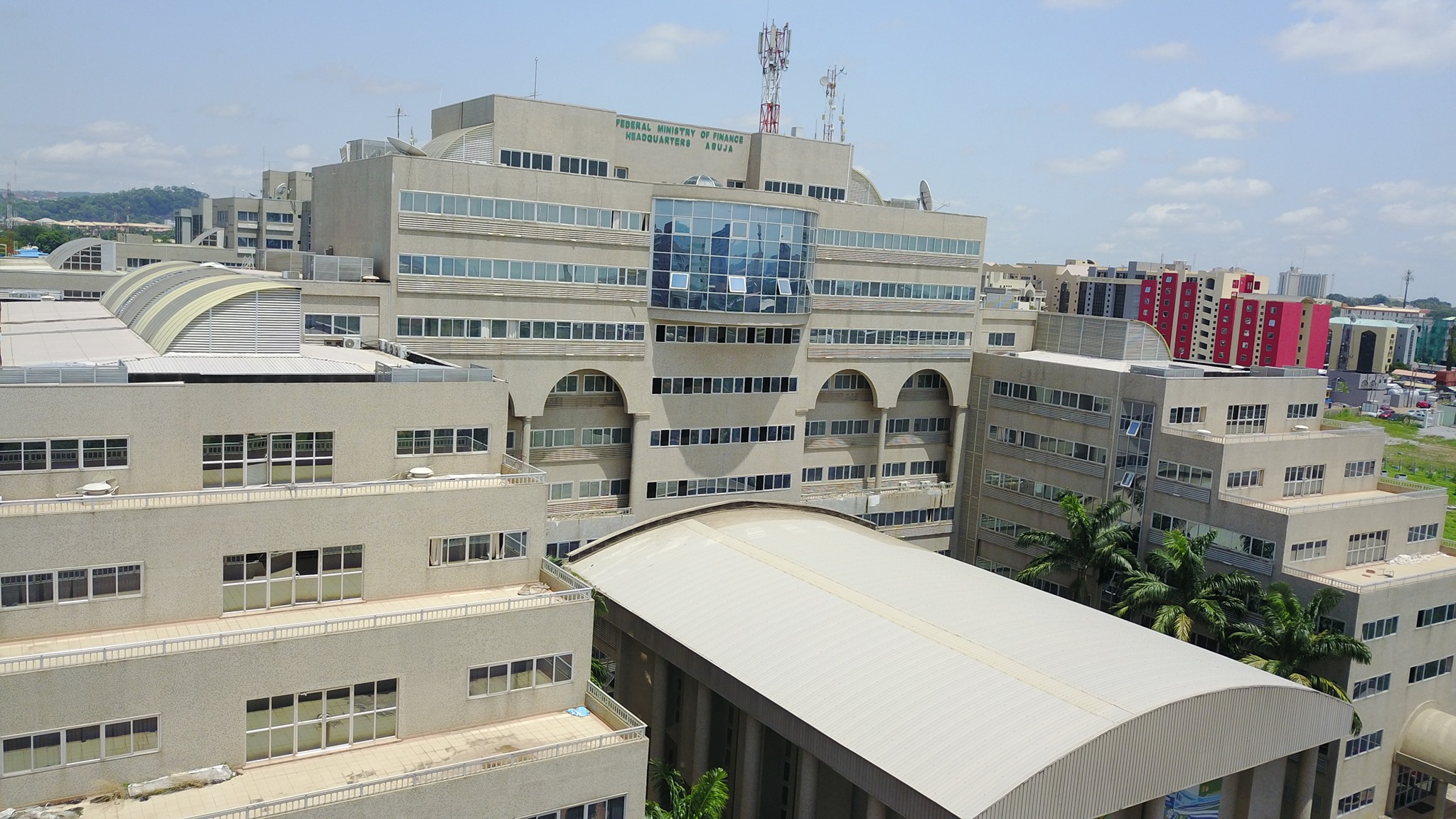
The Finance Ministry says FAAC deductions reflect legitimate fiscal obligations, and ongoing reforms are improving transparency and revenue distribution.
The Federal Ministry of Finance has rejected claims that Nigeria’s federation revenues are being diverted or hidden, describing recent interpretations of a World Bank report as misleading and inaccurate.
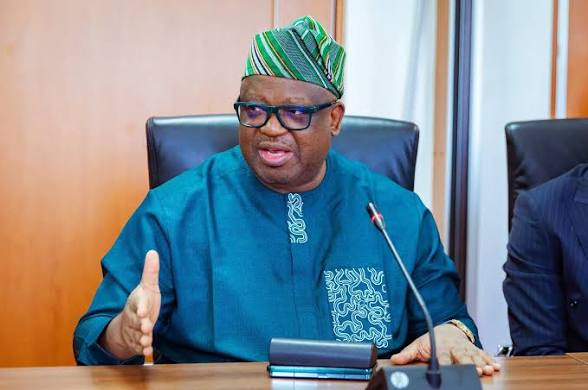
In a statement issued on Sunday, the Minister of State for Finance, Taiwo Oyedele, said media reports suggesting large-scale diversion of funds stem from a misunderstanding of the country’s fiscal structure.
The controversy follows the latest Nigeria Development Update by the World Bank, which some commentators interpreted as indicating “hidden spending” within government finances.
The ministry, however, said such claims misrepresent the report’s findings.
It clarified that deductions from the Federation Account Allocation Committee (FAAC) cited in the report are legitimate components of public finance and not missing funds.
According to the ministry, these deductions include statutory transfers, savings and investments, security-related expenditures, cost-of-collection charges, refunds to Ministries, Departments and Agencies (MDAs), as well as transfers and interventions to states and other tiers of government.
“It is important to emphasise that refunds and transfers to states and other tiers of government are not leakages,” the statement said, noting that such flows are backed by law and reflect existing fiscal obligations.
The ministry also accused some commentators of selectively using outdated data while ignoring recent reforms highlighted in the World Bank report.
It pointed to measures introduced in early 2026, including an Executive Order aimed at improving remittance of petroleum revenues, which the World Bank said could boost distributable revenue by about 0.4 per cent of GDP annually.
The statement added that focusing on isolated aspects of the report without acknowledging ongoing reforms gives a distorted picture of Nigeria’s fiscal position.
Highlighting broader economic trends, the ministry said the World Bank report presents a largely positive outlook, noting improvements in economic growth, external reserves, and debt indicators.
It said inflation, although still high, is gradually declining, while the country’s external position has strengthened with a current account surplus.
“The World Bank does not conclude that Nigeria’s fiscal system is collapsing or that reforms have failed,” the ministry said. “Rather, it states that reforms are working and should be sustained.”
The government reiterated its commitment to improving fiscal transparency, strengthening revenue mobilisation, and ensuring efficient public spending.
It also urged the media and the public to engage responsibly with fiscal information, warning that misinterpretation could undermine confidence in ongoing economic reforms.