The Federal Government has spent no less than N604.8 million on the rehabilitation and reintegration of repentant insurgents under its non-kinetic counterterrorism strategy, sparking fresh debate over accountability and justice for victims of terrorism.
Findings from Govspend, a civic accountability platform, show that the funds were channelled into infrastructure, consultancy services, and statutory tax payments tied to the Operation Safe Corridor programme.
At the centre of the expenditure is a N47.4 million consultancy contract awarded in December 2022 for the supervision and preparation of a bill of quantities for rehabilitation works at the Kirikiri Medium Security Custodial Centre.
Further disbursements reveal that N41.7 million was paid in December 2024 for additional dormitory construction in Mallam Sidi, Gombe State—one of the key facilities used for the deradicalisation and reintegration of former fighters.
The largest chunk of the spending went to a contractor that received multiple payments, including N151.8 million in May 2024 and an earlier N303.7 million in March 2023 as part of phased funding for dormitory construction at the Operation Safe Corridor camp.
Associated tax remittances to the Federal Inland Revenue Service included millions of naira in Value Added Tax and withholding tax linked to the same projects.
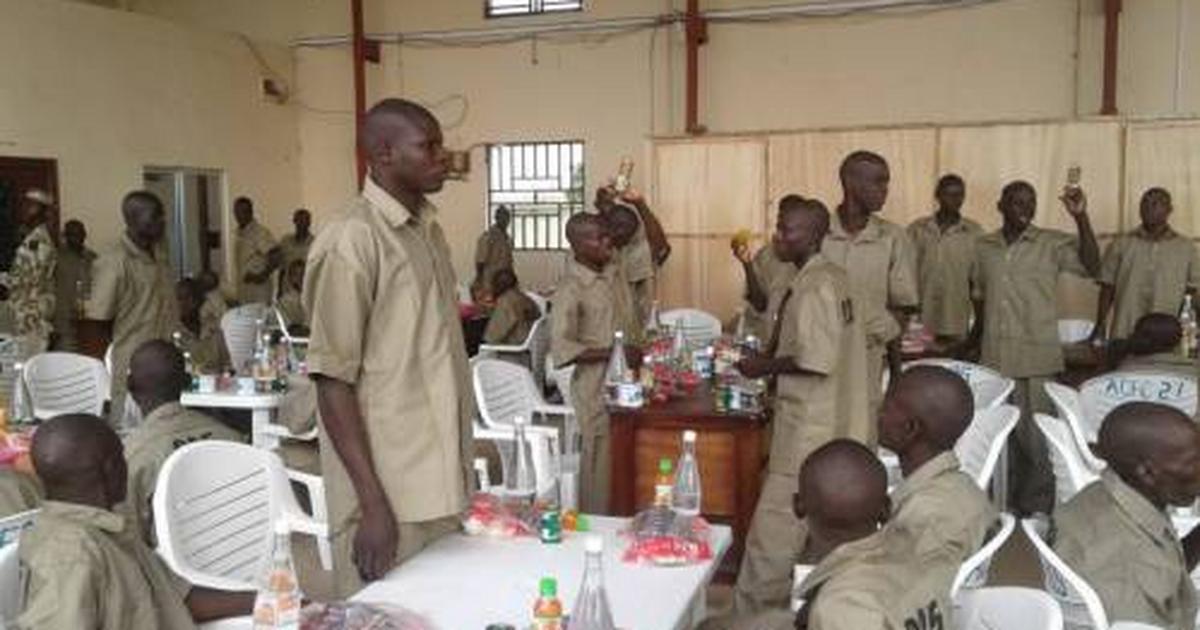
The rehabilitation programme has continued to expand, with official figures indicating that 744 individuals, comprising 736 Nigerians and eight foreign nationals, have undergone deradicalisation. Beneficiaries are spread across several states, with Borno accounting for the highest number.
Defending the initiative, the Chief of Defence Staff described the programme as a critical component of efforts to curb violent extremism, noting that it aims to reduce radical ideology and promote long-term security.
Programme officials also maintained that participants undergo structured rehabilitation, including vocational training, psychosocial support, and religious reorientation, adding that many were forcibly recruited into insurgency.
However, the policy has drawn sharp criticism from opposition figures and civil society groups, who argue that the government appears to prioritise the rehabilitation of perpetrators over justice for victims.
A spokesperson for the African Democratic Congress faulted the approach, warning that treating terrorism with “soft” policies undermines the gravity of the threat and risks emboldening violent actors.
Similarly, a human rights advocate described the programme as a “grave betrayal of justice,” insisting that rehabilitation without accountability could weaken public trust and the rule of law.
He warned that thousands of victims of insurgency remain without compensation or adequate support, stressing that any reintegration effort must be accompanied by clear justice mechanisms and restitution for affected communities.
The controversy comes amid earlier disclosures that over 5,000 repentant Boko Haram fighters have been reintegrated into society, with authorities claiming no cases of recidivism within six months of release.
Despite these assurances, concerns persist over transparency, monitoring, and the long-term implications of Nigeria’s reintegration model, as the financial cost of the programme continues to rise alongside questions about its effectiveness.
FOLLOW US
FOR MORE HERE