A deadly “flesh-eating” bacteria has been found in a series of ponds and bays on a New York island, with experts warning infections can become fatal within hours. Scientists have identified “hotspots” of vibrio vulnificus – a dangerous pathogen known by the Centers for Disease Control and Prevention as flesh-eating bacteria – in multiple sites across Long Island.
The findings were revealed this week by Professor Christopher Gobler of Stony Brook University, who said the bacteria is now present in several specific bodies of water. “Bacteria known as vibrio vulnificus, also known by the CDC as a flesh-eating bacteria, is present and a risk in our waters,” he said. He warned of the speed and severity of infection, adding: “It’s a very, very serious infection, it gets into open wounds – people who are infected with this bacteria have a 20% chance of dying within just 48 hours.”
The bacteria has been detected in Sagaponack Pond, Mecox Bay and Georgica Pond, with Gobler confirming it has now been found in several additional ponds and bays across the region this week.
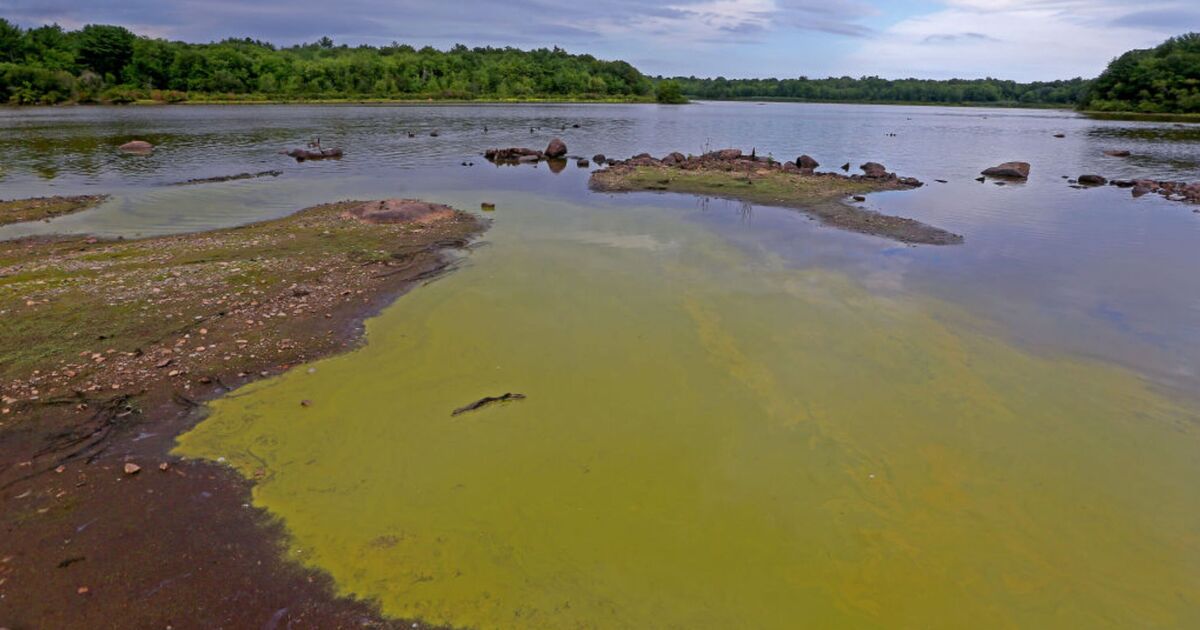
He said the spread is being driven by a combination of nitrogen runoff, algae blooms and climate change, which are rapidly worsening water conditions.
The warning also extends to seafood, with waters in East Quogue, Southold and the western half of Shinnecock Bay contaminated by algae that are pumping shellfish full of a dangerous neurotoxin – believed to be 1,000 times more poisonous than cyanide – posing a growing threat to the area’s oyster industry.
“We’ve had here on Long Island, for example, dogs that have gotten sick and even died just from drinking lake water,” Gobler said.
He urged caution for those most at risk, warning: “If someone’s immunocompromised, or elderly and they have open wounds in summer, you may want to stay out of the water.”
No deaths have been reported on Long Island since three cases in 2023, but Gobler warned the danger is expected to increase as waters continue to warm heading into summer.