 1 / 10
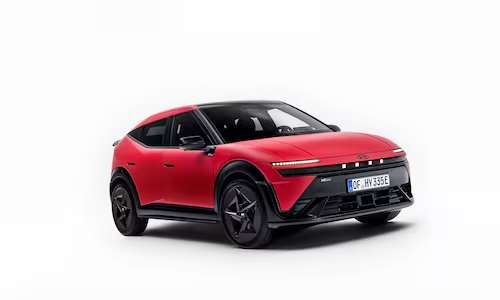
Aero Hatch Debut: Hyundai Motor Company has introduced the Ioniq 3 as a compact electric hatchback built around a new “Aero Hatch” concept. The model combines aerodynamic efficiency with usable cabin space and is aimed at everyday European driving. It is positioned above the Hyundai Inster and below the Hyundai Kona Electric, while targeting stronger efficiency than the Kia EV2.
 2 / 10
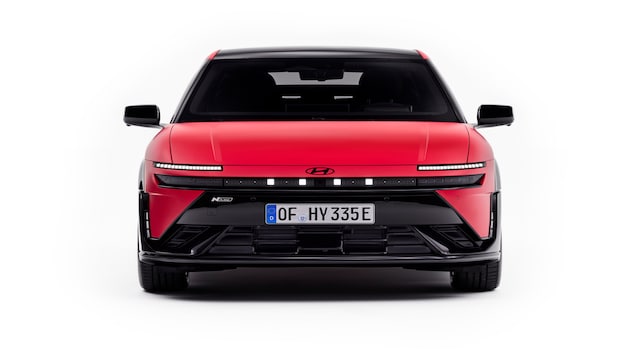
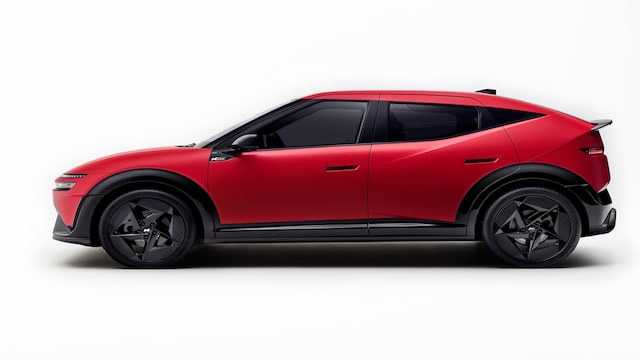
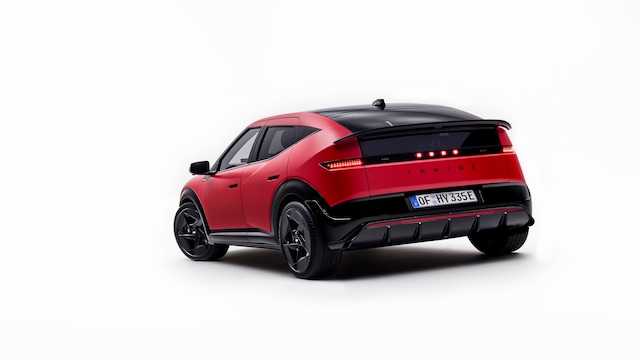
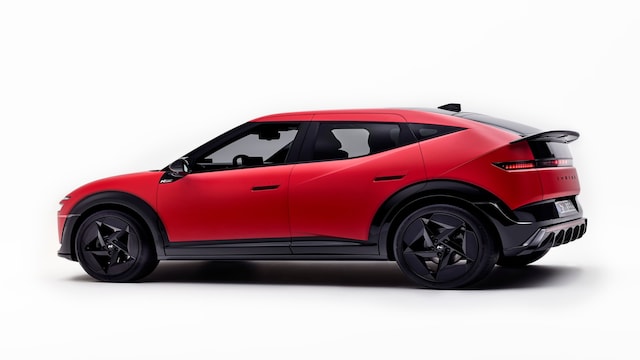
Shape That Changes Space: The Ioniq 3 uses a low front that flows into a straight roofline running across both seating rows before tapering into the rear spoiler. Unlike the EV2’s angular rear, this layout prioritises airflow and interior room. The design increases rear headroom and improves passenger comfort while maintaining a compact footprint and controlled aerodynamic profile.
 3 / 10
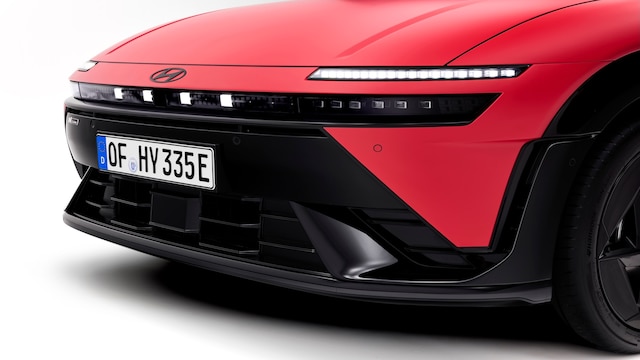
Design Code Explained: Hyundai applies its ‘Art of Steel’ design philosophy to the Ioniq 3, shaping the body into a few clear volumes inspired by metal surfaces. Pixel lighting defines the exterior, with four-dot elements referencing the letter “H” in Morse code. These lighting details act as a visual identity marker and replace conventional logo emphasis across the vehicle.
 4 / 10
Built In Europe: The Ioniq 3 was developed mainly at Hyundai’s centre in Rüsselsheim, Germany. It is based on the E-GMP platform using a 400-volt architecture and will be produced in Europe at the Izmit plant. This setup aligns the car with other Hyundai and Kia electric models while adapting it to regional requirements and production networks.
 5 / 10
Two Battery Options: The model is offered with two battery sizes: 42.2 kWh for Standard Range and 61 kWh for Long Range. The Standard Range version uses a 108 kW motor, while the Long Range version delivers slightly lower output. Both variants are front-wheel drive and reach a top speed of 170 km/h, reflecting shared engineering with related models.
 6 / 10
Fast Charging Details: Charging capability is identical across both versions, with DC peak charging of 119 kW for Standard Range and 110 kW for Long Range. Charging from 10 to 80 percent takes about 29 to 30 minutes. An optional 22 kW onboard AC charger is available, supporting different charging setups for home and public infrastructure.
 7 / 10
Range That Stands Out: Aerodynamic improvements allow the Ioniq 3 to exceed the EV2 in driving range. It delivers about 344 km in Standard Range and up to 496 km in Long Range under WLTP testing. This places it near the upper end of its segment, offering close to 500 km in a compact car measuring just over four metres.
 8 / 10
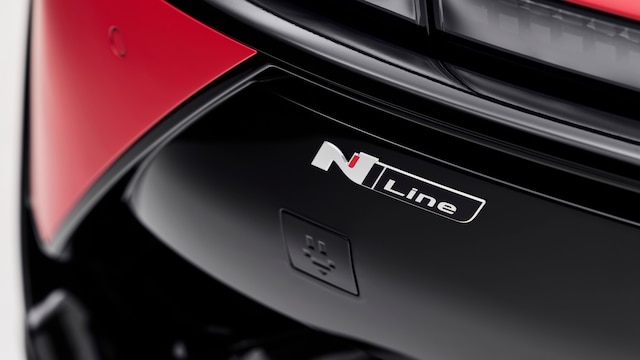
Bigger Than It Looks: The Ioniq 3 measures 4.15 metres in length, extending to 4.17 metres in the N Line variant. It shares a width of 1.80 metres with the EV2 but is lower at 1.50 metres. The wheelbase stretches to 2.68 metres, approaching that of the Volkswagen ID.3, contributing to improved interior space and stability.
 9 / 10
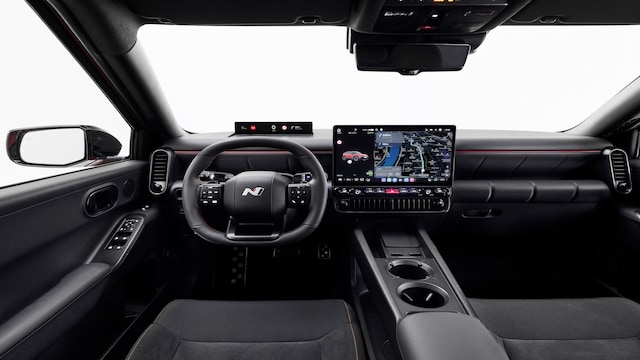
Cabin Gets Tech Boost: Inside, the car uses a flat-floor layout and offers seating for five. A central touchscreen of 12.9 or 14.6 inches handles most functions, while a separate driver display remains behind the steering wheel. The system runs on Android Automotive OS under Hyundai’s ‘Pleos Connect’ platform, marking its debut in a European Hyundai vehicle.
 10 / 10
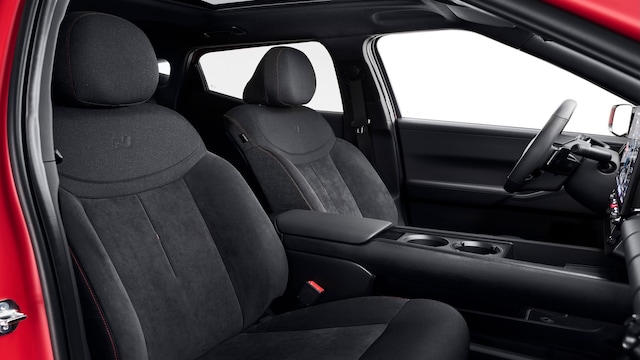
Features And Positioning: The system supports Digital Key 2, Plug & Charge, route planning, and Vehicle-to-Load functionality. Interior features include USB-C ports, a MagSafe holder, and optional comfort equipment such as ventilated and relaxation seats. Driver assistance includes Highway Assist 2.0 and parking functions. Pricing is not yet announced, but the model is expected to compete with vehicles like the Renault 4 and Ford Puma Gen-E.