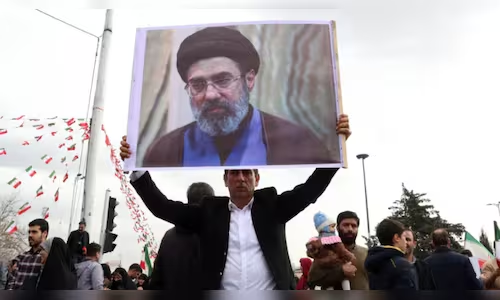
Khamenei is operating under strict security protocols and is largely inaccessible to officials, the report added. His communication is being conducted through handwritten letters delivered via a network of trusted couriers, according to the NYT.
These messages reportedly travel through indirect routes before reaching recipients, with replies sent back in the same manner.
The report further noted that even high-ranking officials are avoiding direct contact due to fears of targeted attacks.
Iran’s President, Masoud Pezeshkian, a trained heart surgeon, is said to be involved in supervising Khamenei’s medical treatment.
Also Read: Iran US War Live UpdatesInjuries restrict leadership role
Khamenei sustained severe injuries, including facial burns and limb damage, requiring multiple surgeries and ongoing treatment, NYT reported citing officials.
While he is described as mentally alert, his physical condition has limited his ability to communicate and exercise centralised authority.
IRGC emerges as Iran’s decision-making core
In the absence of active leadership, senior commanders of the Islamic Revolutionary Guard Corps (IRGC) are now steering major strategic and political decisions. Analysts and former officials told NYT that this structure resembles a “board of generals” managing governance and military strategy.
Khamenei is operating more like a “director of the board,” with decisions often being finalised by military leaders before being presented to him, said Mahmoud Ahmadinejad, a former adviser to ex-president, as per the report.
Shift from centralised authority
Observers note that the current arrangement marks a departure from the centralised control exercised by his predecessor and his father Ayatollah Ali Khamenei.
Also Read: India planning to divest stakes in Iran’s Chabahar Port, says report
Internal disagreements reportedly persist, particularly over engagement with the United States, though military leadership appears to be dominant in shaping outcomes.