3 min readUpdated: Apr 25, 2026 09:05 PM IST
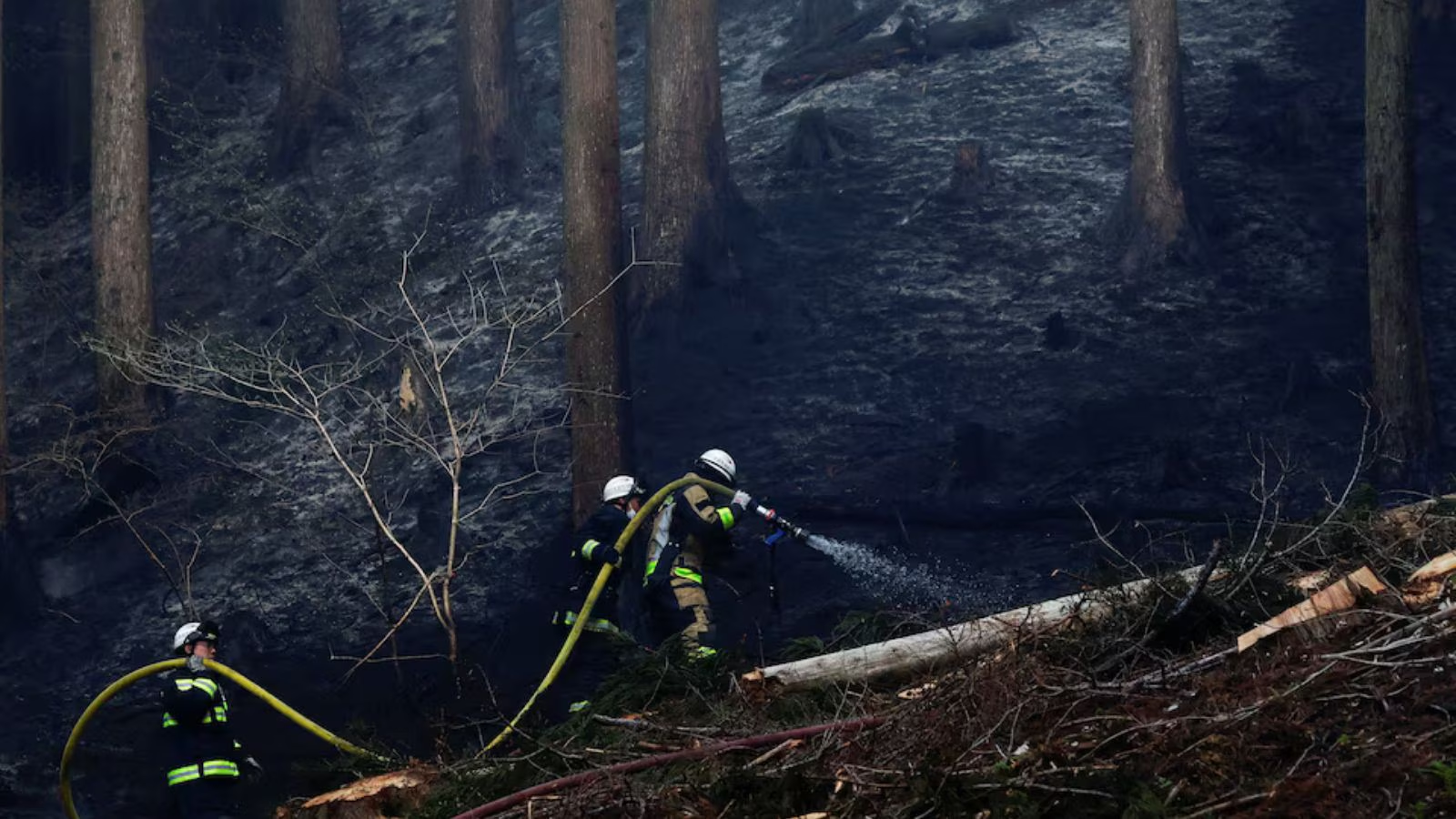
More than 1,000 firefighters are reportedly struggling to contain two rapidly moving wildfires in northern Japan, as flames edge closer to residential areas and force over 3,000 people to evacuate from the town of Otsuchi, reported news agency Reuters.
The fires, which broke out earlier this week in mountainous terrain in Iwate Prefecture, have burned through around 730 hectares, making it one of the largest wildfire events recorded in the country. Evacuation orders now cover 1,541 households, roughly a third of the town’s population.
Difficult conditions, including dry weather, strong winds and hilly terrain, have hampered containment efforts. Fire crews on the ground are being supported by helicopters from multiple prefectures and Japan’s Self-Defense Forces, which are carrying out aerial water drops.
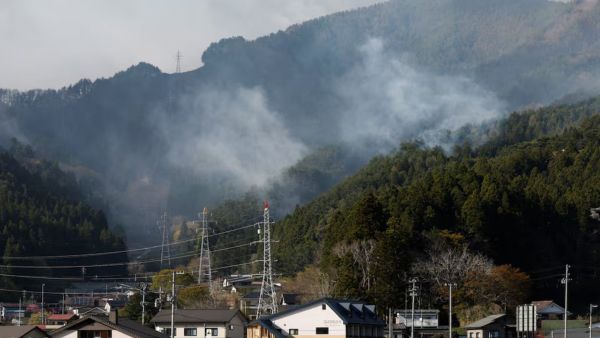 Smoke blankets mountainous areas as wildfires continue in Otsuchi, Iwate Prefecture, Japan, April 25, 2026. (Photo Credit: REUTERS)
Volunteer firefighter Masashi Kikuchi told Reuters, “With the land so dry, fires keep igniting. We put one out, then race to extinguish another, over and over again”, describing the relentless conditions fueled by unusually dry land.
Residents, many still carrying memories of the devastating 2011 Tōhoku earthquake and tsunami, have been forced to flee once again. “Even during the tsunami, this area didn’t burn,” said 76-year-old evacuee Taeko Kajiki, as cited by Reuters, who spent the night watching flames approach her home before leaving with essential belongings and her pet turtle.
So far, at least eight buildings have been damaged or destroyed, though no injuries or deaths have been reported.
Mayor Kozo Hirano said authorities are working to prevent further loss. “I can’t let people lose their homes again,” he said, as were lost during the tsunami, adding that additional support services like ‘hot baths’ would be seeked for evacuees.
Story continues below this ad
Wildfires remain relatively rare in Japan, but experts warn they are becoming more frequent due to climate change. Prolonged dry spells and strong spring winds, before the onset of the rainy season, are increasingly creating conditions for fires to spread rapidly.
The Japan Meteorological Agency has forecast continued dry weather in the region, raising concerns that firefighting efforts may face further challenges in the days ahead.
Stay updated with the latest – Click here to follow us on Instagram
© IE Online Media Services Pvt Ltd