Many Nigerians believe that persons with disabilities are incapable of achieving a fulfilling life, frequently associating disability with penury, cognitive deficit and indigence, the advocate said.
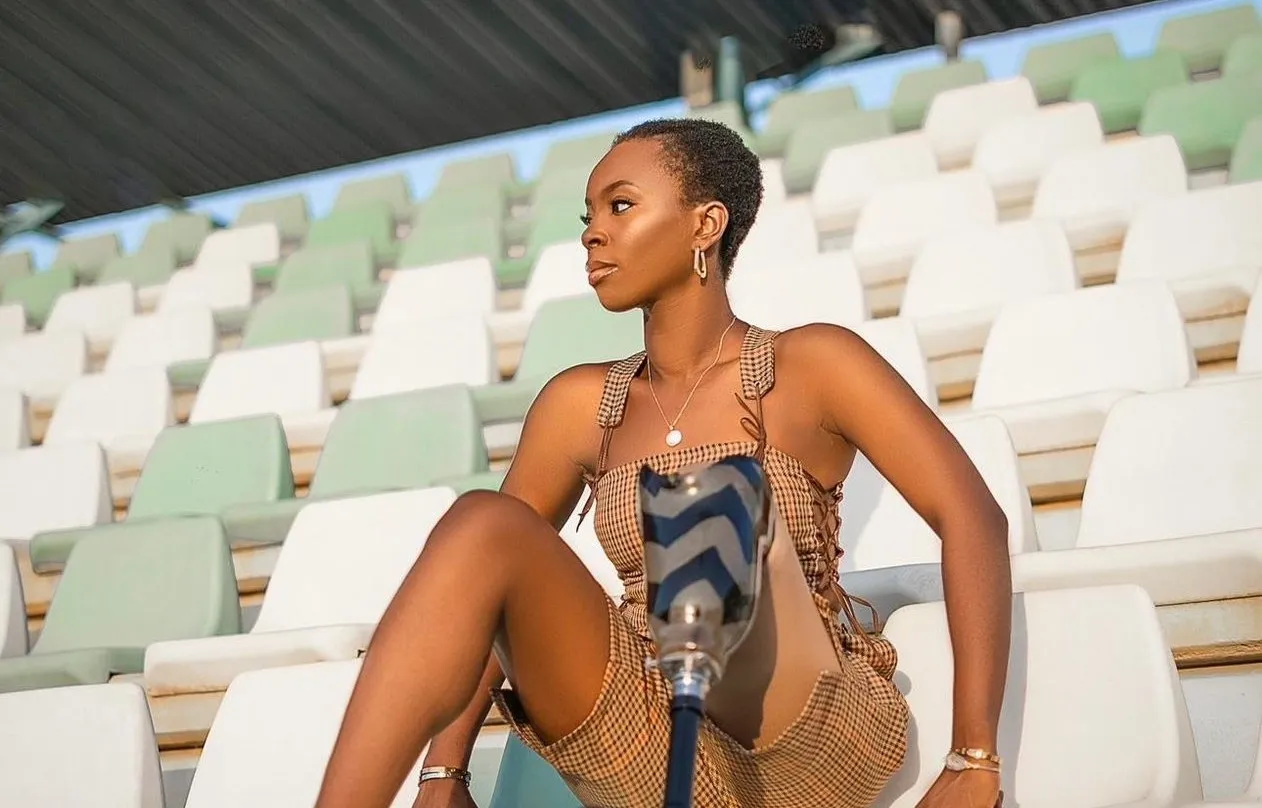
Eva Chukwunelo is a creative and inclusion advocate who champions disability rights and inclusion, a commitment rooted in her personal experience of losing a limb at age 17 due to osteomyelitis (severe bone infection).
In a recent discussion, she shared her journey of accepting her limb loss, highlighting the importance of self-acceptance (“stop hiding”), community involvement, and serving others.
Ms Chukwunelo is a firm believer that the conversation around disability must move beyond specialised “disability spaces” and become a natural, essential part of every major discussion across all sectors, including technology, green energy, fintech, and leadership platforms. She stresses that support for disability inclusion must evolve from mere goodwill to concrete, measurable actions.
PT: You have spoken about facing societal pressure and stigma after losing your limb. How did you navigate those challenges, and what advice would you give to others facing similar situations?
Ms Chukwunelo: I didn’t know anything about discrimination until I entered the university, which was a year after my amputation. So, the first thing I did was learn to accept that my reality is life with a missing limb, so I stopped hiding. For context, I wore long gowns, socks, and a headtie to cover the silhouette of my prosthetic beneath my clothing.
So I decided to start wearing short outfits that show my legs, which gave me room to be my most authentic self.
Another thing I did was find a community of people with similar experiences and interests. So, I was part of the amputee coalition of models, and then I joined YALI Abuja to volunteer and serve the community. So first step: heal. Second: find a community. Third: Serve.
PT: What can ordinary Nigerians do to support disability inclusion and create a more accessible society?
Ms Chukwunelo: So, the first step to inclusion is our attitude to difference. Being kind is instrumental in disability inclusion, but it should translate into tangible actions. As an average Nigerian, if you are an employer of labour, you can create slots for persons with disabilities to be a part of your organisation. For instance, I have a friend who works in the bank, and she says some of her customers who come with their kids are filled with awe because their kids won’t stop talking about the banker with an iron leg. It doesn’t scare; it draws people in.
Whatever space you’re in, sports, entrepreneurship, education, STEM, etc. There are people with disabilities who are willing to learn these skills to be productive or who already have the skills to work. Create spaces for these people.
Being kind is great, but creating opportunities so we can all thrive together is sustainable. And it makes people with disabilities less dependent on others for their livelihood.
PT: As a disability rights advocate, what do you believe is the biggest misconception about disability in Nigeria, and how can we address it?
Ms Chukwunelo: The biggest misconception about people with disabilities is that they cannot live a full life. The reason is that some people with disabilities are believed to survive through begging. When you say someone has a disability, the default image the majority of Nigerians have is someone malnourished, begging, unkempt and unintelligent, but that is the contrary, or better still, it’s one part of the spectrum. There are other beautiful realities to persons with disabilities which people are unable to experience because of that mindset barrier.
Addressing it can only be done through awareness and advocacy, and for me, it’s through the images I put out there and how I actually appear in real life. I try to live my best life, read books, speak about ideas that tick my interest, dress stylishly without hiding my disability, which is part of my identity. It’s more like a visual rebellion.
I believe that if we can influence people’s minds through visuals (songs, pictures, films, fashion), we can change how people perceive disabled bodies. Once the mind is influenced, we have people who can intentionally make policies that carry everyone along.
Change starts with the mind, so that we can start with the mind. How do you think, and what do you think about when you see a body different from yours?
PT: What role do you think technology can play in promoting disability inclusion in Nigeria, and how can we harness it effectively?
Ms Chukwunelo: Technology is the bridge we need. As a prosthetic limb user, I have experienced this firsthand; the technology behind my prosthetic gave me back my mobility. It’s not the same as a biological leg, but it returns something essential: the ability to move through the world on my own terms.
Assistive technology does this across multiple forms of disability. A friend of mine uses a cochlear implant to hear. Others rely on braille displays and screen readers. With artificial intelligence, we have voice navigation and adaptive tools that respond to different access needs. These aren’t extras. They are tools that ensure equality.
Beyond assistive tech, digital technology creates opportunities for economic independence for disabled people, such as remote work, entrepreneurship, and even content creation.
So, to harness this, we have to close the digital divide. There is a significant gap in digital literacy between persons with and without disabilities in Nigeria, and that gap enables exclusion.
PT: I have heard you speak about the importance of representation and visibility. How can we ensure greater diversity in the representation of people with disabilities in media and public spaces?
Ms Chukwunelo: People don’t know how to relate to things they aren’t familiar with. When we’re making ads, or writing scripts, or even casting a movie, there is a need to put in people with disabilities in these movies. For instance, the movie Bridgerton explores the possibility of interracial relationships to address racism, and it depicts the Queen making national decisions to challenge sexism. It deals with the issue of homophobia through the roles actors have, and recently, it cast an actress with an actual disability and doesn’t hide it to handle the issues of ableism and discrimination. When people see a representation of themselves in spaces or platforms, they already imagine themselves as inaccessible because of their disability, which gives them hope to dream and a sense of urgency to work harder.
There are artists with diabetes; invite them to perform at your art events. There are models with disabilities; let them model your outfits, because disabled people don’t wear leaves. When you are casting for a movie, cast a person with a disability to play non-inspirational roles.
Finally, to avoid tokenism, ensure two things: that the persons with disabilities you are giving a chance either have the ability to do the work or that they are willing to learn to do the work. Don’t bring them into a space just for them to become matter.
PT: Your “Body as Canvas” movement explores disability as a part of identity. Can you tell us more about this concept and its significance?
Ms Chukwunelo: So I have been a person with a disability for 13 years, this year will make it 14, and when I speak to most persons with disabilities, a thing I get from them is the issue of representation; ‘how they never see a glimpse of hope from someone who has gone ahead of them to act as a model’. And it is a gap we don’t really try to fill. Where are the stories of persons with disabilities who actually added to national impact or community impact? What is history saying about them? The body as canvas for me is like a movement that aims at archiving the lived experiences of persons with disabilities, showing their humanity, how frail and how powerful they can be.
I saw what storytelling did for the people of Immokalee in Florida, through pictures and a documentary, where ordinary people who are part of the people upholding the Immokalee community were brought to light, people that you might never know. I was also at the Bakers Museum to witness the “As we rise” picture exhibition, which featured stories from the Black Atlantic. I saw pictures and stories of even Nigerian photographers on the walls in Naples, Florida. It shows you how stories give us the ability to live after we are gone, and that’s what we don’t have as a disability community. The body as canvas is a long-term vision, a story that has the power to outlive me, but keep the stories of those who have gone alive; that’s the whole idea behind it.
PT: You have been recognised for your advocacy work, including speaking at TEDx. What was that experience like, and what message do you hope global leaders take away?
Ms Chukwunelo: Sincerely, it felt heavy and overwhelming for me, because all the recognition came from outside the motherland. Speaking as a UN youth representative at the UN headquarters felt heavy because I was speaking for every disabled woman representing Africa. Speaking at TEDx felt surreal because I was one of the nine Africans selected by the TEDx global team to share their ideas, and that allowed me to speak about the ‘Body as a Canvas.’
Global leaders should not only listen to the voices of persons with disabilities but also have them present in rooms where the tough decisions are made.