3 min readApr 7, 2026 09:31 AM IST
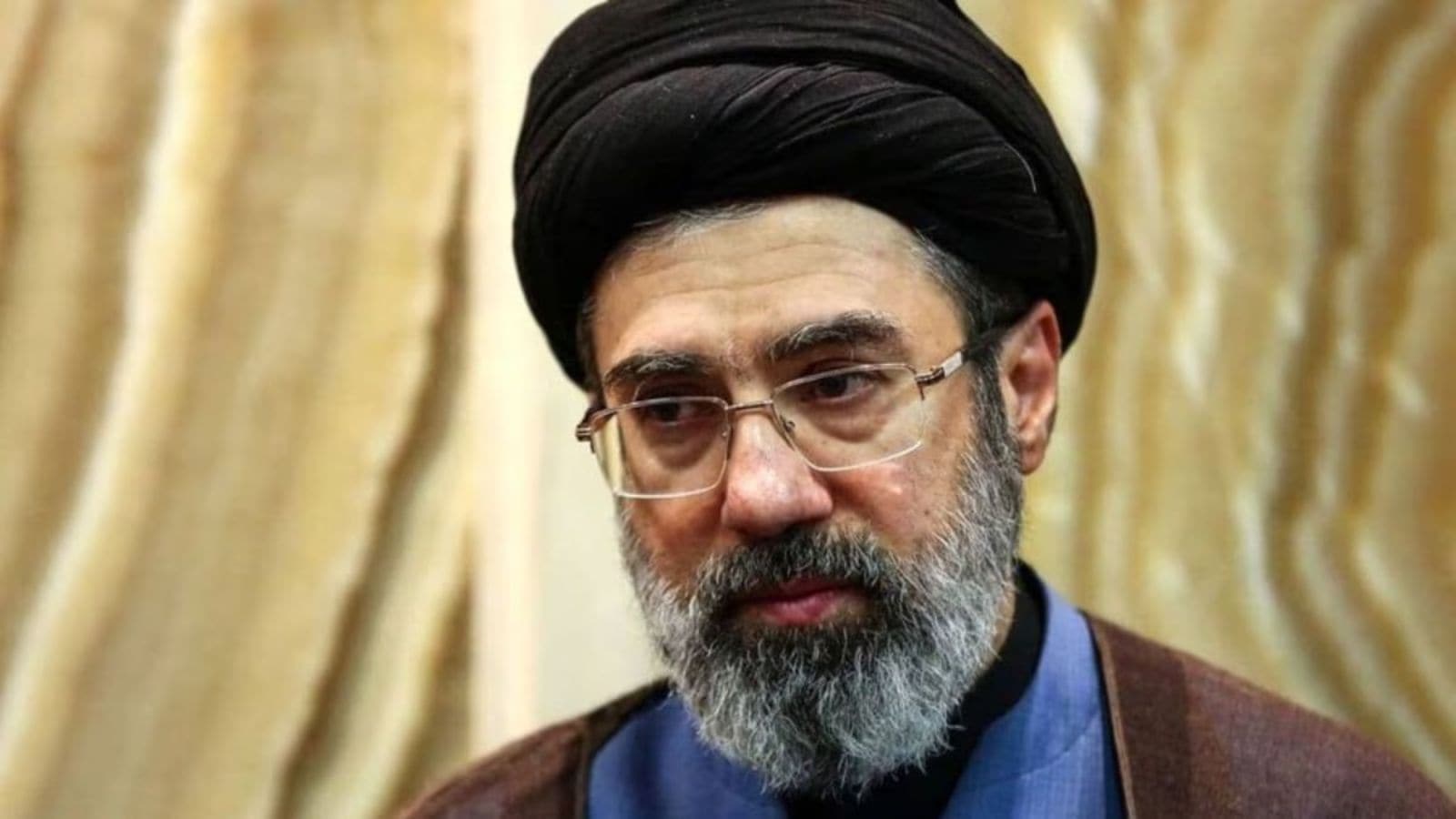
Iran’s newly appointed supreme leader, Mojtaba Khamenei, is reportedly incapacitated and undergoing treatment in Qom, reported UK-based news website The Times.
The website cited an intelligence assessment that suggested he is unable to govern. Earlier, Iran International had reported the Iran’s Islamic Revolutionary Guard Corps (IRGC) had taken de facto control of the Iran government.
A diplomatic memo, said to draw on US and Israeli intelligence and circulated among Gulf allies, claims that Khamenei – son of the late long-time leader Ali Khamenei – is unconscious and being treated for a “severe” medical condition.
The document, accessed by The Times, identifies his location for the first time. Qom, located about 87 miles south of Tehran, is regarded as a key religious centre in Shia Islam.
Memo claims ‘Khamenei unable to take regime decsions’
The memo states that “Mojtaba Khamenei is being treated in Qom in a severe condition, unable to be involved in any decision making by the regime”.
It also indicates that preparations are underway in Qom for the burial of Ali Khamenei, describing efforts to lay the groundwork for a large mausoleum. The reference to “more than one grave” has raised the possibility that other family members – and potentially Mojtaba himself – could be buried at the site.
While US and Israeli intelligence agencies are believed to have known of Mojtaba Khamenei’s location for some time, this information had not previously been disclosed publicly.
Story continues below this ad
The US National Security Agency and Iran’s diplomatic representation in Washington, which operates from the Pakistani embassy, have both been approached regarding the memo.
According to The New York Times, Iranian officials had confirmed that Mojtaba Khamenei was injured in the legs in the same airstrike that killed his father, along with his mother, his wife Zahra Haddad-Adel, and one of his sons, on the opening day of the conflict.
He has not been seen or heard from since the war began, despite being named his father’s successor in early March.
Since then, only statements attributed to the 56-year-old Ayotollah aired by Iranian media are doing the rounds. The absence of any verified audio recording has added to speculation about his condition.
Story continues below this ad
Pezeshkian not allowed to meet Khameini
Although Iranian officials maintain that the new Supreme Leader remains in control, earlier reports have hinted at health concerns. Opposition groups have said he is in a coma, while others claim he sustained facial injuries and a broken leg.
President Masoud Pezeshkian has also reportedly been prevented from meeting the Supreme Leader. Moreover, his decisions on governance and key appointments are reportedly being overturned by the IRGC.
Khamenei’s reported condition has, thus, raised questions about his authority in Iran’s system where the supreme leader holds ultimate political and religious power. It has also fuelled speculation that the Islamic Revolutionary Guard Corps may be exercising effective control, with Khamenei serving as a figurehead.
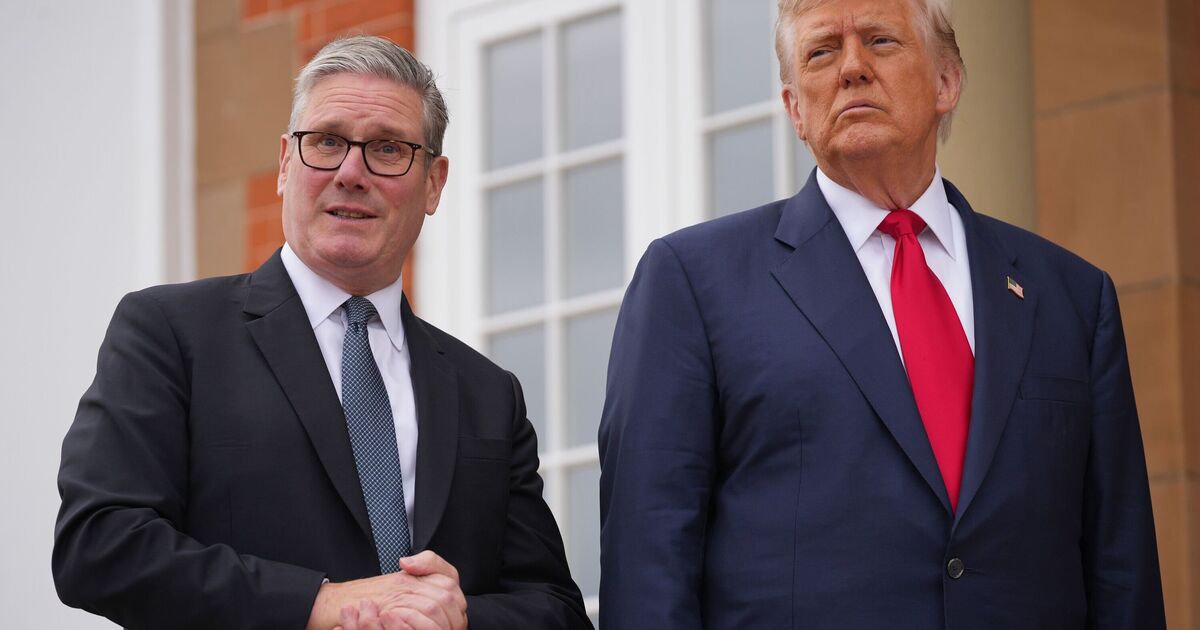
US President Donald Trump has said he is in talks with other Iranian officials, but noted that he is not engaging directly with the Supreme Leader. Although, Iran has consistently refuted the claim.
Stay updated with the latest – Click here to follow us on Instagram
© IE Online Media Services Pvt Ltd