The Everest corridor sees thousands of foreign trekkers each year, and emergency evacuations are routine in a high-risk environment.
How the Everest trekking scam allegedly worked
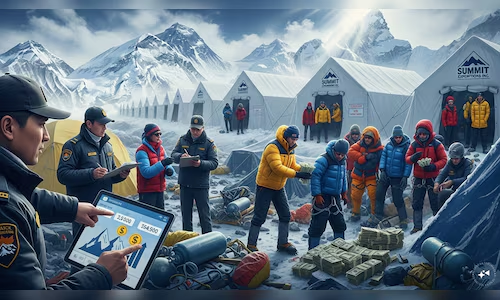
According to a report in The Times of India, investigators say some guides interfered with food during treks. Substances such as baking soda were reportedly added to induce vomiting, nausea and weakness – symptoms that can resemble altitude sickness.
Once the symptoms started to show, trekkers were urged to accept immediate helicopter evacuation. In several instances, officials say, the urgency was framed as life-saving.
Patients were then taken to partner clinics or hospitals. Authorities allege that the diagnoses were overstated or fabricated, followed by treatment plans that were unnecessary or inflated.
Fake documents and $20M insurance payouts
At the centre of the case is documentation. Police say medical reports were falsified to justify evacuations. Flight logs and invoices were also altered or falsely created to support these claims, TOI reported.
Those files were used to seek rapid reimbursement from insurers. Investigators estimate the network generated about $19.69 million. A senior official described the operation as very organised – with roles distributed across the chain.
Who are the 32 accused in the Nepal fraud case
Those accused in the scam include:
- Trekking agency owners
- Guides
- Helicopter operators
- And the medical staff
Charges have been filed under organised crime and fraud provisions. Court proceedings are expected to follow.
Why are Everest helicopter rescues easy to exploit
Helicopter evacuations in the Everest region are often the only option in emergencies. They are also expensive – typically costing thousands of dollars and frequently covered by travel insurance, per TOI reports.
Decisions are made quickly. Verification can lag. That mix – high cost, limited time – reduces scrutiny and creates openings for abuse, according to investigators.
Impact on trekkers and Nepal’s tourism industry
The case has prompted concern among trekkers about the reliability of on-ground medical advice. Some operators fear reputational damage as scrutiny continues to grow.
Tourism is a key revenue source for Nepal. Any drop in confidence could affect bookings and local livelihoods, even as most operators continue to follow standard protocols.
Authorities say the investigation is ongoing, with the possibility of additional complainants and recovery actions by insurers. Further regulatory changes are also under review.