The Federal Government has said it has no immediate plans to approach the International Monetary Fund for financial support, despite Nigeria’s rising debt profile and growing global economic uncertainties.
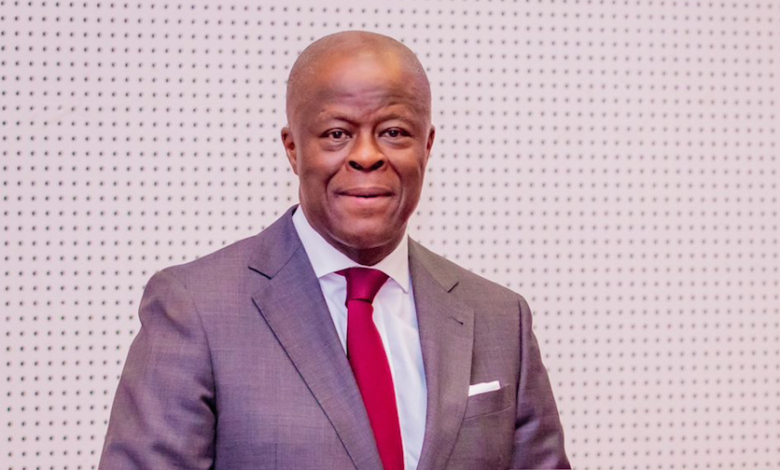
Minister of Finance and Coordinating Minister of the Economy, Wale Edun, disclosed this on Thursday during a ministerial press briefing at the ongoing IMF/World Bank Spring Meetings in Washington, D.C.
His position comes barely 24 hours after the Debt Management Office announced that Nigeria’s total public debt surged by N14tn to N159.27tn as of the end of the fourth quarter of 2025, intensifying concerns over the country’s fiscal sustainability.
Edun, however, dismissed speculations about possible recourse to multilateral lending, insisting that the government was not considering borrowing from the IMF or similar institutions at this time.
“Nigeria has no plans at the moment to approach the IMF or any other source,” he said.
The minister’s assurance also follows the recent approval by the National Assembly of President Bola Tinubu’s $6bn external borrowing request, a development that has triggered debates over the country’s increasing reliance on debt financing.
Meanwhile, Edun raised concerns over the worsening debt situation across Africa, noting that nearly half of the countries on the continent are either in or approaching debt distress.
He attributed the trend to high borrowing costs and unfavourable credit ratings, which have forced many African nations to devote a significant portion of their revenues to debt servicing at the expense of critical sectors such as healthcare and infrastructure.
“In terms of the debt stock, nearly half of African countries are at or near debt vulnerability levels, even distressed levels,” he said.
According to him, the high premiums placed on African economies by international lenders and rating agencies have continued to inflate borrowing costs, thereby worsening fiscal pressures.
.
Edun added that President Tinubu had consistently advocated a reassessment of how African economies are rated, with a view to lowering financing costs and improving access to affordable credit for development.
He stressed the need for African countries, including Nigeria, to pursue structural reforms, deepen the use of technology such as artificial intelligence, and strengthen private sector participation to reduce dependence on costly debt.
The IMF had recently indicated that several countries, particularly those affected by global conflicts and economic shocks, may soon seek financial assistance ranging between $20bn and $50bn.
However, Nigeria appears determined to chart a different course, banking on internal reforms and alternative financing strategies to stabilise its economy.
FOLLOW US
FOR MORE HERE


