4 min readNew DelhiApr 23, 2026 04:06 PM IST
Tensions in the Strait of Hormuz have escalated again, even as US President Donald Trump insists that a ceasefire with Iran remains intact. The White House has argued that Iran’s seizure of foreign commercial vessels does not violate the truce. However, Iran has pushed back strongly, insisting that the real violation lies in the US naval blockade of its ports.
Why did US say it’s ‘not a violation’
White House spokesperson Karoline Leavitt clarified in an interview with Fox News that the seized ships were neither American nor Israeli. “These were two international vessels. And for the American media is sort of blowing this out of proportion to discredit the president… he has completely obliterated Iran’s conventional navy, these two ships were taken by speedy gunboats,” she said in the interview.
The spokesperson also said that “Iran has gone from having the most lethal navy in the Middle East to now acting like a bunch of pirates, they don’t have control over the strait.” The administration has framed Iran’s actions as “piracy” but not as a breach of the truce.
Trump has also signalled he is in no hurry to conclude negotiations and that the ongoing US naval blockade– rather than direct military strikes — is exerting sufficient pressure on Iran. According to the White House, this strategy keeps leverage firmly in Washington’s hands while avoiding the political and economic risks of renewed war.
According to The Wall Street Journal, Iran opened fire on the Greek-owned Epaminondas and the Francesca before escorting both vessels into its waters, while another ship, the Euphoria, was also targeted and left stranded there. Meanwhile, Fox News anchor Martha MacCallum said that Donald Trump told her in an interview that claims of a three-to-five-day limit on the ceasefire extension are incorrect.
What Iran said
Iranian officials, including negotiators and political leaders, argue that the American naval blockade itself violates the ceasefire and international norms. They describe it as an attempt to strangle Iran’s economy and restrict its sovereignty over maritime access. Mohammad Bagher Ghalibaf, in an X post, wrote that a meaningful ceasefire would only be possible if the US naval blockade ends and what he described as “economic hostage-taking” is halted, along with Israeli military actions across the region. “They did not achieve their goals through military aggression, nor will they through bullying. The only way forward is to recognise the rights of the Iranian nation,” he added.
آتشبس کامل وقتی معنا دارد که با محاصره دریایی و گروگانگیری اقتصاد دنیا نقض نشود و جنگ افروزی صهیونیستها در همه جبههها متوقف باشد؛ بازگشایی تنگه هرمز با نقض فاحش آتشبس ممکن نیست.
با تجاوز نظامی به اهداف خود نرسیدند،با قلدری هم نخواهند رسید. تنها راه، پذیرش حقوق ملت ایران است.— محمدباقر قالیباف | MB Ghalibaf (@mb_ghalibaf) April 22, 2026
Iran has, however, defended its seizure of vessels as enforcement of its own rules in the strait, accusing ships of operating without authorisation or manipulating navigation systems.
What exactly happened in the Strait of Hormuz
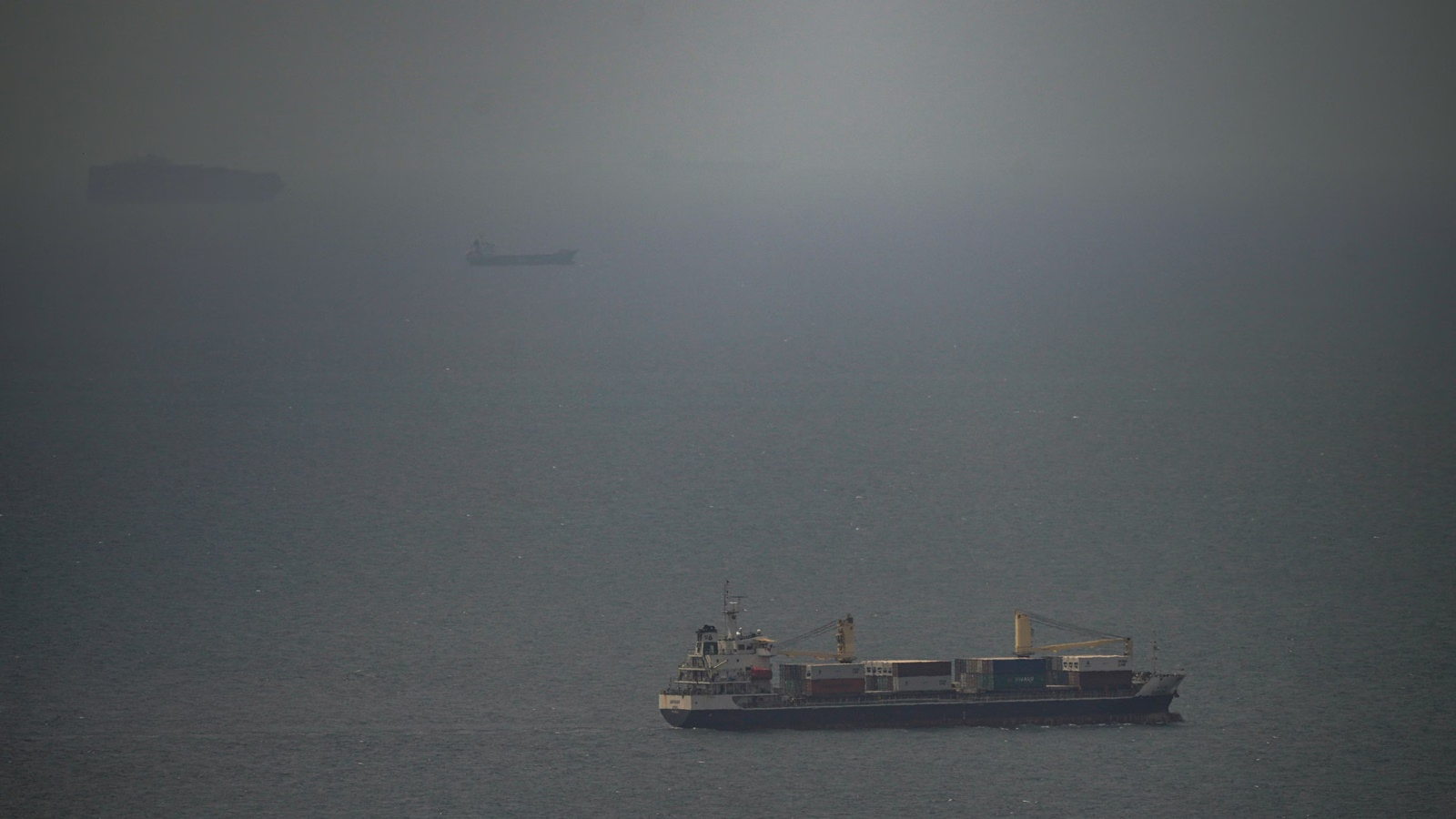
The latest breaking point involved multiple commercial vessels, including the Gujarat-bound Greek-owned Epaminondas and MSC Francesca, which were reportedly fired upon before being escorted into Iranian waters. A third vessel, Euphoria, was also targeted but later moved toward UAE waters without major damage, BBC reported.
Story continues below this ad
Iran’s Islamic Revolutionary Guard Corps Navy stated that the ships had violated maritime regulations and attempted to transit the strait covertly. It warned of continued monitoring and “firm action” against vessels deemed non-compliant.
These incidents followed a US operation earlier in the week in which American forces seized an Iranian-flagged container ship accused of violating the blockade, which led to further escalating actions at sea.
Stay updated with the latest – Click here to follow us on Instagram
© IE Online Media Services Pvt Ltd