…Shift Presidential Disputes To Appeal Court
…Clarify Court Jurisdiction Nationwide
…Mandate Digital Contacts For Candidates
Daud Olatunji
The House of Representatives on Wednesday passed sweeping amendments to the Electoral Act, expanding the legal framework for pre-election disputes and introducing electronic service of court processes in election petitions.
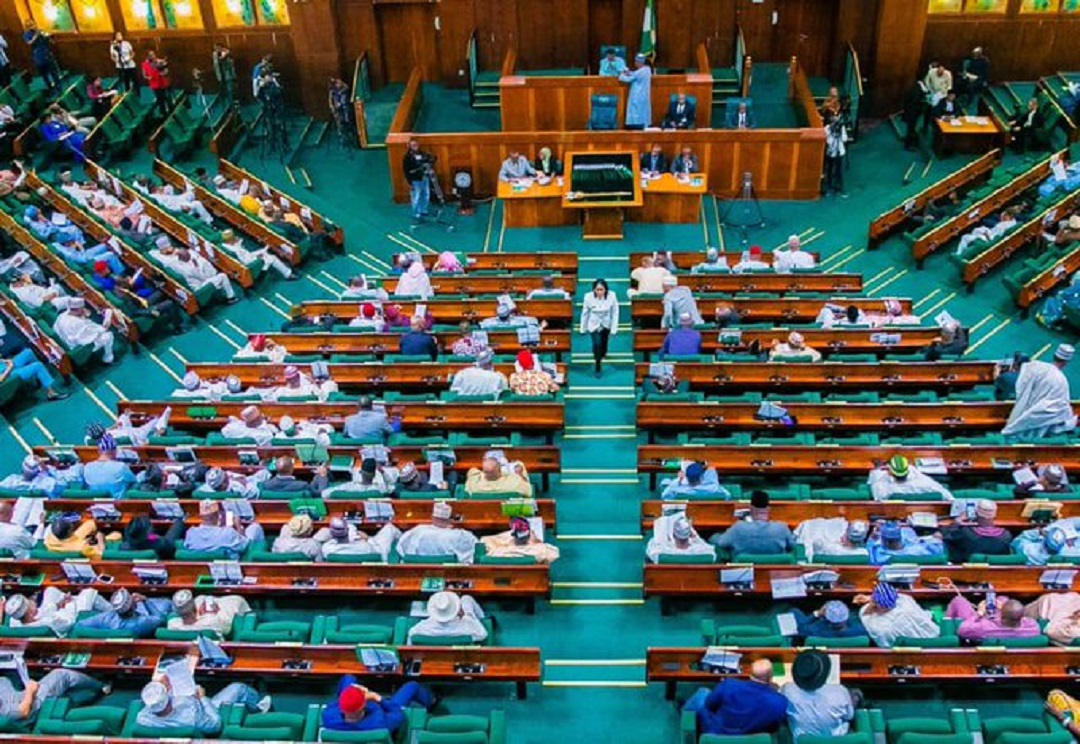
The reforms, sponsored by Adebayo Balogun on behalf of the Deputy Speaker, Benjamin Kalu, were adopted during plenary presided over by Kalu.
A major highlight of the amendment is the expansion of Section 29(5), which now broadens the grounds upon which aspirants can challenge false information submitted by candidates seeking elective offices.
Lawmakers also addressed longstanding jurisdictional ambiguities by allowing such suits to be instituted either in the Federal Capital Territory or in the jurisdiction where the cause of action occurred.
To further streamline the adjudication process, the House introduced a new Section 29A, clearly defining the courts empowered to hear different categories of pre-election matters.
Under the revised structure, disputes involving National Assembly, governorship and state Houses of Assembly elections will originate at the Federal High Court, with appeals proceeding to the Court of Appeal.
However, in a significant shift, pre-election disputes relating to presidential elections will now commence at the Court of Appeal, which will exercise original jurisdiction, while further appeals will lie at the Supreme Court.
The amendment also bars courts outside the designated jurisdictions from entertaining pre-election cases, a move aimed at eliminating conflicting judgments that have historically complicated the electoral process.
Speaking during the debate, Balogun said the reforms were designed to ensure speedy dispensation of justice, reduce legal uncertainties and strengthen the credibility of Nigeria’s electoral system.
In a related development, the House approved the use of electronic communication in serving election petition processes, marking a major step towards digitising electoral adjudication.
The new provision requires candidates to submit verifiable physical addresses alongside functional electronic contact details, including email addresses and telephone numbers, during nomination.
It also amends the First Schedule to formally recognise electronic service as valid, allowing court processes to be delivered via email, SMS and other digital platforms linked to respondents.
According to the law, such service will be deemed effective once there is verifiable proof of transmission, including delivery confirmations or server-generated records, regardless of whether the recipient acknowledges receipt.
Lawmakers further broadened the definition of “electronic means” to accommodate emerging technologies capable of generating verifiable communication records.
However, the move drew mixed reactions on the floor, with Abdussamad Dasuki raising concerns over the potential for fraud and uncertainties surrounding message delivery.
Responding, Kalu clarified that the amendment does not abolish traditional methods of service but rather complements them with modern alternatives.