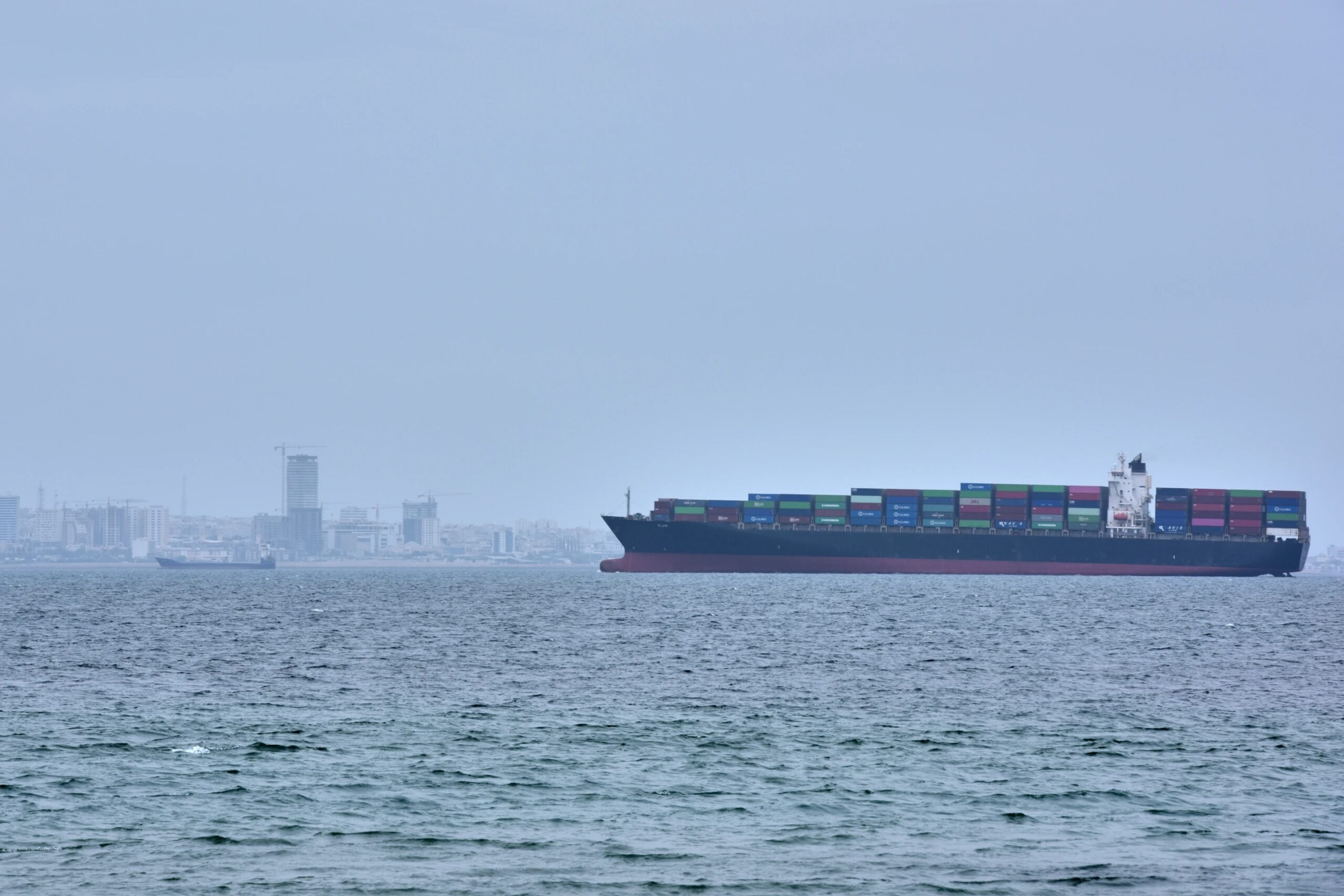
At least seven vessels passed through the Strait of Hormuz in the past 24 hours — a fraction of the 140 daily transits that characterized the waterway before the Iran war began on February 28, as negotiations between Tehran and Washington remain deadlocked.
The vessels, primarily dry bulk carriers, included ships departing Iraqi ports and one cargo vessel from an Iranian port, according to shipping data from Kpler and satellite analysis from SynMax. The modest traffic reflects the subdued maritime activity that has persisted throughout the uneasy ceasefire between the two sides.
The Strait of Hormuz, the critical chokepoint at the entrance to the Persian Gulf through which roughly one-third of the world’s seaborne oil passes in normal times, has become a flashpoint in the broader conflict. The U.S. Central Command said it has redirected 37 vessels since imposing a blockade on Iran on April 13 — a measure aimed at choking off Iranian oil exports and economic lifelines.
Yet Iranian tankers continue to move crude through the waterway. Six Iranian oil tankers returned to Iranian ports and transited Hormuz in recent days carrying approximately 10.5 million barrels, according to satellite data from TankerTrackers.com. On April 24 alone, around four million barrels of Iranian crude aboard tankers slipped through the American blockade, the same satellite analysis showed.
The persistence of Iranian oil shipments despite American interdiction efforts underscores the limits of the blockade’s effectiveness. While overall shipping traffic through Hormuz has collapsed to roughly 5 percent of pre-war levels, Iran continues to move significant quantities of crude to market — a fact that complicates American efforts to economically isolate Tehran while negotiations remain stalled.
The standoff has left global energy markets in a state of uncertainty, with shipping companies wary of transiting the waterway and insurance costs elevated due to the ongoing conflict. The resumption of meaningful diplomacy appears distant, and with it, any prospect of normalizing the flow of commerce through one of the world’s most vital maritime corridors.
(YWN World Headquarters – NYC)