4 min readApr 18, 2026 09:39 PM IST
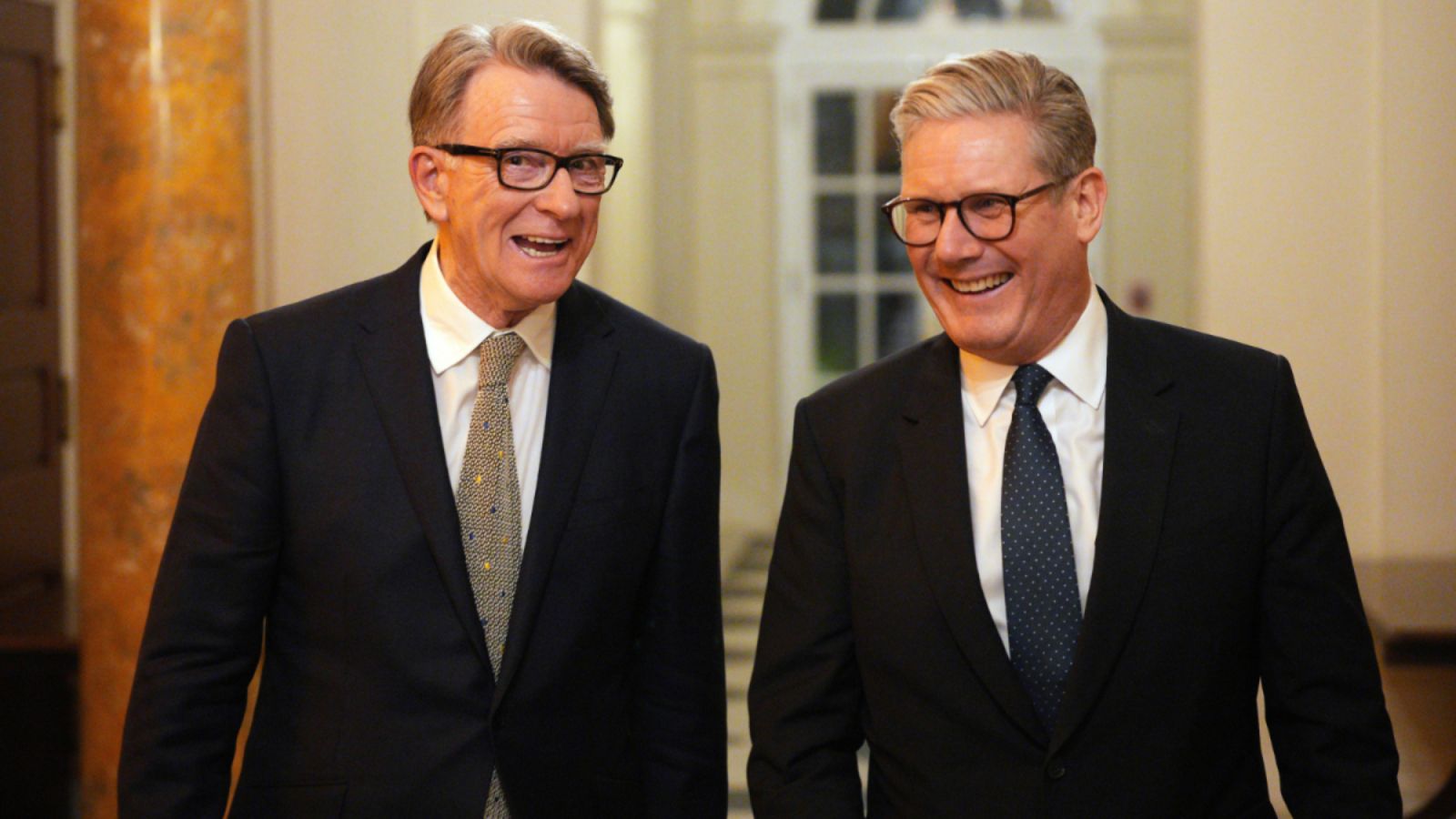
British Prime Minister Keir Starmer was not informed for weeks that Peter Mandelson had failed a key security vetting process before he was appointed ambassador to Washington, according to The Guardian. Reacting to the disclosure, Starmer said it was “unforgivable” and “staggering” that such critical information had been withheld, adding that neither he nor any ministers were made aware at the time.
The Guardian further reported that the delay in informing the prime minister involved some of the most senior figures in the civil service, intensifying scrutiny over how sensitive national security information was handled at the highest levels of government. Cabinet secretary Antonia Romeo and Cabinet Office permanent secretary Catherine Little were both aware of the failed vetting outcome as early as March, yet Starmer was only formally informed earlier this week.
At the centre of the controversy is a UK Security Vetting (UKSV) assessment dated January 2025, which identified highly sensitive concerns regarding Mandelson and concluded that he should not be granted security clearance.
Despite this recommendation, the Foreign Office proceeded to grant developed vetting clearance, a decision that has since triggered significant fallout within government.
The handling of that decision led to the exit of former Foreign Office permanent secretary Olly Robbins, whose department approved Mandelson’s clearance against the advice of the vetting agency. However, subsequent reporting by The Guardian suggests the issue extends beyond a single department, pointing instead to a broader breakdown in communication across Whitehall.
A Cabinet Office spokesperson has maintained that there was no undue delay in informing the prime minister, stating that officials undertook “expedited checks” to assess the legal and national security implications of sharing the information. This process included seeking legal advice, reviewing potential risks to ongoing or future proceedings, and consulting the Foreign Office on how the clearance decision had been reached.
Those internal deliberations appear to have stretched over several weeks, during which multiple officials and legal advisers were aware of the vetting failure. The Guardian reported that this prolonged process has raised concerns within government about whether unelected officials exercised excessive control over the flow of information to ministers.
Story continues below this ad
Controversy leaves officials divided
The controversy has been further complicated by an ongoing debate over whether the UKSV document should be disclosed to Parliament under a “humble address” motion, which requires the government to release relevant materials unless they risk national security or international relations. Officials were reportedly divided, with some warning that full disclosure—even to Parliament’s Intelligence and Security Committee (ISC)—would be unprecedented, while others argued withholding the document could undermine parliamentary authority.
Downing Street has said Starmer only became aware of the situation during a meeting earlier this week. A summary of that meeting indicated the prime minister “was not aware of any of this before the meeting,” including the possibility that security clearance could be granted against UKSV advice. He subsequently instructed officials to establish the full facts so he could brief MPs.
According to Associated Press (AP), the revelations have intensified political pressure on Starmer, particularly over whether his earlier statements to Parliament—that “full due process” had been followed—accurately reflected what had occurred. The government has insisted that ministers were unaware that the Foreign Office had reached a different conclusion from the vetting body.
The AP also noted that the vetting process would have examined Mandelson’s finances, professional relationships and personal conduct, including his past association with convicted sex offender Jeffrey Epstein. Mandelson has denied wrongdoing and does not face allegations of sexual misconduct.
Story continues below this ad
Additional reporting from The Guardian, including evidence presented to a parliamentary committee in late 2025, suggests that the final decision on security clearance rested with senior officials within the Foreign Office, who could weigh vetting advice alongside broader considerations and determine what mitigating measures might be applied.
Starmer has said he is “absolutely furious” about the episode and is expected to make a formal statement to Parliament. The issue has not only reignited scrutiny over Mandelson’s controversial appointment and subsequent dismissal, but has also raised broader questions about accountability, transparency, and the balance of power between ministers and senior civil servants within the UK government.