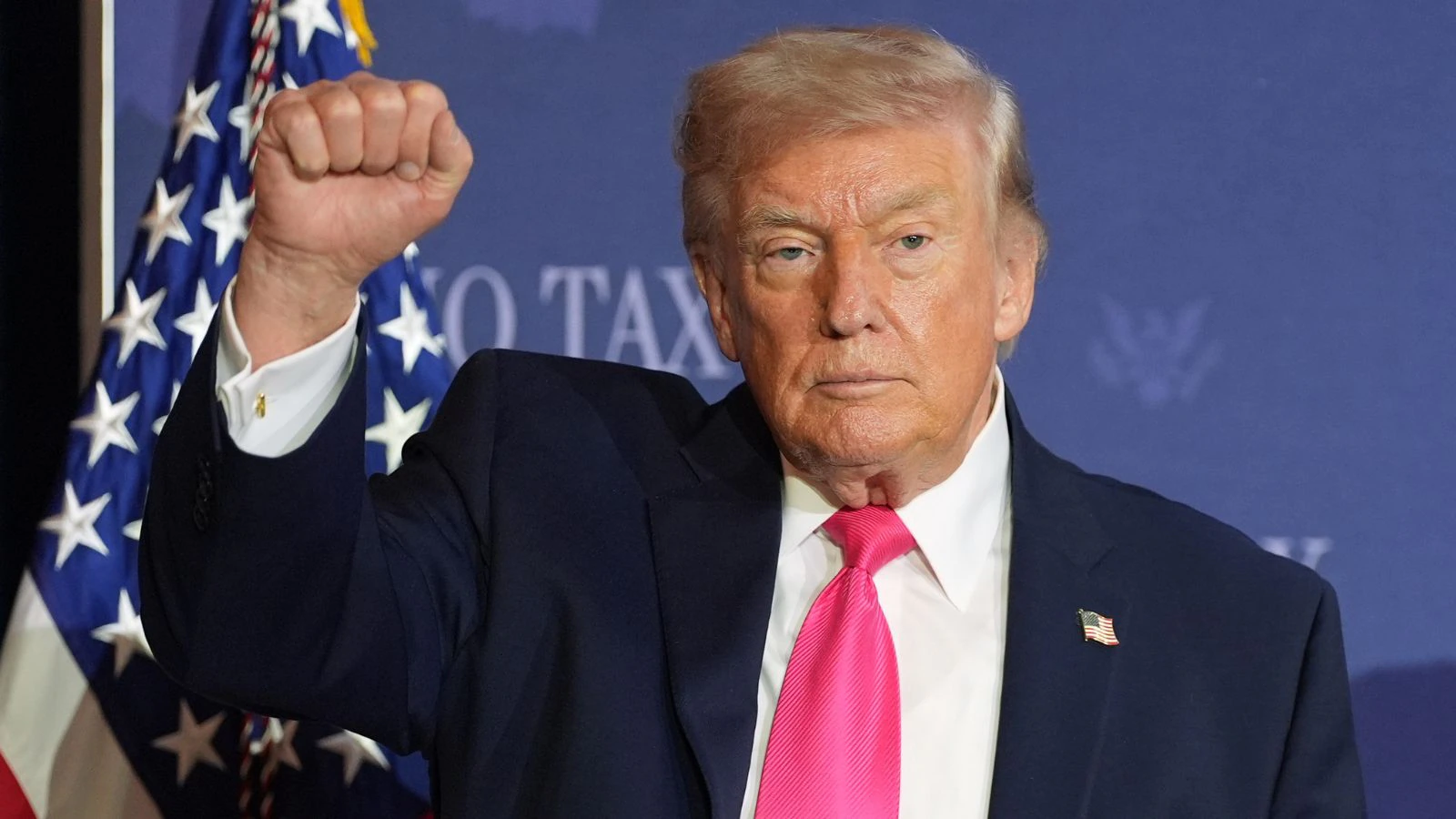
US President Donald Trump on Friday dismissed an offer of assistance from NATO even as tensions around the Strait of Hormuz showed signs of easing, underlining growing friction between Washington and its allies amid the Iran crisis.
“Now that the Hormuz Strait situation is over, I received a call from NATO asking if we would need some help,” Trump said in a Truth Social post.
“I TOLD THEM TO STAY AWAY, UNLESS THEY JUST WANT TO LOAD UP THEIR SHIPS WITH OIL. They were useless when needed, a Paper Tiger!”
The sharp criticism comes despite earlier US calls for allies to support maritime enforcement against Iran, highlighting a widening transatlantic divide over the conflict.
Strait of Hormuz reopening: What changed
“Iran, with the help of the USA, has removed, or is removing, all sea mines,” Trump said, signalling improving conditions in the Strait of Hormuz.
Iran has announced the reopening of the key global oil route, which carries nearly 20% of the world’s energy supplies. The move comes after days of disruption linked to fighting involving Iran, Israel and Hezbollah.
US blockade on Iran to continue
Despite the reopening, Trump made clear that pressure on Tehran will remain.
Story continues below this ad
The U.S. Navy’s blockade on Iranian ships and ports will stay in place “UNTIL SUCH TIME AS OUR TRANSACTION WITH IRAN IS 100% COMPLETE,” he said.
The blockade, imposed after Iran restricted shipping, is part of Washington’s strategy to force concessions on Iran’s nuclear programme and regional actions.
Europe plans alternative mission
Even as Trump rejected NATO’s role, European powers are moving ahead with plans to secure shipping lanes.
French President Emmanuel Macron said countries were united in demanding free passage through the strait, while British Prime Minister Keir Starmer confirmed that over a dozen nations have offered assets for a possible mission.
Story continues below this ad
German Chancellor Friedrich Merz said US involvement would still be “desirable,” warning against strain in transatlantic ties.
Lebanon ceasefire linked to Iran talks
The developments coincide with a fragile ceasefire in Lebanon that could shape broader US-Iran negotiations.
Israeli Prime Minister Benjamin Netanyahu said Israel agreed to the truce “at the request of my friend President Trump,” but warned operations against Hezbollah were ongoing.
Trump has also indicated Israel is “prohibited” from further strikes, suggesting Washington is trying to stabilise the region while pursuing a wider deal.
Story continues below this ad
Nuclear deal hints and uncertainty
Trump claimed Iran may give up its enriched uranium—referred to as “nuclear dust”—a potential breakthrough if confirmed.
However, neither Iran nor mediators have verified such an agreement, and key issues remain unresolved, including nuclear limits, maritime security and war-related compensation.
Trump thanks allies, sends global message
“Thank you to Saudi Arabia, UAE and Qatar for your great bravery and help,” Trump posted.
“Thank you to Pakistan and its Great Prime Minister and Field Marshall, two fantastic people!”
Story continues below this ad
He added: “Again! This deal is not tied, in any way, to Lebanon, but we will, MAKE LEBANON GREAT AGAIN!”
“A GREAT AND BRILLIANT DAY FOR THE WORLD!”
Why this matters
The reopening of the Strait of Hormuz has eased immediate fears of an oil supply shock, but the continued US blockade and Trump’s rejection of NATO support point to deeper strategic tensions.
With negotiations still fragile, the divide between the US and its allies could shape the next phase of the Iran crisis and global energy security.