1 / 12
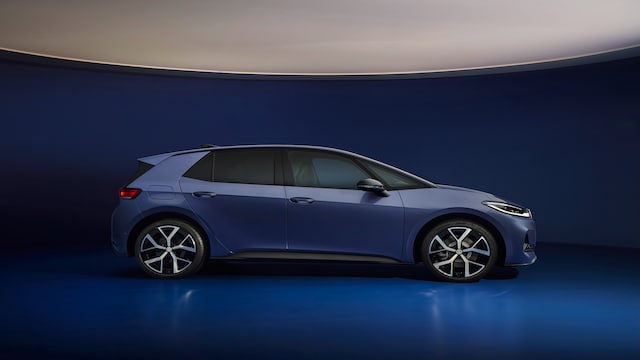
Volkswagen has unveiled the Volkswagen ID.3 Neo as a major update to its compact electric car, introducing the “Neo” name as part of a broader EV rebranding. The model is the first of six new electric vehicles planned this year and reflects changes that go beyond a standard facelift, based on a renewed focus on customer needs.
 2 / 12
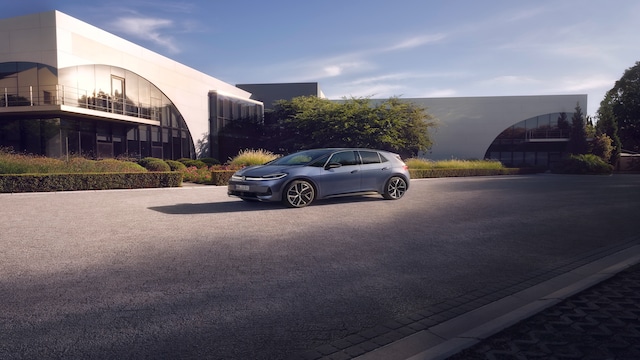
Course Correction: Volkswagen said it had lost focus on customer priorities and is now restructuring under the “True Volkswagen” approach. This strategy emphasises design clarity, improved quality, and easier operation. The ID.3 Neo is among the first models developed under this direction and is expected to influence upcoming compact EVs.
 3 / 12
Key Player: The ID.3 remains an important model in Europe, with around 78,000 units sold in 2025. In Germany, it ranked among the top battery-electric cars. However, earlier versions faced criticism for usability, especially touch-based controls and interface design, and earlier updates did not fully resolve these issues.
 4 / 12
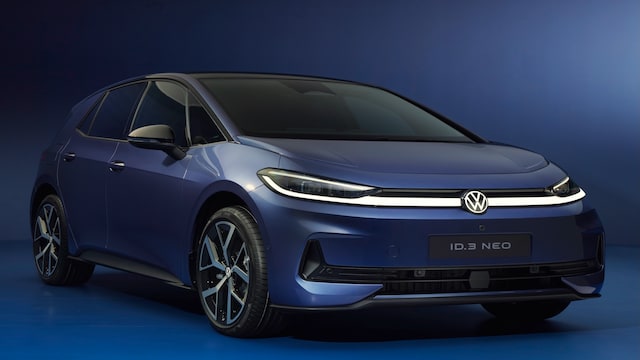
Fresh Face: The ID.3 Neo adopts Volkswagen’s “Pure Positive” design language. The front end is redesigned with slimmer LED headlights and a horizontal light strip. Depending on the version, the Volkswagen logo is illuminated. The bumper has been reshaped, with airflow openings extending toward the sides where sensors are located.
 5 / 12
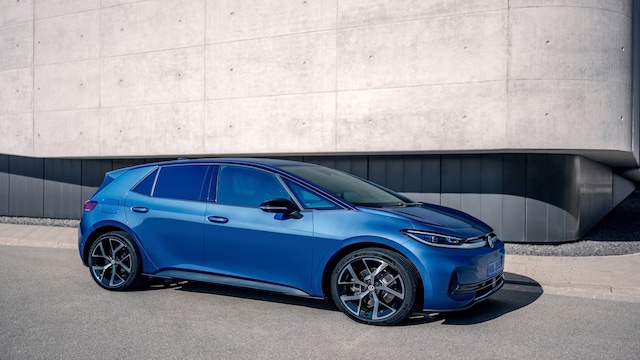
Subtle Tweaks: The side profile is largely unchanged, but a new colour scheme alters the appearance. The roof, spoiler, and windscreen frame are now body-colored. The rear tailgate also matches the body colour instead of black. The rear design itself remains mostly unchanged.
 6 / 12
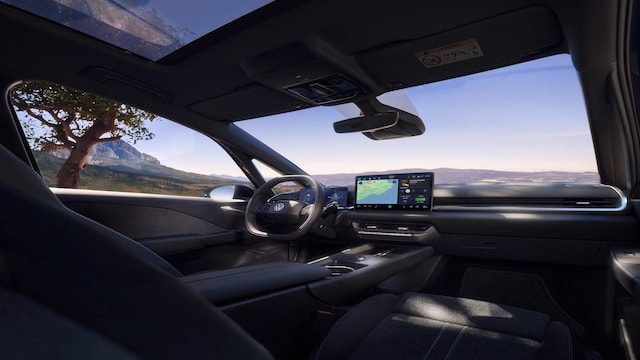
Cabin Overhaul: The interior has been rebuilt with a new layout for the dashboard, centre console, and controls. Materials have been improved, with more fabric and soft-touch surfaces. A key change is the return of physical controls for key functions, replacing earlier touch-sensitive inputs.
 7 / 12
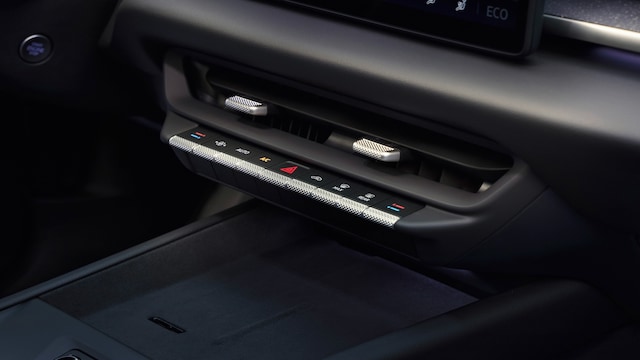
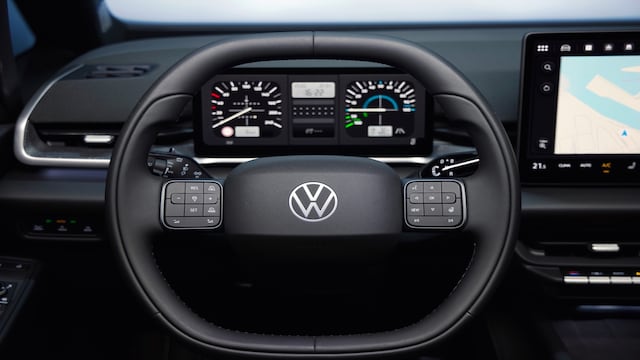
Better Controls: The climate system now uses physical buttons for temperature, airflow, and defrost. The steering wheel also features standard buttons instead of touch controls. The driver’s door includes four window switches and separate lock controls. A rotary knob between the seats controls volume and media, and additional storage has been added.
 8 / 12
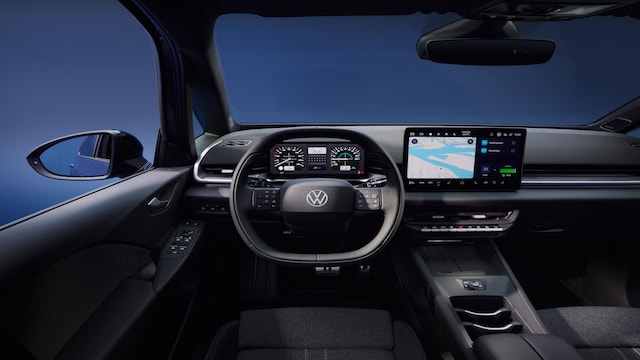
Tech Upgrade: The driver display has been increased to 10.25 inches and supports multiple layouts, including a retro-style display. The infotainment system, called “Innovision,” runs on Android and uses a 12.9-inch touchscreen. It includes navigation with charging planning, voice assistant functions, smartphone integration, and a digital key, along with connected services provided for ten years.
 9 / 12
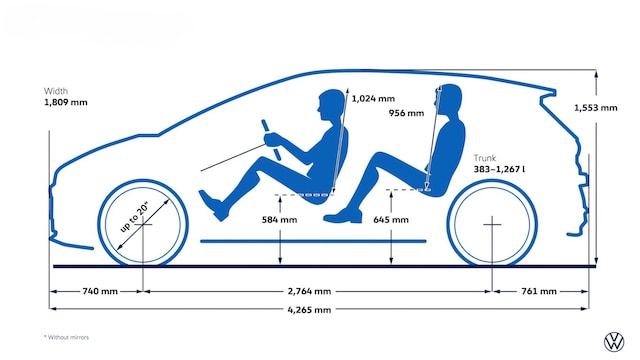
Same Space: The vehicle’s dimensions remain about 4.26 meters in length with a wheelbase of nearly 2.77 meters. Interior space is unchanged. Boot capacity remains 385 litres, expanding to 1,267 litres with the rear seats folded. A bicycle carrier mount is available, but a factory tow hitch is still not offered.
 10 / 12
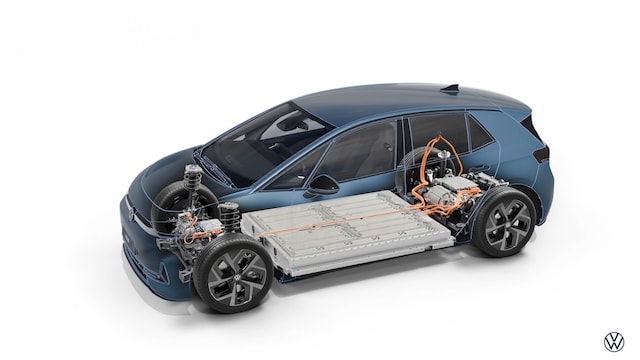
New Hardware: The ID.3 Neo is built on the updated MEB+ platform and continues with rear-wheel drive. It introduces new electric motors, including the APP350, which improves efficiency compared to earlier units. Power outputs are 125 kW, 140 kW, and 170 kW. Battery options include 50 kWh, 58 kWh, and 79 kWh, with smaller batteries using LFP chemistry.
 11 / 12
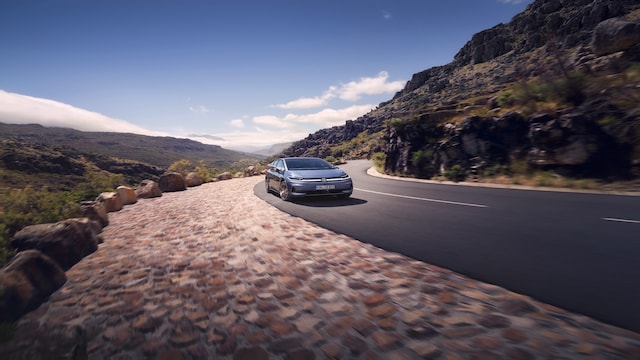
Range Boost: The model offers WLTP ranges of up to 417 km, 494 km, and 630 km, depending on the battery. DC fast charging supports up to 105 kW for smaller batteries and up to 183 kW for the largest. Charging from 10 to 80% takes about 26 to 29 minutes, depending on the version.
 12 / 12
Feature Set: New features include one-pedal driving, vehicle-to-load capability, and optional driver assistance functions such as Travel Assist with traffic light recognition. The trim structure has been revised to Trend, Life, and Style. Standard equipment includes driver assistance systems and connectivity features. Pre-sales begin in April 2026, with deliveries starting in July in Europe. There is currently no official confirmation regarding the launch or availability of the Volkswagen ID.3 Neo in India.