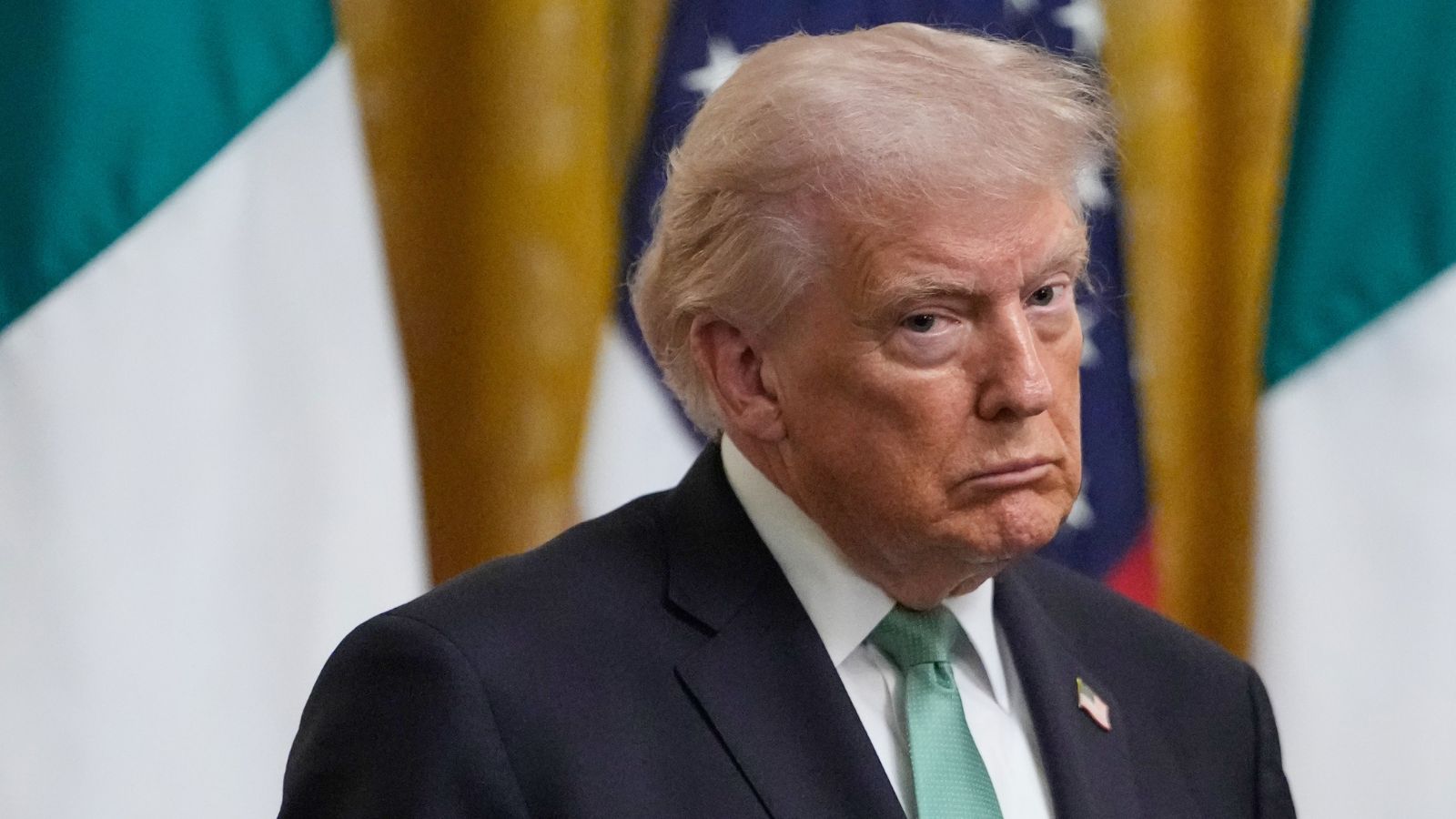
The developments come at a time when oil prices remain volatile after the US seized an Iran-flagged cargo vessel in the Arabian Sea, alleging it was attempting to bypass a naval blockade. While US President Donald Trump has said negotiations are still on track, Iran has indicated it has no plans to engage in fresh talks following the incident, raising concerns over further escalation in a region critical to global energy supplies.
Former ambassador KP Fabian said Washington’s mixed messaging is complicating an already tense situation. “President Trump, on the one hand, seeks negotiations, but again, we have to be careful,” he said, pointing to the contradiction between diplomatic outreach and continued enforcement of the blockade. He noted that while a ceasefire involving Iran and Lebanon had been announced, subsequent actions, including the seizure of a vessel, have undercut confidence in the process.
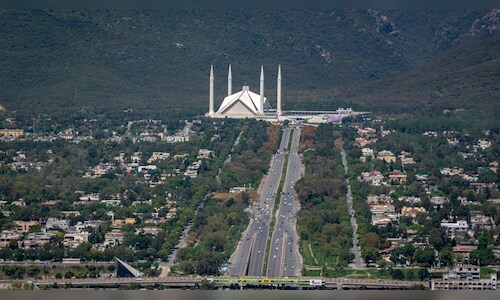
The uncertainty has deepened amid confusion over a US delegation to Pakistan, initially denied and later confirmed by the White House, further adding to perceptions of inconsistency in Washington’s approach.
Geo-security expert Anju Gupta said the situation has shifted rapidly over the weekend, with Iran signalling a harder stance. “The dynamic, I think, has changed overnight,” she said, adding that Tehran has refused to proceed with a second round of negotiations while the US blockade remains in place. She also pointed to reported drone activity targeting US vessels near the Gulf of Oman and warnings from Iran that the ceasefire may effectively be over.
According to Gupta, the risk of renewed conflict between Iran and Israel has increased, with potential spillover effects on the already fragile ceasefire between Israel and Hezbollah in Lebanon. She also highlighted growing unease within Gulf Cooperation Council countries, alongside US advisories urging citizens to leave parts of the region, as signs of rising instability.
Energy consultant Ali Alriyami warned that any escalation could have significant consequences for global oil supply chains, particularly if key maritime routes are disrupted. He said Iran has the capability to target infrastructure across the Gulf and could potentially leverage allied groups to block the Bab al-Mandeb strait, a critical chokepoint linking the Red Sea to global shipping lanes.
“What we hope does not happen is an escalation leading to a renewed conflict like two weeks ago. The targets this time would be massive on both sides,” Alriyami said. He added that a disruption to flows through the Bab al-Mandeb could severely impact Saudi oil exports to Asia, forcing rerouting and driving up costs.
Alriyami also cautioned that enforcing a prolonged maritime blockade would be operationally challenging given the vastness of the region. Increased inspections and monitoring of vessels could disrupt logistics across Gulf countries, including Oman, and complicate efforts to distinguish between Iranian and non-Iranian cargo.
Also Read | China warns of escalation after US seizes Iranian ship near Strait of Hormuz
The latest tensions have also had direct implications for India. Two Indian-flagged ships were forced to turn back near the Strait of Hormuz after coming under fire from the Iranian side, prompting New Delhi to summon Iran’s ambassador and register “deep concern”. No casualties were reported, but the incident underscores the risks to commercial shipping in the region.
With the current ceasefire set to lapse in the coming days and warnings from Washington of severe consequences if no agreement is reached, the combination of military action, diplomatic uncertainty and rising regional tensions is keeping markets on edge. For now, experts say, the lack of clarity in US policy is adding to the volatility rather than easing it, at a time when stability in the Gulf remains critical for global energy security.