1 / 10
1. From Orbán admirer to political challenger | Péter Magyar’s early years were shaped by post-communist Hungary, where he admired long-time leader Viktor Orbán. He was not an outsider to the system—his journey began with alignment and belief in the ruling establishment. (Image: Reuters)
 2 / 10
2. A deep insider in Hungary’s power structure | Magyar built his career within the orbit of Fidesz, Orbán’s party. He held roles in Brussels and key state institutions, and had close links to figures like Gergely Gulyás. His marriage to former justice minister Judit Varga placed him firmly within the inner circle of power. (Image: AP)
 3 / 10
3. The scandal that triggered his break | In 2024, a controversial pardon case linked to a child abuse cover-up led to resignations, including President Katalin Novák. Magyar publicly criticised the ruling party, marking a sharp and visible break from Fidesz. (Image: AP)
 4 / 10
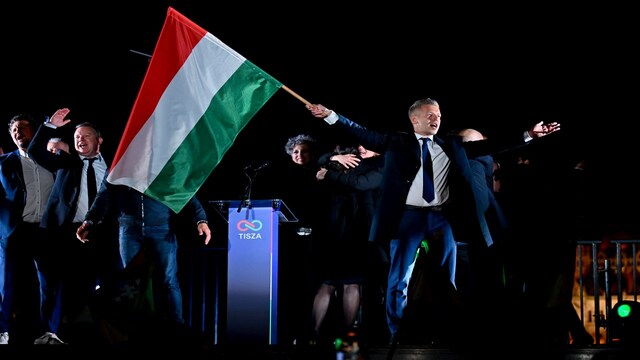
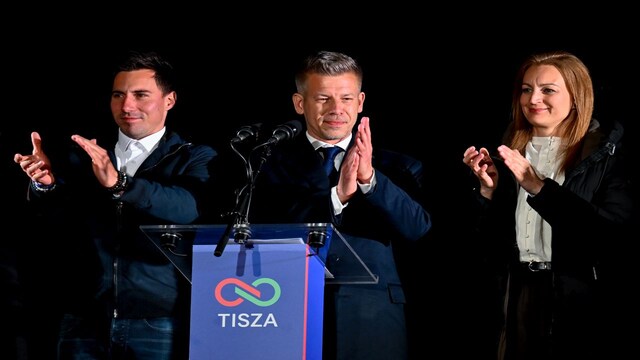
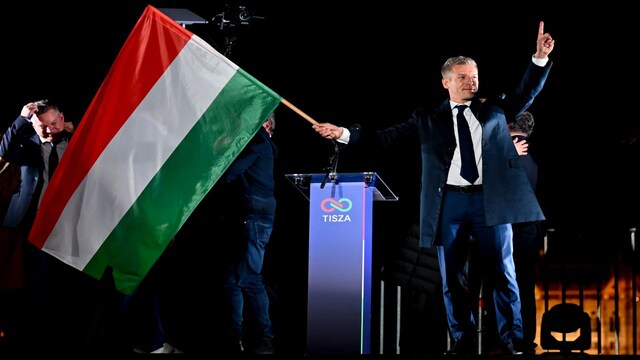
4. A rapid political rise | After a viral interview in 2024, Magyar quickly became a national figure. He mobilised large rallies and built momentum within months. His Tisza party soon turned into a credible political force, leading to a decisive electoral victory. (Image: AP)
 5 / 10
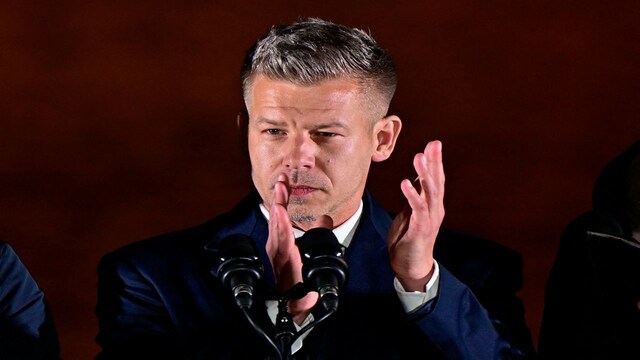
5. His core criticism: a “captured system” | Magyar argues that Hungary’s institutions—courts, media, and governance—have become overly centralised. He claims transparency and accountability have weakened, with corruption and economic strain affecting daily life. (Image: Reuters)
 6 / 10
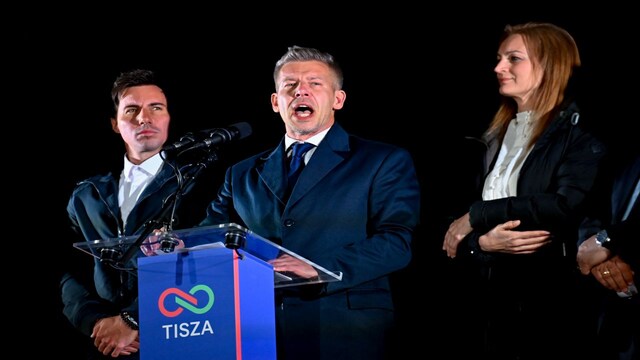
6. A shift toward the European Union | One of Magyar’s key geopolitical positions is a stronger alignment with the European Union. He has signalled intent to restore ties with Brussels and unlock frozen EU funds, marking a shift from Orbán’s more confrontational stance. (Image: AP)
 7 / 10
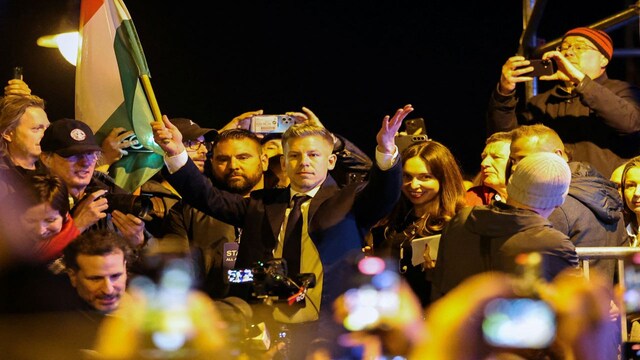
7. Reducing reliance on Russia | Magyar has also indicated plans to cut Hungary’s dependence on Russian energy. While details remain limited, this suggests a possible recalibration of Hungary’s foreign policy, especially in the context of the Russia-Ukraine conflict. (Image: Reuters)
 8 / 10
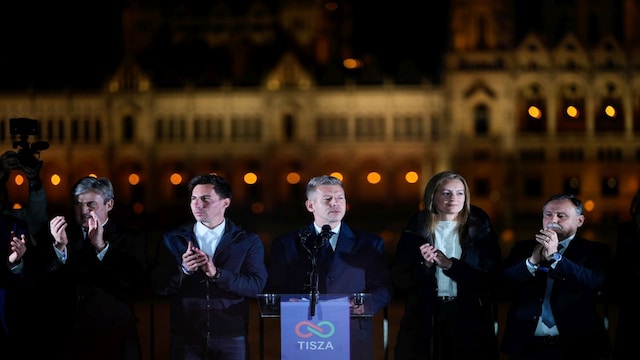
8. What remains unclear in his foreign policy | Despite broad signals, several aspects of Magyar’s geopolitical stance are still undefined. His long-term approach to Russia, defence policy, and regional alliances is yet to be clearly outlined, leaving room for uncertainty. (Image: Reuters)
 9 / 10
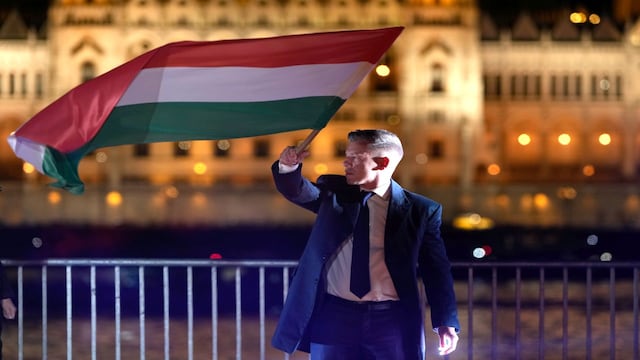
9. Why voters backed him | Public frustration over corruption, economic pressure, and declining public services played a major role in his rise. Magyar’s support cuts across ideological lines, reflecting a wider demand for systemic change. (Image: AP)
 10 / 10
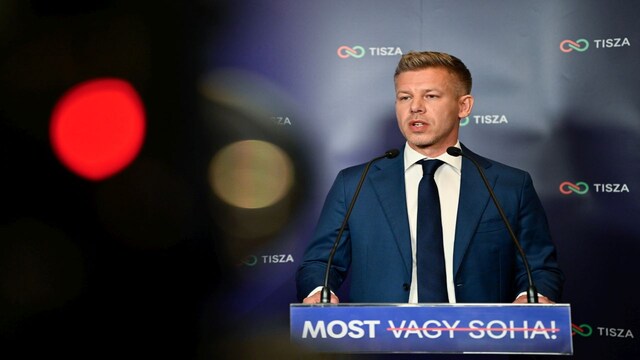
10. A result with wider geopolitical impact | Magyar’s victory is not just a domestic political shift. It could reshape Hungary’s role within the EU and influence positions on key issues like Ukraine and Russia. It also signals that entrenched political systems can still be challenged through elections. Despite the scale of his victory, Magyar inherits institutions still shaped by Orbán-era appointees. His ability to deliver reforms while maintaining political stability will determine whether this moment leads to lasting change. (Image: AP)