Despite multi-billion naira World Bank modernization efforts, the Lagos-Seme border remains chronically underutilized as rigid trade restrictions redirect lucrative revenues into the black market.
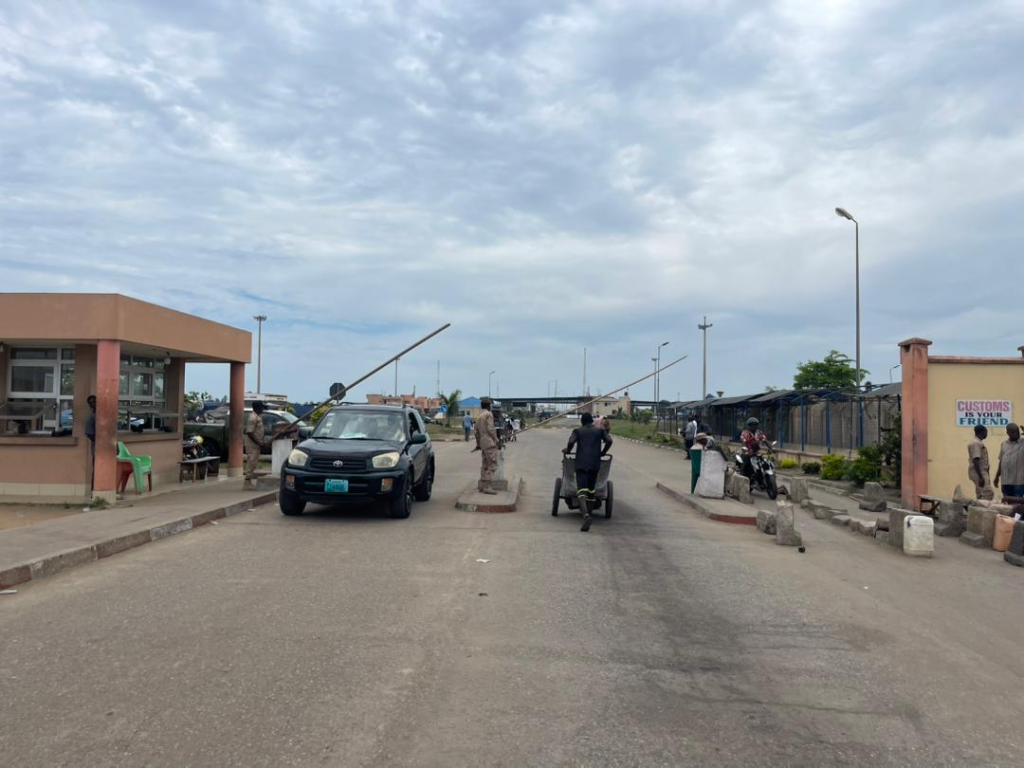
For years, Nigeria’s trade strategy has leaned heavily on a blunt, ineffective tool: outright import bans. Intended to shield domestic industries and halt illicit inflows, these prohibitions have instead turned the strategic Seme Border into a stark monument to lost economic potential in billions of naira.
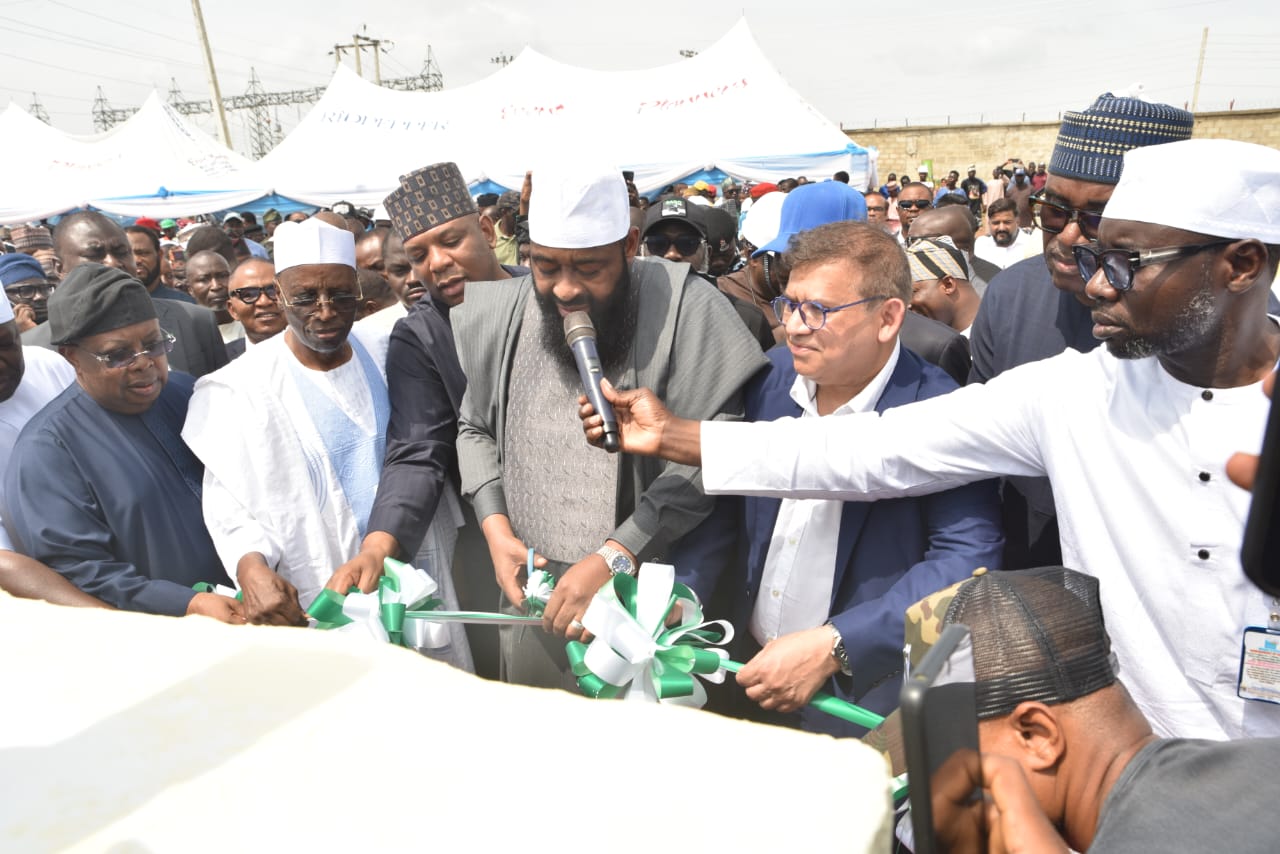
Linking Lagos to the Republic of Benin, Seme is Nigeria’s premier land gateway. Recognizing its potential, the World Bank recently financed a major overhaul of the station, equipping it with modern, cross-border infrastructure.
Private players matched this commitment, pouring heavy investment into bonded terminals, expansive warehouses, and trailer parks designed for seamless logistics.
The infrastructure is ready, the technology is live, and the storage capacity is unprecedented. Yet, the border remains a ghost town for formal commerce.
The bottleneck lies in Abuja. The Federal Government continues to block high-demand imports—most notably used vehicles (Tokunbo)—under the guise of curbing smuggling and promoting local assembly.
The real-world result, however, is a glaring paradox: smugglers simply bypass official channels via porous coastal routes, while the state treasury bleeds the revenue required to fund its national budget.
The math is simple. Replacing these bans with a transparent, tech-driven tariff system would net the Nigerian Customs Service billions of naira in legitimate duties. Instead, these funds currently enrich non-state actors or boost the economy of neighboring Benin.
For a nation desperate to diversify away from oil, keeping this revenue tap shut is a massive economic own-goal.
Ultimately, Nigeria’s border management has chosen restriction over strategic flexibility. But in economics, the easiest path is often the costliest. By prioritizing bans over trade facilitation, the government is actively undermining its own modernization efforts.
Seme possesses the infrastructure and location to be West Africa’s primary economic engine. It does not lack capacity; it lacks a policy rethink.
To salvage the economy, Nigeria must move past the era of prohibition and embrace a smarter reality: the most effective way to eliminate smuggling is to stop blocking trade and start taxing it efficiently.