Michael Olugbode in Abuja
Three civil society organisations have called on the Federal Government to urgently commission a new national study on the state of the Nigerian boy child, integrate boys into child protection frameworks, and significantly increase funding for education.
The call was made in a joint statement issued by Boys Champions Foundation, ActionAid Nigeria and Oxfam in Nigeria to mark the 2026 International Day of the Boy Child.
The organisations said this year’s theme, ‘Breaking the Silence: Boys and Mental Health: Investing in Boys for Stronger Families’, comes at a time of widening inequality, outdated national data, and millions of children remaining outside the school system.
According to the groups, the last nationally representative study on violence, abuse and neglect affecting Nigerian children, including boys, was the 2014 Violence Against Children Survey (VACS), adding that no comprehensive update has been conducted in more than a decade.
The coalition argued that the absence of updated data has left many vulnerable boys “unseen and uncounted,” particularly those trapped in poverty, street life, school dropouts and the Almajiri system.
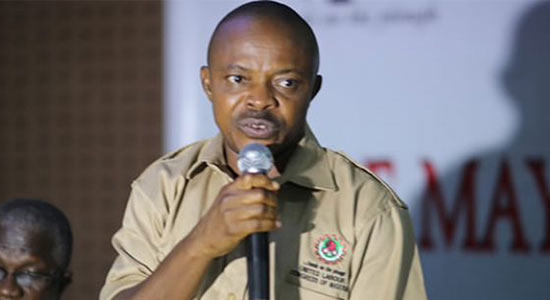
Founder of Boys Champions Foundation, Noel Alumona, said Nigerian boys are being failed by weak systems rather than personal shortcomings.
“The Nigerian boy child is not failing; he is being failed,” Alumona stated.
He added: “Today, we are asking the government, civil society, and every Nigerian who cares about the future of this country to look at our boys not with pity, but with intention. They do not need sympathy but systems. And those systems are not built by accident. They are funded, named, and committed to by all stakeholders.”
Country Director of ActionAid Nigeria, Dr. Andrew Mamedu, warned that neglecting the boy child could deepen social instability in the future.
“If we fail to invest intentionally in the boy child today, society will pay tomorrow. The consequences appear in unstable homes, fractured communities, and poor leadership,” he said.
Mamedu stressed that preparing girls for leadership and opportunity should not mean ignoring boys, noting that both are critical to building stable families and communities.
Also speaking, Country Director of Oxfam in Nigeria, Tijani Hamza, described the lack of updated national data on boys as “a profound crisis of inequality.”
“We cannot protect who we do not count,” Hamza said.
He urged government authorities to provide “actionable data, dedicated budgets, and deliberate policies” targeted at vulnerable boys before they are consumed by poverty, violence and crime.
The coalition made three key demands to the Federal Government: Immediate commissioning of a new nationally representative Violence Against Children and Youth Survey focused on the boy child; Explicit inclusion of boys in child protection, education and social welfare policies; Increase in education funding from the current 7.3 per cent of the national budget to the UNESCO-recommended benchmark of between 15 and 20 per cent.
The organisations argued that Nigeria’s growing out-of-school population and worsening social conditions require urgent political action rather than symbolic commitments.
The statement cited reports from UNICEF, the Nigeria Violence Against Children and Youth Survey, and other child welfare studies as evidence of the worsening challenges facing vulnerable children across the country.