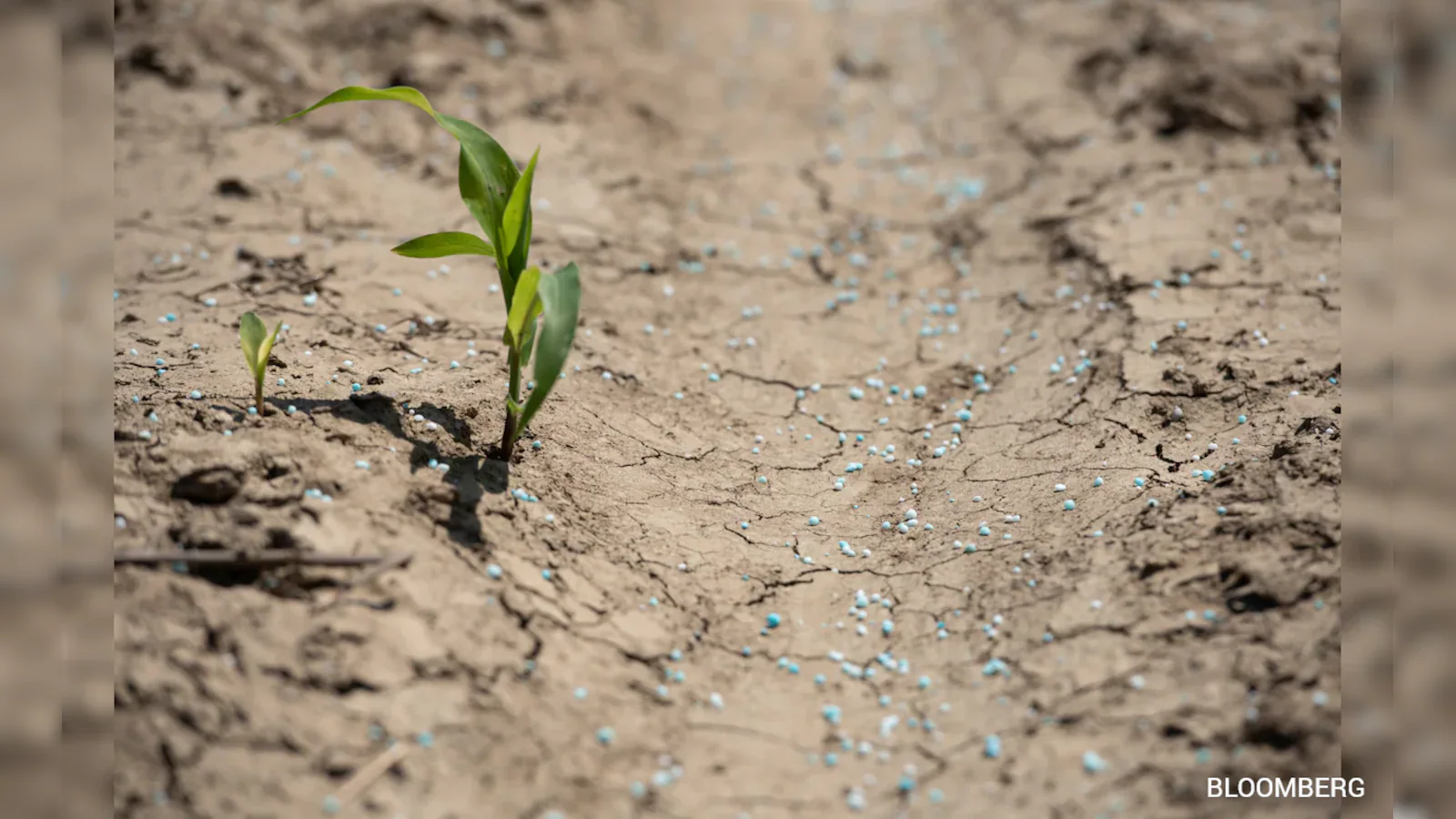
After the Iran war disrupted supplies of conventional nitrogen fertilizers, the English farmer began scouring the Yorkshire countryside for substitutes to keep his crops growing. That led Mills to the poultry shed of a relative’s friend, whose chicken manure is suddenly so sought after that he now has a long list of buyers.
“Everyone is doing the same, looking for alternatives,” said Mills, who harvests wheat, barley and oats on a farm dotted with sheep.
Farmers worldwide are under pressure. About a third of traded urea, a widely used nitrogen fertilizer, comes from the Gulf region. With the Strait of Hormuz effectively shut, prices have jumped to multi-year highs. That’s forcing growers to improvise ahead of the fall planting season or risk lower yields, profit losses and disruptions to global food supply.
Some are turning to age-old solutions like manure. Others are experimenting with newer technologies. These range from waste-based inputs, including materials like ground almond shells, to microbial products designed to boost plant growth and reduce reliance on chemical fertilizers.
“The war situation is, sadly, a good thing for us,” said Francois Gerard of French startup Toopi Organics, which converts human urine collected from schools and festivals into a bacteria feed that helps plants grow. Since late February, sales have jumped about a quarter, he said, with prices holding steady thanks to abundant supply.
“We have urine everywhere,” Gerard said.
With no end in sight to rival US and Iranian blockades in Hormuz, fertilizer disruptions are expected to persist. A prolonged conflict could mean weaker harvests and higher grocery prices. The United Nations has warned that an additional 45 million people may face acute food insecurity.
Because farmers plan months ahead, the effects risk rippling into yields as far out as 2027, according to the UN’s Food and Agriculture Organization. The World Bank expects fertilizer prices to rise by nearly a third this year, pushing affordability to its worst level since 2022, when Russia invaded Ukraine.
The crisis is giving fresh momentum to products that have long struggled to gain widespread adoption because farmers viewed them as less reliable than synthetic fertilizers.
In Malaysia, dairy producer Farm Fresh Bhd. feeds livestock waste to worms, which enrich the grass its cows graze on. The company has used the method for years but is leaning on it more heavily as urea costs jump.
“That is nature’s best fertilizer,” said Chief Financial Officer Mohd Khairul Mat Hassan. “And we top it with chicken dung.”
Demand for biofertilizers and biostimulants is also rising. Adoption has historically been limited by cost and inconsistent performance, but companies say farmers are becoming more willing to experiment.
Syngenta, which has produced biological products for decades, says it’s seeing rising interest. In Thailand, startup Living Roots has hired staff to keep up with demand. And US-based Holganix says its business has more than doubled this year.
“We really feel like this fall is going to be an explosion,” said Holganix Chief Revenue Officer Bryan Hansel.
Producers are racing to turn what may be a temporary supply shock into lasting market share gains.
Pivot Bio – a firm backed by one of Bill Gates’s ventures and funded with some $700 million – cut prices by roughly 15% early in the conflict, widening its cost advantage over conventional fertilizers and helping introduce its products to more US farmers, Chief Executive Officer Chris Abbott said.
New Orleans urea prices reached $710 a ton last month, the highest since spring 2022, before falling. Egyptian urea has climbed more than 90% since the war started, hitting $940 a ton, according to data from Bloomberg Green Markets.
Alternatives vary widely in price. Living Roots’ PhotoBoost costs about 400 baht ($12) per rai, versus roughly 1,200 baht for a bag of urea. The company says its products can reduce chemical fertilizer use by as much as 50%, cutting costs by about 20%.
Hundreds of farmers have signed on to a Pivot Bio program allowing them to lock in prices for three years. As fertilizer prices climbed, the company’s products – already cheaper than conventional options – gained a cost advantage of as much as 65%, Abbott said.
And chicken muck? Roughly $13 a ton, according to Mills – though transport costs add up.
There are limits to the shift. Despite the price appeal, many alternatives still aren’t direct substitutes and nutrient content can be less predictable. Sri Lanka’s 2021 attempt to switch entirely to organic fertilizers led to sharp drops in tea and rice production, for example.
“It’s not a case of ‘we’ll all just switch to muck,'” Mills said. “Life isn’t that simple.”
Scaling up also remains a major hurdle. Many farmers are still wary of unfamiliar products after decades of relying on conventional fertilizers. Some biological solutions struggle with consistency – microbes, for instance, can wash away from plant roots.
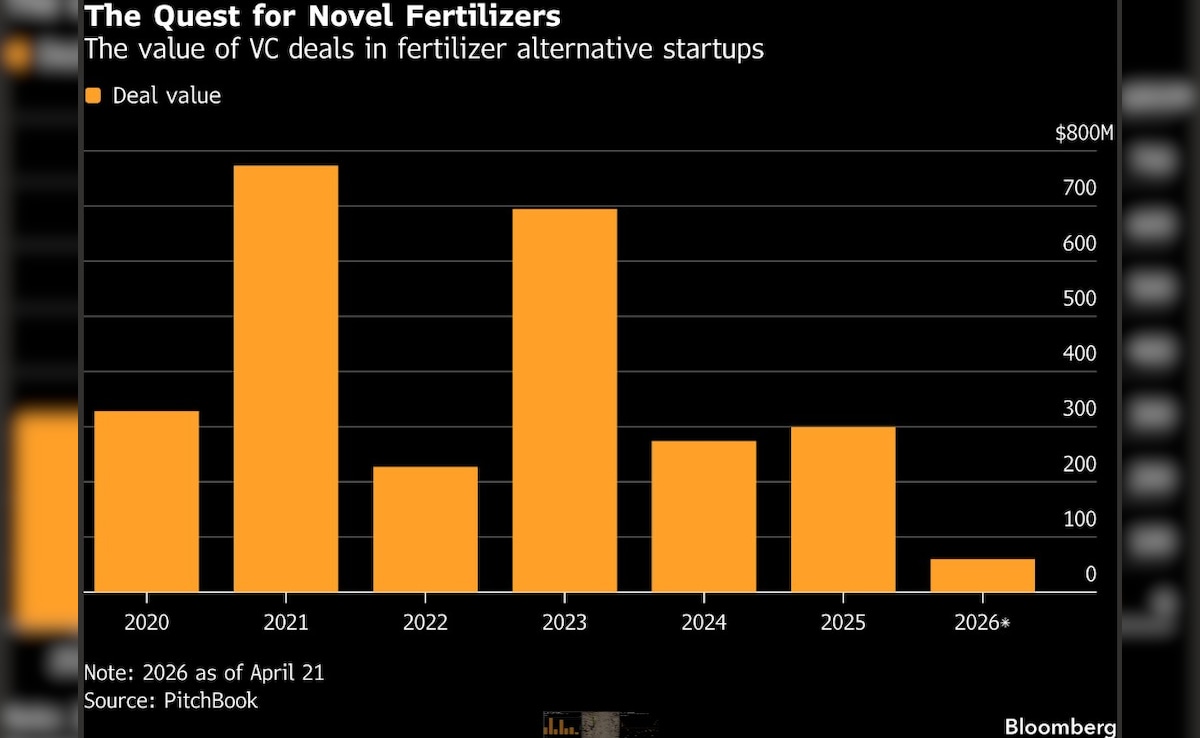
Startups face supply constraints. Toopi needs to boost its urine collection next year. California-based Nitricity, which makes fertilizers from ground almond shells, is building new production capacity and is sold out through 2028.
Produced largely from natural gas, synthetic nitrogen fertilizers have underpinned global food production for decades and remain difficult to replace at scale, despite their environmental costs.
For now, the bigger question is whether demand will last. Previous supply shocks, including Russia’s invasion of Ukraine, exposed the world’s dependence on fertilizers but did little to loosen it.
“Synthetic fertilizers have supported global food production for a century,” Mills said. “I haven’t seen evidence that you can remove them entirely and maintain current yields. There are no silver bullets.”
(Except for the headline, this story has not been edited by NDTV staff and is published from a syndicated feed.)