
A video showing a young boy being forced into marriage after impregnating a girl has gone viral online, sparking debate about early marriage and parental pressure in some communities.
In the circulating footage, the boy appears distressed while participating in a traditional marriage ceremony. Onlookers can be heard conducting the proceedings, while the boy repeatedly says, “I’m not ready for this marriage, please.” The clip, which spread quickly on social media, has drawn sympathy and criticism from viewers who question the circumstances around the union.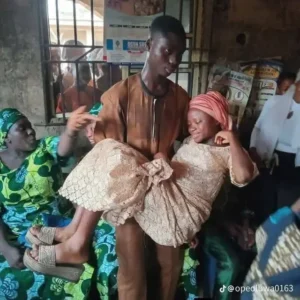
According to posts accompanying the video, the marriage was arranged after the girl became pregnant. Community members reportedly stepped in to formalize the union, citing local customs that prioritize marriage in cases of premarital pregnancy. The exact age of the boy and girl was not confirmed in the viral posts, but commenters described the boy as appearing underage.
The incident has reignited discussion about child marriage, consent, and the role of community pressure in personal decisions. Many social media users condemned the practice, arguing that forcing a minor into marriage violates child protection laws and limits the boy’s future prospects for education and personal development. Others defended the action as a way to protect the girl’s reputation and ensure responsibility for the child, in line with cultural norms in some areas.
Legal experts note that in Nigeria and several other countries, marriage under the age of 18 is prohibited under the Child Rights Act and related legislation. However, enforcement remains inconsistent, particularly in rural areas where traditional and religious practices sometimes override statutory law. Advocacy groups have long called for stronger intervention by social welfare agencies and law enforcement in such cases.
Child rights organizations emphasize that both boys and girls forced into early marriage face significant risks, including interrupted education, economic hardship, and mental health challenges. They recommend counseling, mediation, and access to support services as alternatives to forced unions, especially when pregnancy occurs….See More