US President Donald Trump on Friday wrapped up a high-profile visit to Beijing with a series of wide-ranging remarks touching on Taiwan, trade, Iran, fentanyl, denuclearisation and economic ties with China after holding extensive talks with Chinese President Xi Jinping.
The two leaders met during a closely watched summit in the Chinese capital that combined an elaborate diplomatic ceremony with discussions on some of the most sensitive issues shaping US-China relations. Trump later told reporters that Taiwan had figured prominently in his conversations with Xi, though he insisted he did not believe there was an imminent conflict over the island.
“I made no commitment on Taiwan,” Trump said, while adding that he and Xi had “talked a lot about Taiwan.”
Taiwan, security and denuclearisation discussions
Trump also said, “I don’t think there’s a conflict on Taiwan,” comments likely to be closely analysed in both Washington and Beijing amid continuing tensions in the Indo-Pacific region.
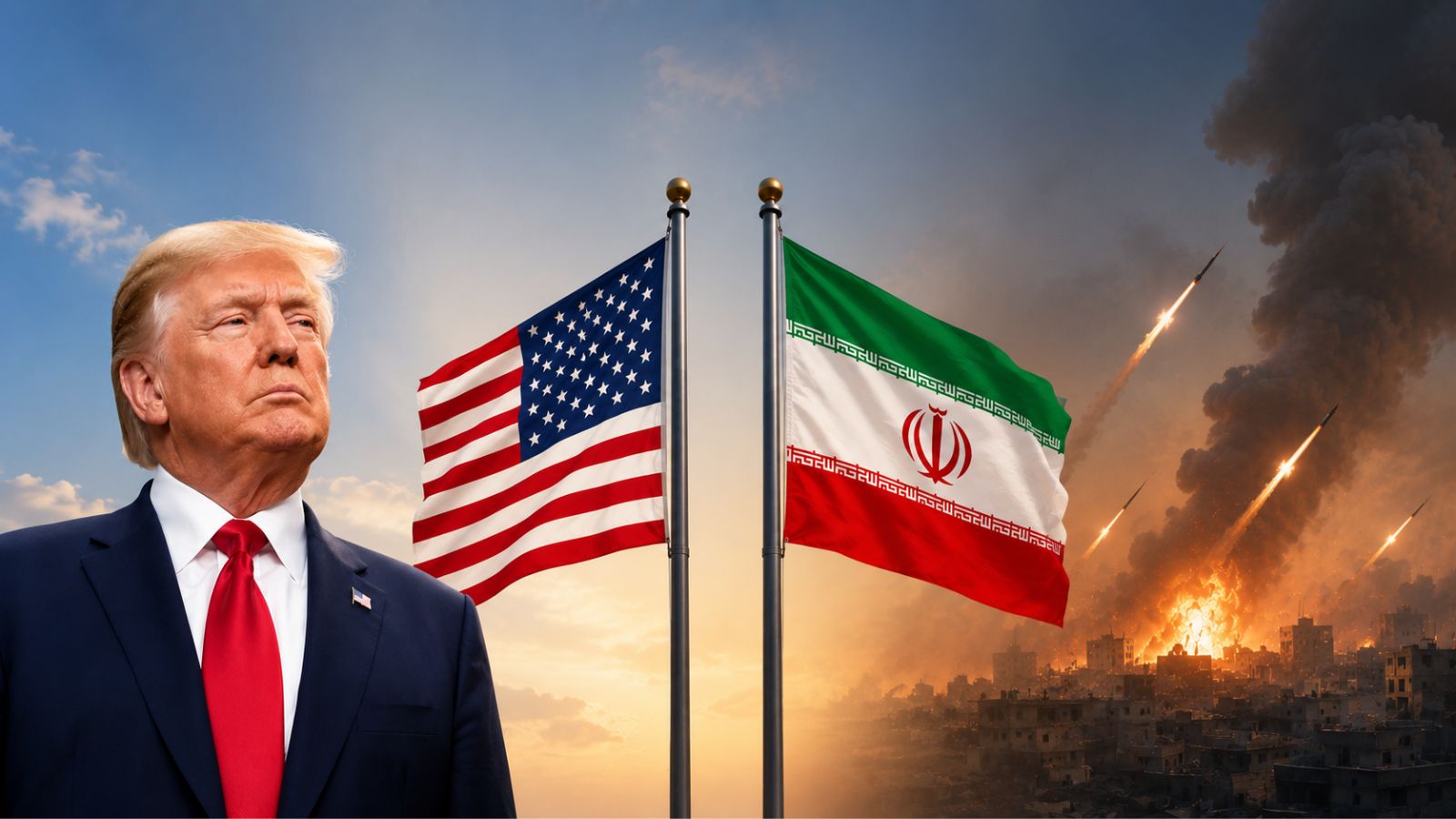
The US President said he discussed denuclearisation with Xi during the summit but declined to reveal details of the conversation. On Iran, Trump said he would support an arrangement in which Tehran suspended its nuclear programme for 20 years, provided the commitment was genuine and enforceable.
Trump further revealed that he was considering lifting sanctions on Chinese oil companies accused of purchasing Iranian oil, saying a decision could come within days. The remarks come at a time of heightened geopolitical tensions in West Asia and growing international focus on energy security and diplomatic negotiations involving Iran.
The US President also confirmed that fentanyl trafficking was among the subjects discussed with Xi, an issue Washington has repeatedly raised with Beijing amid the opioid crisis in the United States.
Story continues below this ad
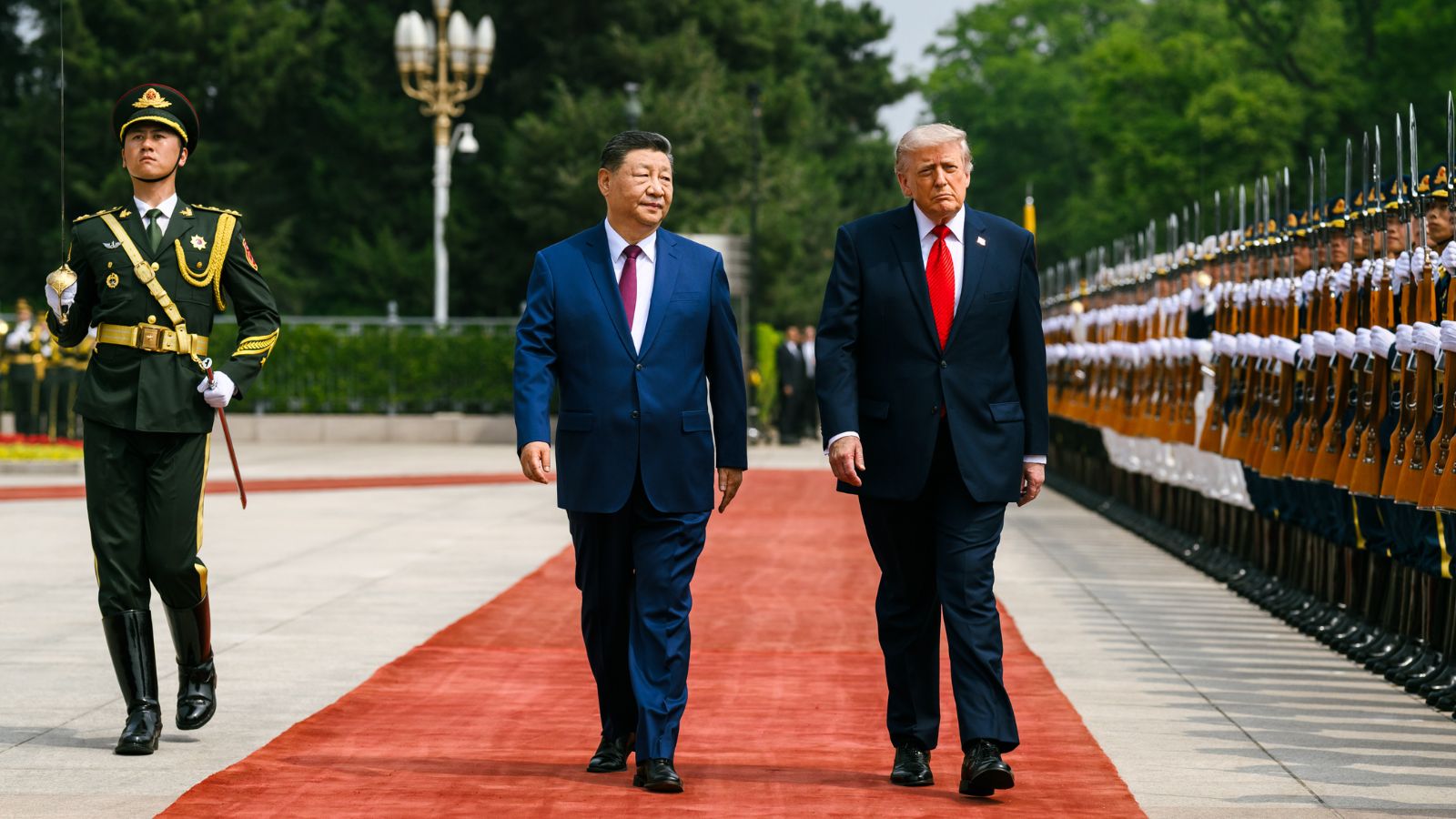 Trump further revealed that he was considering lifting sanctions on Chinese oil companies accused of purchasing Iranian oil. (Photo: X/@WhiteHouse)
Major trade deals and Boeing agreement
Economic ties featured prominently during Trump’s post-summit remarks. He announced that China had agreed to purchase 200 Boeing aircraft, with a potential commitment that could eventually expand to 750 planes.
Trump added that the Boeing jets would use General Electric engines, underscoring the potential boost for major American manufacturers and exporters.
The US President also highlighted what he described as significant gains for the American agricultural sector, saying China would buy billions of dollars worth of soybeans from US farmers.
“The farmers are going to be very happy,” Trump said, adding that American farmers stood to benefit substantially from new trade understandings reached with Beijing.
Story continues below this ad
The comments reinforced the central role of trade and manufacturing in Trump’s China outreach, with both sides attempting to stabilise economic ties despite ongoing strategic competition.
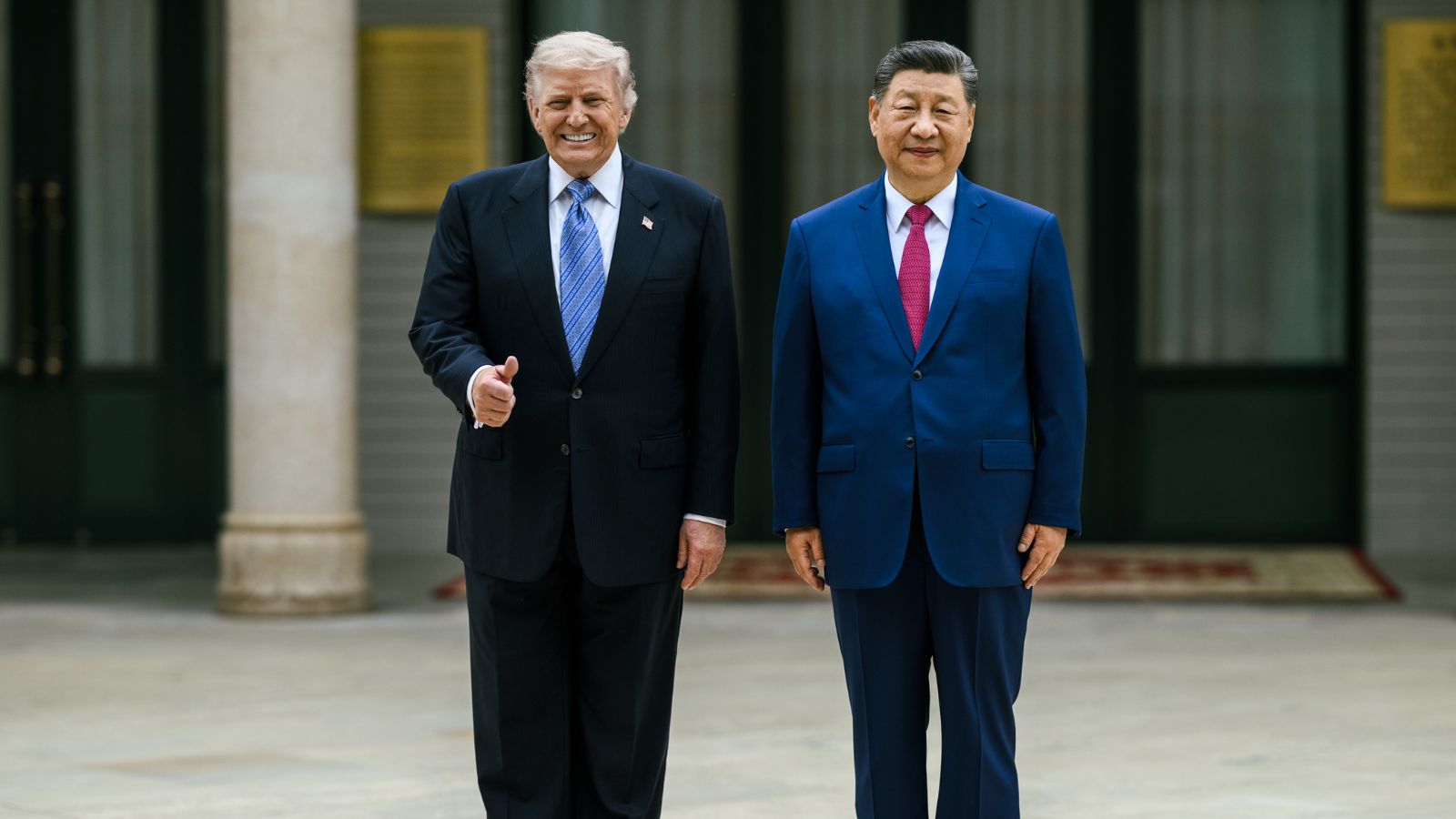 The US President also highlighted what he described as significant gains for the American agricultural sector, saying China would buy billions of dollars worth of soybeans from US farmers. (Photo: X/@WhiteHouse)
Human rights, diplomacy and global politics
Trump also touched on human rights concerns during his remarks. He said Xi had indicated he was “seriously considering” the release of pastors detained in China, although Trump described the case of Hong Kong media entrepreneur Jimmy Lai as “a tough one.”
Trump briefly commented on international political developments outside the summit, saying British Prime Minister Keir Starmer would face political difficulties unless the UK government addressed immigration and energy policy more aggressively.
He declined to comment on reports concerning a possible indictment involving Cuba Castro, saying the matter would be left to the US Justice Department.
Story continues below this ad
The two-day summit featured full state honours, a bilateral meeting at the Great Hall of the People and a state banquet hosted by Xi. During the banquet, both leaders adopted a notably warm tone.
Trump referred to Xi as “my friend” and invited the Chinese leader and his wife to visit Washington in September. Xi, meanwhile, described US-China relations as the world’s most consequential bilateral relationship and warned that both countries “must not mess it up.”