3 min readMay 19, 2026 01:04 PM IST
Written by Utkarshini Gupta
Tehran has institutionalised its control over the Strait of Hormuz by formally launching the Persian Gulf Strait Authority (PGSA), declaring that no vessel may transit the strategic waterway without its explicit approval, CNN reported.
The announcement came through a pointed social media move. Iran’s Supreme National Security Council shared the PGSA’s new official X account on Monday, signalling that Tehran is formalising its control over Strait of Hormuz traffic into a permanent institutional framework. In its debut post on @PGSA_IRAN, the authority declared: “In the Name of God. The official X account of the Persian Gulf Strait Authority (#PGSA) is now live. Follow us for real-time updates on the Hormuz Strait operations and latest developments.” Iran’s Revolutionary Guards Navy promptly reshared the same post, leaving no ambiguity about who stands behind the authority.
2/
دریانوردی در حریم معرفی شدهٔ تنگه هرمز، که حدود آن پیش از این از سوی نیروهای مسلح و مقامات جمهوری اسلامی ایران تعیین شده، منوط به هماهنگی کامل با این نهاد است و عبور بدون مجوز، غیرقانونی تلقی خواهد شد.— PGSA | نهاد مدیریت آبراه خلیج فارس (@PGSA_IRAN) May 18, 2026
Who must comply — and what it costs
The PGSA announced in its May 18 post on X that it is now the “legal entity and representative authority” responsible for managing passage through the Strait of Hormuz on behalf of the Iranian government. The compliance burden is extensive. Shipping companies must provide more than 40 items of information – including a ship’s identification number, origin, destination, cargo details, and the nationalities of crew members, owners, and operators.
The price of passage is steep. No official tariff has been published, but some vessels have reportedly already paid up to $2 million per transit, with payments made in Chinese yuan.
Illegal without permission
The PGSA stated that navigation within the boundaries defined by Iranian authorities requires “full coordination” with Iran’s armed forces and relevant agencies, and that passage without permission would be considered illegal. Ebrahim Azizi, chairman of Iran’s parliamentary National Security Committee, made Tehran’s position clear – only commercial vessels cooperating with Iran would benefit from the arrangement, and the route would remain closed to operators of the US-led “freedom project.”
World pushes back, shipping chokes
The international community has firmly rejected Iran’s framing. Under United Nations Convention on the Law of the Sea (UNCLOS), the Strait of Hormuz falls under the transit passage principle protecting uninterrupted international shipping – a convention Iran signed but never ratified. The US, Gulf states, and European nations have all rejected the legality of Iran’s fee regime, CNN reported.
Story continues below this ad
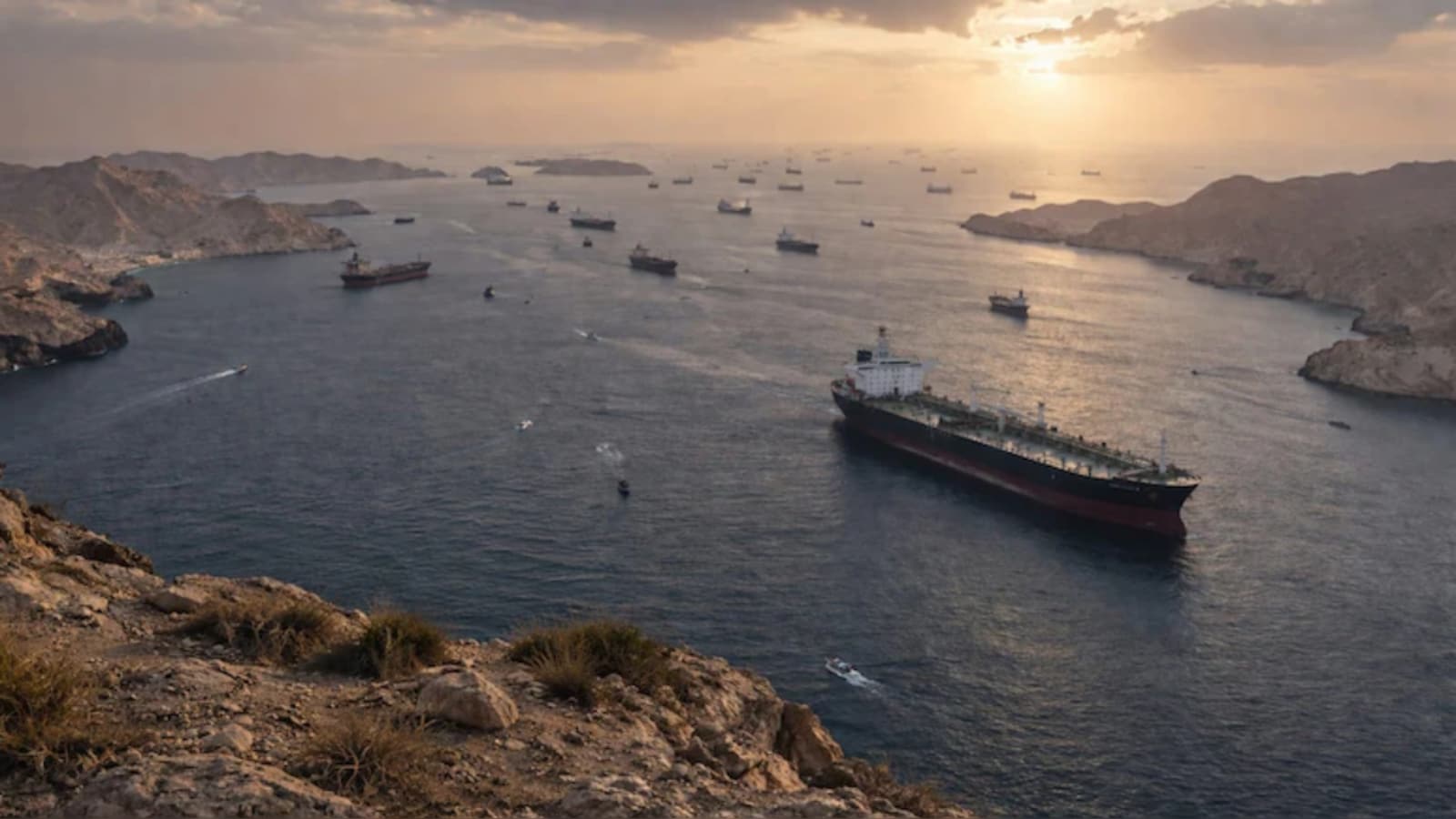
The human cost to global trade is already severe. Only 40 ships crossed the strait in the entire week ending May 3 – against a pre-war daily average of 120 crossings. With roughly one-fifth of the world’s seaborne oil and LNG normally moving through the chokepoint, analysts warn that even partial, sustained Iranian control could reshape global energy markets for years.
(Utkarshini Gupta is an intern with The Indian Express)
Stay updated with the latest – Click here to follow us on Instagram
© IE Online Media Services Pvt Ltd