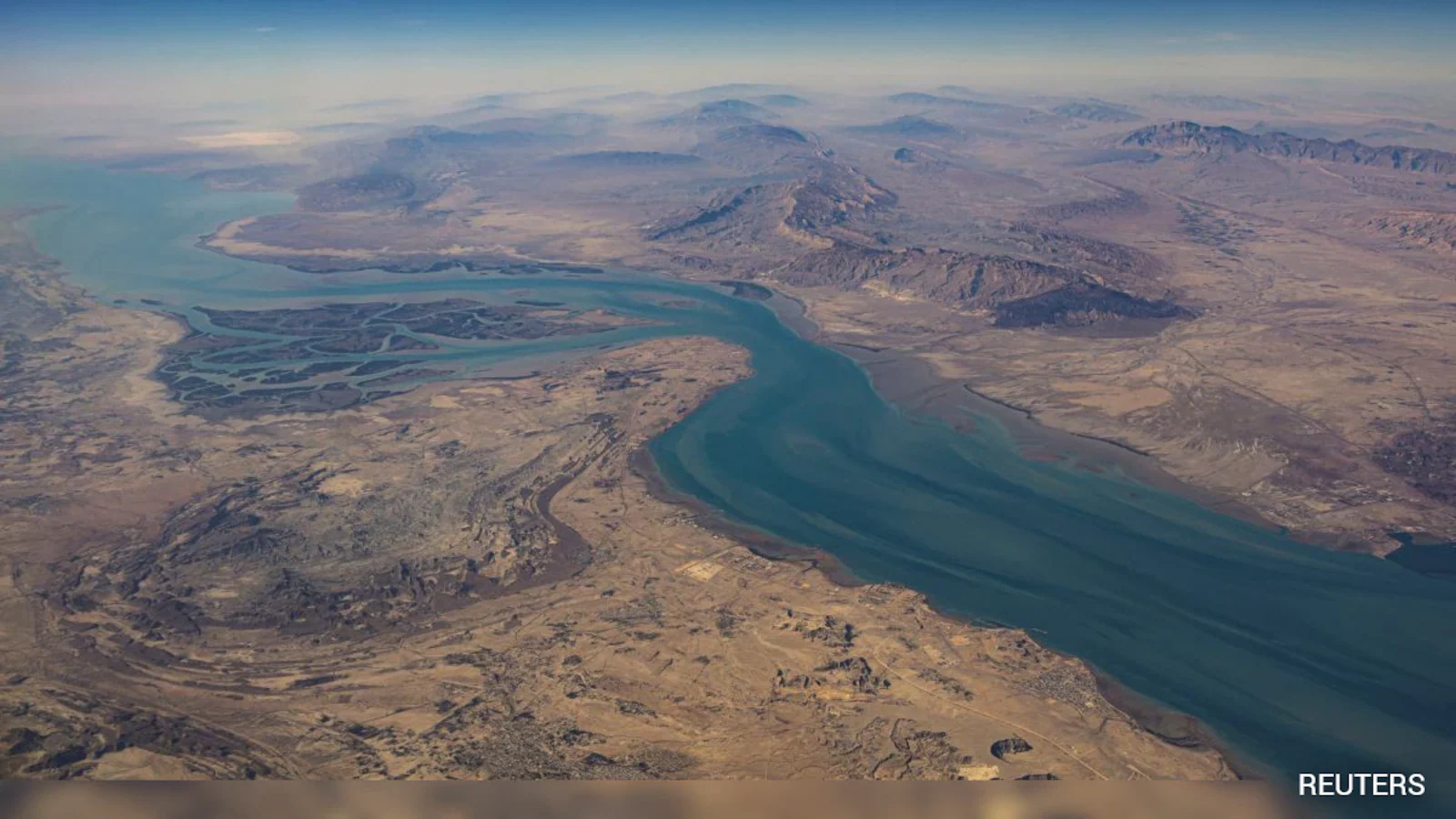
NATO is discussing the possibility of helping ships pass through the blocked Strait of Hormuz if the waterway isn’t reopened by early July, according to a senior official in the military alliance.
The idea has support from several members of the North Atlantic Treaty Organisation, but doesn’t yet have the necessary unanimous support, said a diplomat from a NATO country. Both officials spoke on the condition of anonymity. Leaders from NATO countries will meet in Ankara July 7-8.
Such a move would represent a shift in the military alliance’s strategy toward the US-Israeli war in Iran. Thus far, allies have insisted they would only be involved in the strait once fighting has stopped and they can form a broad coalition that includes many non-NATO countries.
But economic woes are deepening, with the strait’s closure sending energy prices soaring and growth forecasts tumbling.
A spokesperson for the North Atlantic Treaty Organisation didn’t immediately reply to a request for comment.
Iran initially blocked the Strait of Hormuz – which transits roughly a fifth of global oil and liquefied natural gas supplies – after the US and Israel began bombing the country in late February.
The passageway has since become a source of tension between the US and its European allies in NATO, who refused to heed President Donald Trump’s demands that they help reopen the strait.
Trump has repeatedly fumed about the reaction and Washington recently announced it would withdraw 5,000 troops from Germany.
The senior NATO official said that while some allies still oppose authorising an alliance mission for the strait, they would rally around the idea if the blockage persists.
The NATO diplomat said that several allies do support intervening to help reopen the strait, but cautioned that others are still reluctant to be dragged into the conflict.
Some NATO members like Spain have been unequivocal in their opposition to the war. Madrid even barred the US from using its airspace and bases to attack Iran.
Most allies, however, have quietly granted access to their bases to provide logistical support.
A coalition led by France and the UK is also developing a plan to help secure navigation in the Strait of Hormuz once the fighting abates. Some countries have even positioned assets in the area in preparation.
That hasn’t been enough to placate Trump, whose anger has been specifically targeted at Germany. So far, however, the US has made no formal request for NATO involvement in the strait, Bloomberg previously reported.
(Except for the headline, this story has not been edited by NDTV staff and is published from a syndicated feed.)