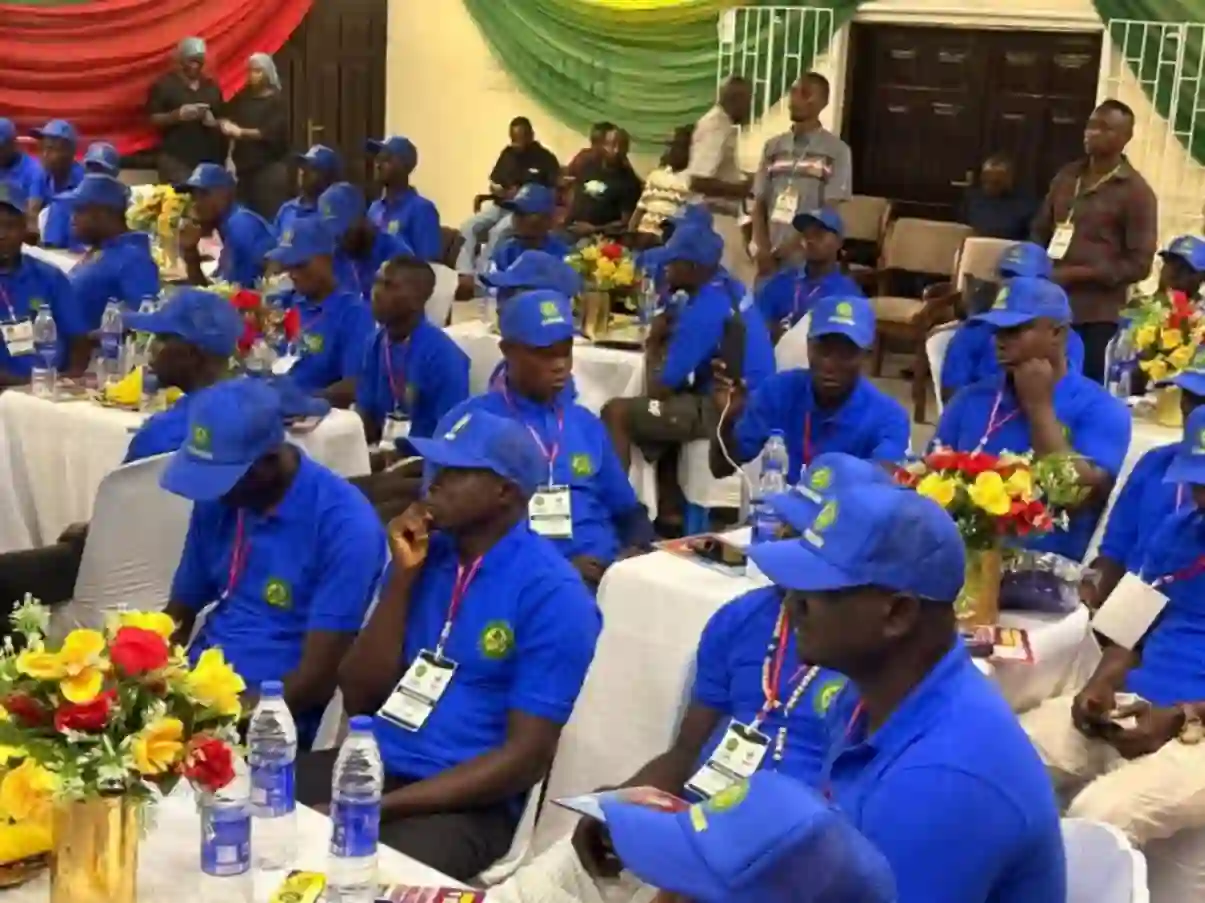
The Nigerian Content Development and Monitoring Board (NCDMB) has flagged off a Skills Acquisition Programme on Rigging and Scaffolding for youths at the Petroleum Training Institute (PTI), Effurun, Delta State, as part of efforts to strengthen local capacity in Nigeria’s oil and gas industry.
The programme is designed to equip young Nigerians with practical technical skills required across different operations in the energy sector, while also improving employability and supporting human capital development.
NCDMB said the initiative aligns with its mandate under the Nigerian Oil and Gas Industry Content Development (NOGICD) Act, which seeks to increase indigenous participation and build a skilled Nigerian workforce capable of meeting industry demands.
The Board’s delegation to the event was led by the Manager, Government Relations, Mr. Teddy Bai, alongside other officials of the agency.
Participants in the training are expected to receive hands-on instruction in rigging and scaffolding operations, including safety procedures, technical standards and industry best practices used within the oil and gas sector.
Rigging and scaffolding remain critical areas in upstream and downstream operations, particularly in construction, maintenance and offshore activities. Industry stakeholders have repeatedly stressed the need for more trained local professionals as operators continue to prioritise Nigerian content development and local workforce participation.
The training programme also reflects broader efforts by NCDMB to bridge technical skill gaps among Nigerian youths through targeted capacity development initiatives.
Speaking on the importance of such programmes, the Board noted that building industry-relevant competencies among young Nigerians is essential to sustaining local content growth and improving access to employment opportunities in the energy sector.
The initiative is expected to contribute to the development of a stronger local talent pipeline, especially at a time when demand for certified technical manpower continues to grow across Nigeria’s oil and gas industry.