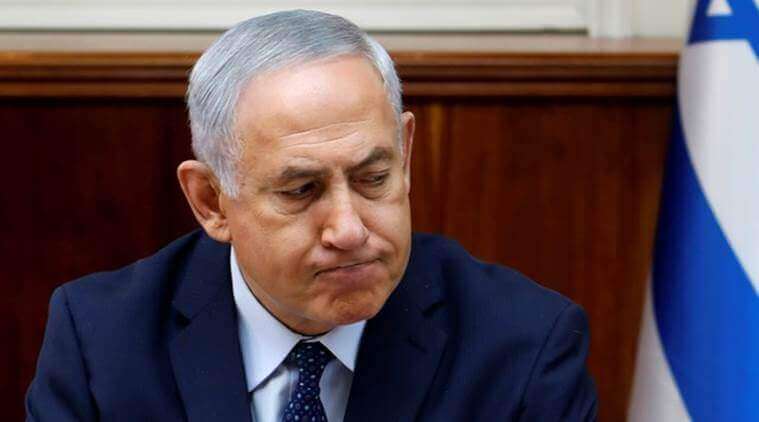
Tuesday’s session focused on Case 2000, following the completion of his cross-examination in Cases 1000 and 4000.
Netanyahu faces charges of bribery, corruption and breach of trust across three separate cases, with indictments filed in November 2019.
Case 1000 centres on allegations that he and members of his family received expensive gifts from wealthy businessmen in exchange for favours.
Case 2000 involves an alleged arrangement with Arnon Mozes, publisher of the Yedioth Ahronoth newspaper, for favourable media coverage.
Case 4000, the most serious, accuses Netanyahu of granting regulatory decisions worth hundreds of millions of shekels to Shaul Elovitch, former owner of the Walla news website and a senior executive at telecommunications company Bezeq, in exchange for positive coverage.
Since the trial began, Netanyahu has consistently denied all wrongdoing, describing the proceedings as a political campaign aimed at overthrowing him.
Under Israeli law, a presidential pardon cannot be granted unless the defendant acknowledges guilt, a condition Netanyahu has refused to meet.
United States President Donald Trump has repeatedly pressured Israeli President Isaac Herzog to grant a pardon regardless, but Herzog has so far declined, stating that any decision will be made solely in accordance with Israeli law.
In addition to the domestic corruption trial, Netanyahu has been subject to an International Criminal Court arrest warrant since 2024 on charges of war crimes and crimes against humanity in Gaza, where more than 72,000 people have been killed since the outbreak of war in October 2023.