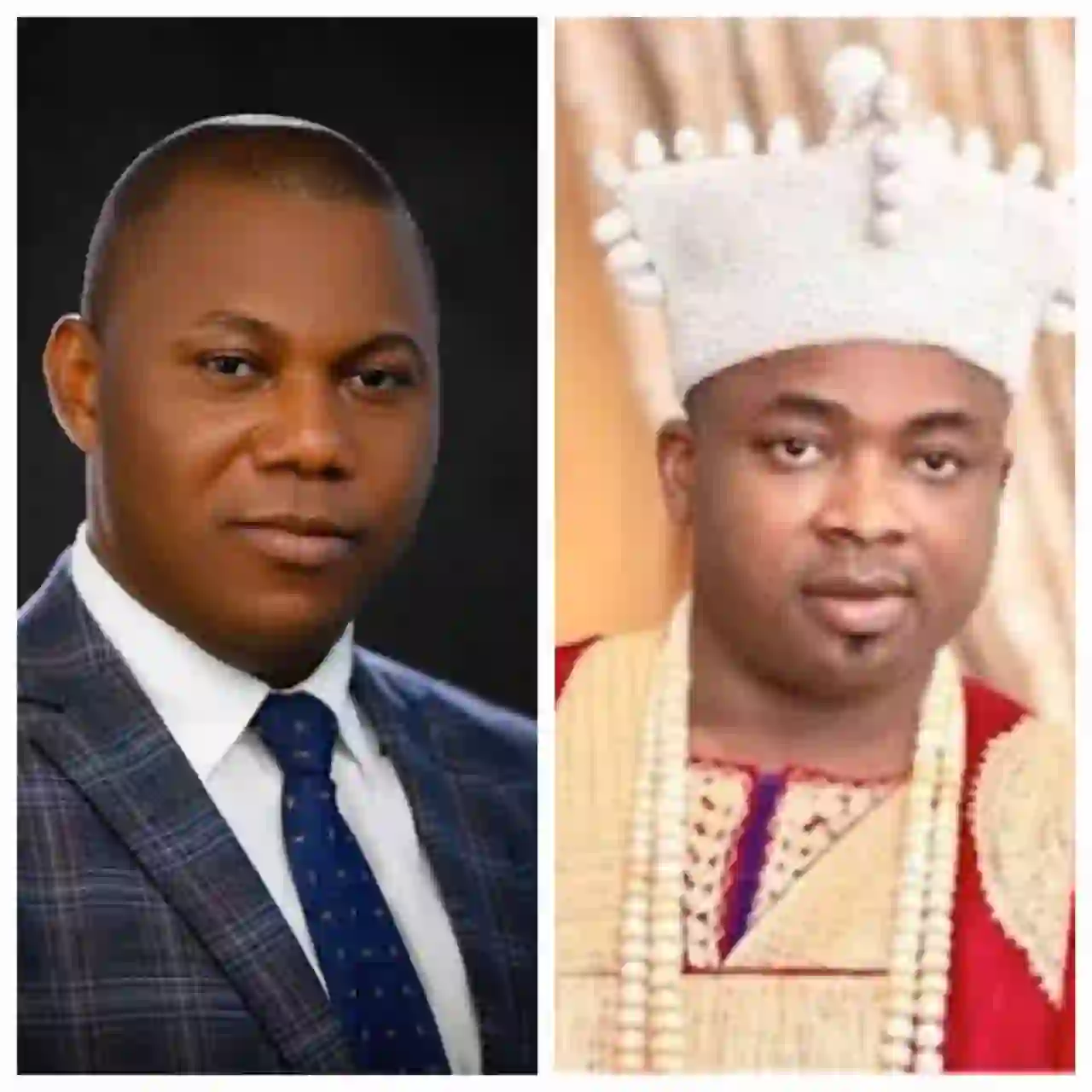
The controversy surrounding the APC primaries in Lagos has taken a new turn following attempts to link the Elegushi Palace to the outcome of the party’s internal process. However, many observers insist that dragging Oba Saheed Ademola Elegushi into partisan disagreements is both unfair and damaging to the integrity of the traditional institution.
As a traditional ruler, Oba Elegushi occupies a position that demands neutrality, unity, and leadership across political, religious, and social divides. The palace, by tradition and public responsibility, is expected to serve all members of the community equally and not function as an extension of any political group or aspirant.
Reacting to the allegations, Oba Elegushi reportedly denied any involvement in the APC primary process, describing claims of interference as false, politically motivated, and inconsistent with his long-standing reputation for neutrality and statesmanship.
The Elegushi Royal Family also defended the monarch, warning against efforts to drag the throne into political disputes arising from internal party disagreements and post-primary grievances. According to the family, the dignity and integrity of the palace should not become casualties of political frustration.
Political observers have pointed out that the APC has always operated on the principle of party supremacy, where party decisions and internal arrangements often outweigh individual ambition or popularity. Within the Lagos APC structure, aspirants have historically emerged or stepped aside based on party consensus and internal calculations rather than external influence.
Supporters of the monarch further argue that history itself weakens the allegations against him. During a previous political contest involving his younger brother, reports indicated that despite winning a primary process, the monarch’s brother was asked to step aside in line with party decisions. At the time, Oba Elegushi neither challenged the party nor used palace influence to alter the outcome.
Many believe this demonstrates the monarch’s respect for party authority and raises questions about claims that he would suddenly interfere in favour of another political figure.
It was also noted that Hon. Noheem Babatunde Adams has maintained a cordial relationship with Oba Elegushi over the years, benefiting from the monarch’s open and accommodating disposition toward political stakeholders across different divides.
However, political analysts argue that personal relationships cannot override party structures, especially in a political environment where party supremacy remains central to decision-making. Once party decisions are reached, traditional rulers have limited or no authority to reverse such outcomes.
Observers have therefore cautioned against turning political disappointment into attacks on traditional institutions, stressing that disputes arising from party primaries should be handled through lawful party channels and internal negotiations rather than public accusations against revered royal institutions.
Oba Elegushi has consistently maintained a public stance centred on peace, community development, inclusiveness, and respect for democratic processes regardless of political affiliation, religion, or ethnicity.
Analysts say the ongoing controversy reflects more about the realities of APC internal politics than any alleged palace involvement. According to them, the APC’s long-established culture of party supremacy continues to shape political outcomes, often placing party decisions above personal expectations or individual interests.
Attention has also been drawn to the political experience of Hon. Noheem Babatunde Adams, who has represented Eti-Osa Constituency I in the Lagos State House of Assembly since emerging through a bye-election in September 2017. Given his years within the political system, many believe he understands the complex negotiations and realities that often influence party primaries.
As Lagos prepares for another political season, stakeholders continue to stress the importance of protecting traditional institutions from political conflicts, insisting that maintaining a clear boundary between party politics and royal institutions remains vital for democratic stability and respect for the throne.