By Oluwole Solanke PhD, FCIB
Introduction
A leadership title in higher education often arrives with applause, ceremony, and a sense of achievement. Offices change, responsibilities expand, and influence grows. Yet beneath all the prestige lies a quiet but profound truth, one that every thoughtful leader must confront early: the institution you lead is not yours.
Universities, polytechnics, and colleges are not personal empires. They are living legacies, built by visionaries, sustained by scholars, and entrusted to leaders for a season. Within their walls reside not just classrooms and offices, but ideas, values, histories, and futures waiting to be shaped. To lead such an institution, therefore, is not to possess it, but to protect and advance it.
“Great institutions are never built by one leader, but they can be weakened by one.”
The danger begins when leadership is mistaken for ownership. When authority is personalized, decisions lose their objectivity, and the institution gradually bends to individual will rather than collective purpose. What should be a place of shared growth becomes vulnerable to ego, short-term thinking, and fragile systems.
But there is a higher calling, a more enduring philosophy of leadership known as stewardship.
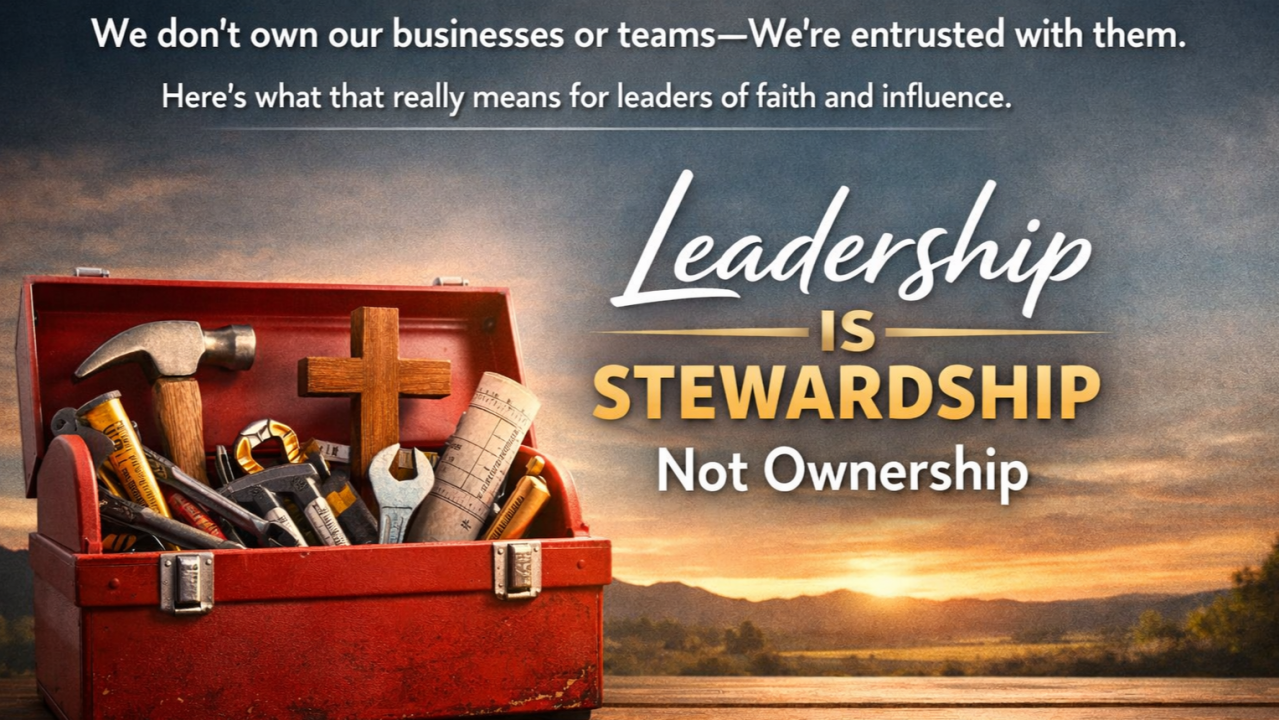
Stewardship invites leaders to see themselves not as owners, but as caretakers of trust. It demands a shift from control to responsibility, from self-interest to institutional interest, from temporary power to lasting impact. It calls for humility in decision-making, wisdom in vision, and discipline in conduct.
“Leadership is not about how much you control, but how well you preserve and improve what you were given.”
In higher education especially, where knowledge shapes society and character shapes generations, the stakes are even higher. Every policy, every appointment, every reform carries consequences that extend far beyond the present moment.
This article explores leadership through the lens of stewardship, challenging leaders to rise above ego, embrace responsibility, and build institutions that will stand stronger long after their tenure has ended.
“The true test of leadership is not what you achieve while in office, but what endures when you leave.”
The question, then, is simple but profound: Are you leading as an owner, or serving as a steward? Let’s discuss these dimensions.
1. Stewardship and Institutional Memory: Honouring the Past While Leading the Present
Every great institution carries a memory, traditions, values, and lessons shaped over time. A steward does not discard the past in a rush to appear innovative; they build on it with wisdom.
“A leader who ignores history risks repeating its failures.”
“Stewardship begins with respect for the shoulders you stand on.”
2. Stewardship and Vision: Seeing Beyond Your Tenure
A steward-leader resists the temptation of short-term glory. Their vision stretches beyond their years in office.
“Do not plant trees only for your shade, but for generations yet unborn.”