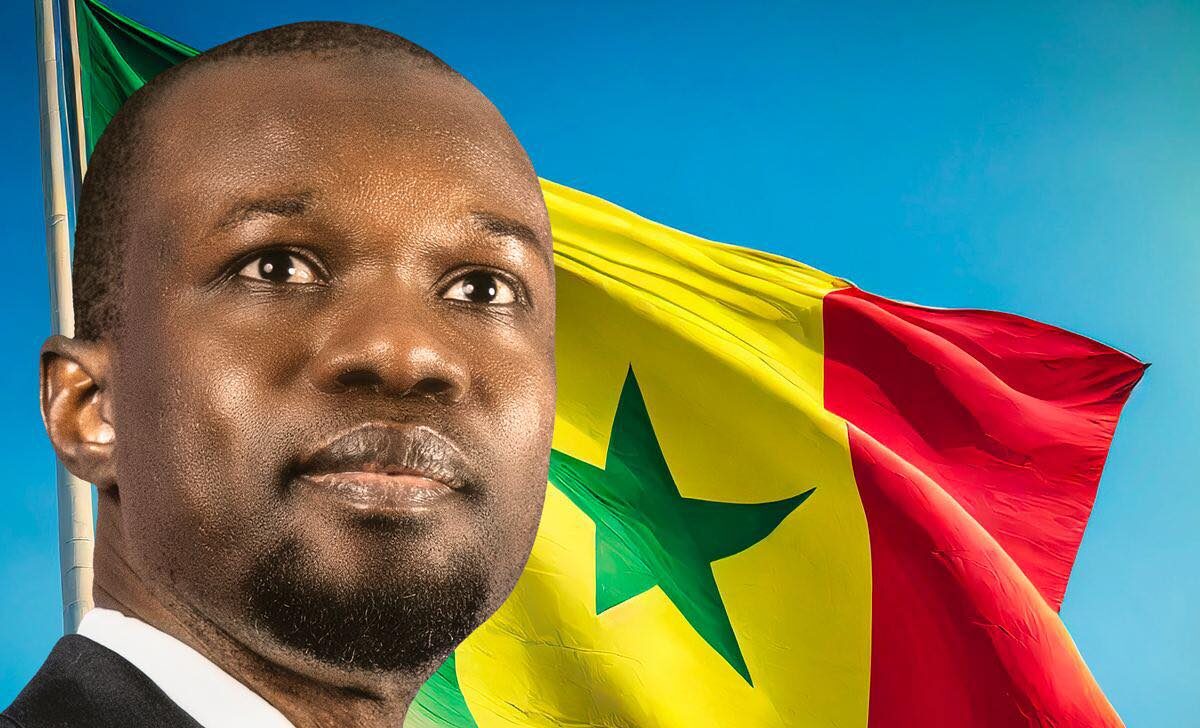
Mr Sonko was elected president of the National Assembly with 132 of the 133 votes cast.
The Senegal parliament has elected Ousmane Sonko as the speaker of the National Assembly in a dramatic political comeback that will most likely deepen the power struggle at the top of Senegal’s ruling movement.
He was elected four days after President Bassirou Faye fired him as prime minister and only a few hours after his official reinstatement as a lawmaker.
Mr Sonko, who was a major opposition figure under Macky Sall’s administration, returned to the parliament on Tuesday. He was first reinstated as a lawmaker, then installed as the deputy speaker, and eventually elected the speaker of the assembly.
Mr Sonko was elected president of the parliament with 132 votes cast in his favour. This victory is made possible by the ruling Patriotes Africains du Sénégal pour le Travail, l’éthique et la Fraternité (PASTEF) party’s overwhelming parliamentary majority.
The former prime minister has a strong influence within the party and remains one of the most powerful figures in Senegalese politics.
But legal experts and opposition figures described his return to parliament as illegal and in contravention of the constitution.
They argue that his return violates the provisions of Article 54 of the national constitution, which states that, “Membership in the government is incompatible with a parliamentary mandate and any paid public or private professional activity.”
Senegalese opposition figures insisted that Mr Sonko lost the right to sit in parliament once he joined the government. However, supporters of the former prime minister rejected this interpretation, arguing that the constitutional provision merely prevents the simultaneous exercise of executive and legislative duties.
They stated that the Constitutional Council officially validated Mr Sonko’s election and that it was never legally challenged within the stipulated deadline.
His election as speaker now positions him as a political counterweight within Senegal’s ruling establishment ahead of the 2029 elections.
PREMIUM TIMES reports that President Faye dismissed Mr Sonko after months of friction between the once-close political allies. Mr Sonko had backed Mr Faye in the presidential election after being barred from running in a defamation ruling.
But friction emerged over an increasingly visible power struggle for control of the government, as well as disagreements over economic policy and IMF negotiations.
In 2024, the IMF suspended its $1.8 billion lending programme to the country after authorities uncovered previously misreported debt figures. The suspension raised the country’s end-2024 debt burden to 132 per cent of GDP.
Mr Sonko believed that President Faye was drifting away from the party’s original agenda and had previously threatened to pull PASTEF out of government and return to the opposition.
Days after Mr Sonko’s dismissal from office, Mr Faye appointed Ahmadu Al Aminou Lo, an economist and former banker at the Central Bank of West African States, as the new prime minister.
Meanwhile, Senegal’s parliament speaker, El Malick Ndiaye, stepped down from his post to give room for Mr Sonko’s election.