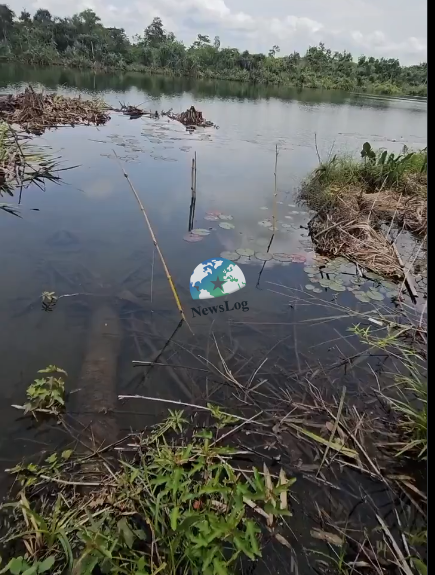
Ezeagu, Enugu State – Terrifying warnings are spreading like wildfire across social media about Heneke Ocean (also known as Iheneke Lake), a mysterious and highly dangerous body of water in Ezeagu Local Government Area that locals and visitors are being urged to avoid completely.…....
According to viral reports, this so-called “ocean” is one of the most hazardous natural sites in Nigeria. Witnesses claim the water dramatically changes color by 12 pm (noon), transforming in a way that many describe as eerie and unnatural.
The lake is reportedly teeming with deadly wildlife, including aggressive crocodiles, massive pythons, and even electric fish capable of delivering powerful shocks. Residents have labeled it a complete “no-go zone” and “no swim zone,” warning that venturing into or near the water could prove fatal.
“Most Dangerous ocean in Nigeria. It changes color by 12 pm. It’s filled with crocodile and fishes both electric fish and python.. it’s a no go zone or no swim zone be careful of this water in Ezeagu. Heneke Ocean is the name,” one widely shared warning reads.
While officially known as Heneke Lake or Iheneke Lake, part of the Ezeagu Tourist Complex, the sensational claims have sparked massive online panic. The freshwater lake, surrounded by bamboo trees and lush vegetation, is home to various animals including pythons, crocodiles, and other species, making it a unique but potentially risky natural attraction.
Authorities have not issued any official statement confirming the color-changing phenomenon or the presence of electric fish, but locals familiar with the area emphasize caution due to the wildlife presence.
The viral posts have drawn mixed reactions, with some users planning adventurous trips to witness the alleged color change, while others express fear and advise staying far away.
This story continues to trend, raising questions about hidden dangers in Nigeria’s natural tourist sites and the safety of visitors exploring remote water bodies.