By Ekani Olikita
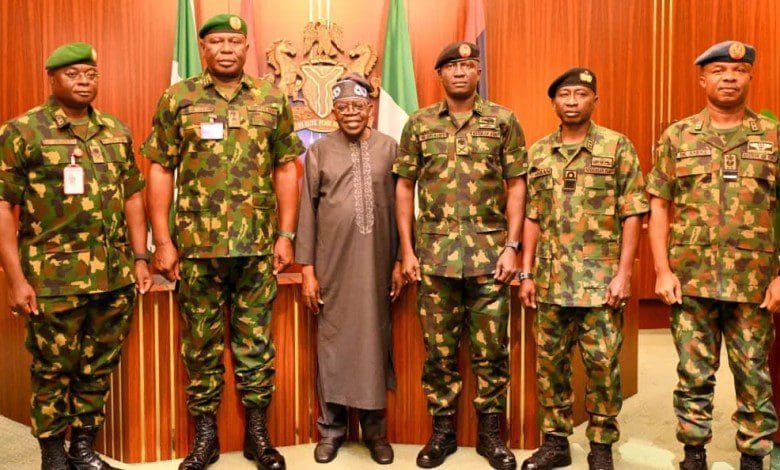
Nigerian President Bola Ahmed Tinubu has secured the presidential ticket of the ruling APC for the 2027 election amid growing national discontent.
However, the victory has sparked fierce criticism from opposition figures, civil society groups and many Nigerians frustrated by worsening insecurity, prolonged electricity shortages and deepening economic hardship.
Tinubu reportedly polled 10.99 million votes in APC primaries conducted across Nigeria’s 8,809 political wards, defeating challenger, Stanley Osifo, who received 16,503 votes
During his acceptance speech on Sunday, May 24, 2026 in Abuja, Tinubu described his re-nomination as an opportunity to “consolidate reform, secure progress and strengthen the foundation of a modern Nigeria.”
Yet outside the celebration halls of Abuja, many Nigerians expressed anger over the state of the country.
Growing Backlash Over Security Crisis
Criticism intensified after a Yoruba socio-cultural organization accused the president of prioritizing his re-election campaign while violence spreads across large parts of Nigeria Mr. Olusola Badero, convener of Tinubu’s Ethnic tribal group, the Yoruba Union Ìgbìnmó Májékóbájé Ilé-Yorùbá, said the administration appeared disconnected from the suffering of ordinary citizens facing terrorism, kidnappings, and armed attacks.
“Citizens are dying daily while Tinubu and his cohorts are already campaigning for 2027. People expected governance and security, not endless political celebrations”, Badero said.
Nigeria has faced persistent attacks from jihadist groups, Fulani Ethnic Militia and armed bandits, particularly in the North-East, North-West, and Middle Belt regions. The country was recently ranked the world’s fourth most terrorism-affected nation in the 2026 Global Terrorism Index.
The report documented a 43 percent rise in terror incidents and a sharp increase in civilian deaths.
According to [The Guardian] insecurity in Nigeria has worsened despite military operations and international support, with experts pointing to weak governance, overstretched security forces and vast ungoverned spaces exploited by extremist groups.
Opposition Attacks Tinubu Over Electricity Failure
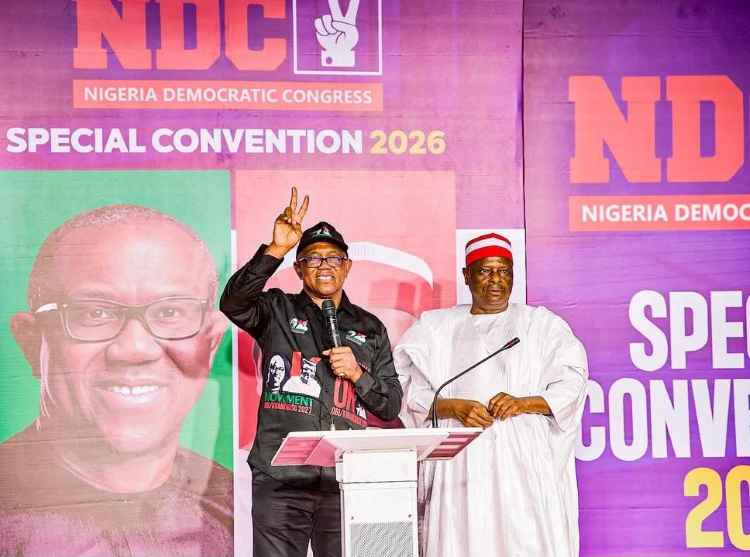
Opposition leader Peter Obi also criticized Tinubu over Nigeria’s worsening electricity crisis, reviving a campaign promise the president made before the 2023 election
During the campaign, Tinubu had vowed to deliver stable electricity or risk losing support for a second term.
“Whichever way by all means necessary, you must have electricity and you will not pay for estimated bills anymore. A promise made will be a promise kept. If I don’t keep the promise and when I come back for a second term, don’t vote for me. That is the truth, unless I give you adequate reason why I couldn’t deliver”, Tinubu said
But Obi argued that Nigeria’s power generation remains below 4,000 megawatts for a population exceeding 200 million people.
“Nigerians are paying more for electricity while receiving less power,” Obi said in a statement earlier this year. “The government has failed to meet one of its most important promises.”
Nigeria continues to record one of Africa’s lowest per-capita electricity consumption rates, forcing millions of households and businesses to depend on expensive fuel-powered generators.
Voices From Lagos and Benue
In Lagos, Nigeria Commercial Headquarters, business owner Adebayo Williams in an interview with TruthNigeria said ordinary citizens feel abandoned.
“We spend most of our income on diesel because electricity is unreliable. Food prices keep rising, insecurity is spreading and politicians are celebrating primaries. Many Nigerians feel forgotten”, Adebayo told TruthNigeria
In Benue State, Central Nigeria (Middle Belt) where repeated attacks by armed Fulani Ethnic Militia have displaced thousands, farmer Terlumun Usha described life as increasingly unbearable.
“People are afraid to sleep in their homes. Farmers cannot safely go to their land. We hear promises from politicians every election season, but communities here continue to bury victims”, Terlumun told TruthNigeria.
Benue has witnessed recurring deadly attacks linked to armed Fulani terrorists, contributing to growing displacement and food insecurity in Nigeria’s agricultural belt.
Analysts Warn of Economic and Security Risks
Security analyst Pablo William warned that Nigeria’s instability could have consequences beyond Africa.
“The combination of terrorism, weak infrastructure and economic decline creates conditions that extremist groups exploit. Nigeria is Africa’s largest economy and most populous nation. If instability deepens, the effects will spread across West Africa through migration pressures, organized crime and regional insecurity”, William told TruthNigeria.
Economic analyst Dr. Sunday Ocheje of the Federal University of Agriculture Makurdi said persistent electricity shortages and insecurity are discouraging foreign investment.
“Investors are reluctant to commit capital where energy supply is unstable and security risks remain high. Without major reforms, unemployment, inflation and poverty could worsen significantly”, Ocheje in a phone interview with TruthNigeria
Why It Matters to the United States
Nigeria is a critical strategic partner of the United States in Africa. It is Africa’s largest oil producer, one of the continent’s biggest economies and a major regional security actor.
Washington has invested heavily in counterterrorism cooperation with Nigeria, particularly against Boko Haram and the Islamic State West Africa Province (ISWAP). U.S. officials also view Nigeria as central to stability in the Sahel region, where extremist violence has surged in recent years.
American policymakers are increasingly concerned that worsening insecurity, economic collapse and political instability in Nigeria could fuel mass migration, regional extremism and disruptions to global energy markets.
Nigeria’s democratic stability is also viewed as symbolically important because it remains Africa’s largest democracy and one of the United States’ most influential partners on the continent.
As political campaigns for 2027 begin to intensify, many Nigerians say the true test for Tinubu’s administration will not be election victories, but whether the government can restore security, stabilize the economy and improve daily life for millions struggling across the country.
Ekani Olikita is a conflict reporter for TruthNigeria.