The gas plant, called Habshan, is operated by Adnoc Gas and is the biggest gas processing facility in the UAE. It helps process natural gas that is used for electricity, industries and exports.
The company said some parts of the plant are still not working, but much of the wider gas network has already been restored. Currently, the facility is operating at about 60% and expects to restore 80% of it by the end of the year, with the aim of fully restoring it by 2027.
Adnoc Gas, in a statement to the Abu Dhabi Securities Exchange, said, “Within a short period, 60% of the complex’s processing capacity was restored and the company is currently working towards achieving 80% restoration by the end of 2026, with full capacity restored in 2027.”
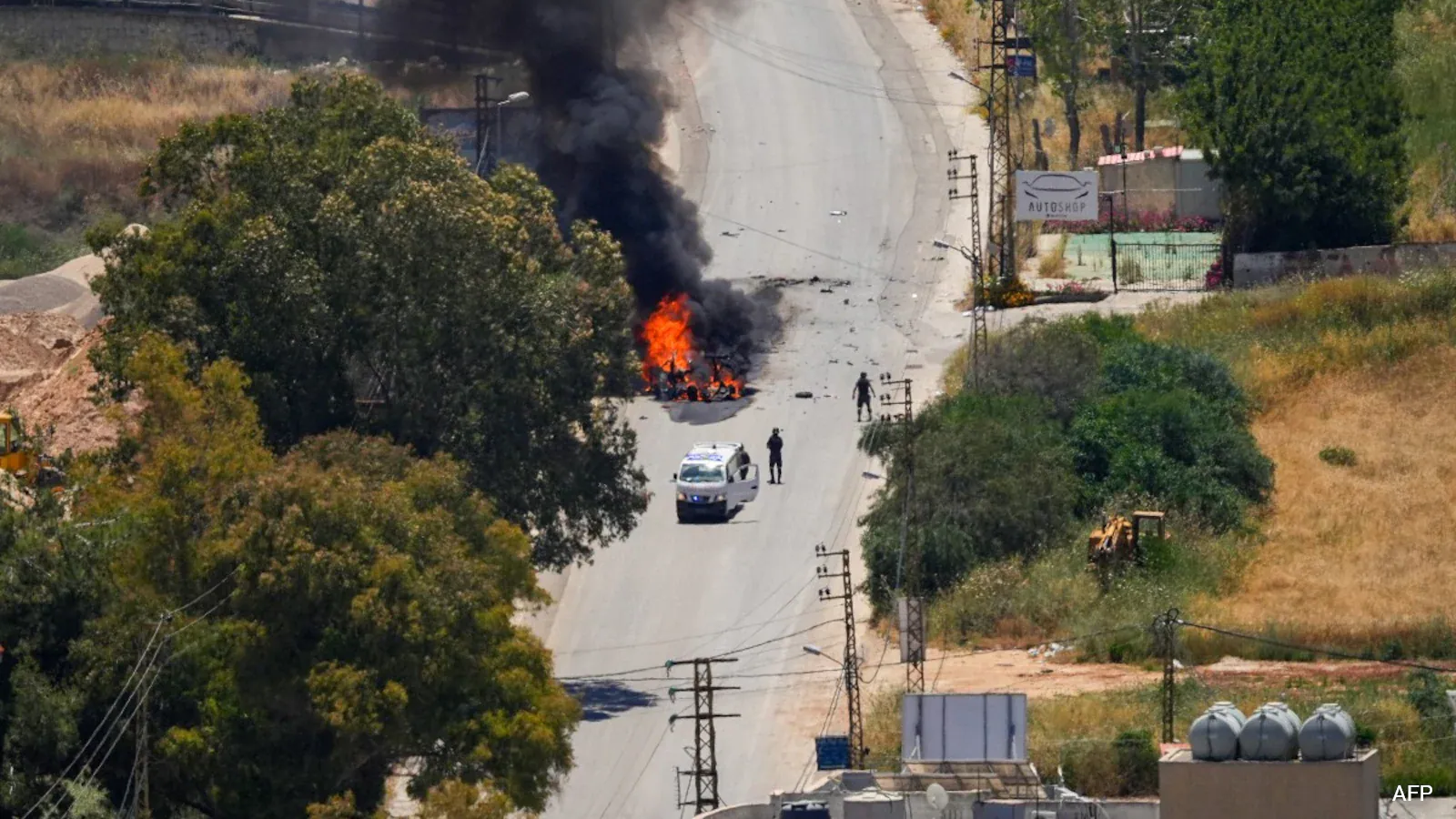
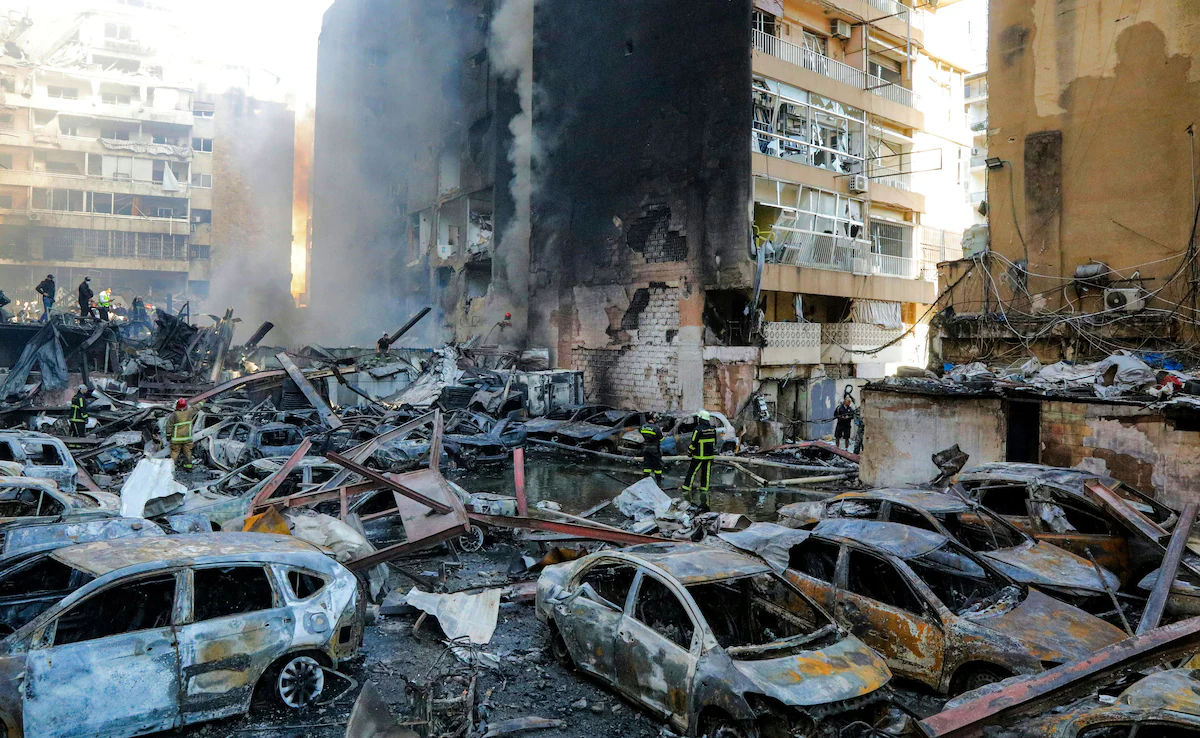
Amid the West Asia war earlier this year, the plant was hit twice in April when Iran increased attacks on energy facilities linked to US allies in the Gulf region. The plant was not bombed directly but debris from drones being intercepted in the air fell onto the facility and caused a fire.
On April 3, two fires broke out at the complex. One person died, and four others were injured in the incident. The company later said the facility had suffered ‘significant damage’. Another incident was reported at the site on April 8.
Adnoc Gas said the Habshan facility has five separate plants and 14 ‘processing trains,’ and together the facility can process about 6.1 billion standard cubic feet of gas every day, making it one of the biggest gas processing sites in the world.
The company said its net profit fell 15% to about $1.1 billion compared to the same period last year. Revenue during the period reached $4 billion, down from $4.66 billion during the same period a year ago. One major reason was that it could not ship liquefied natural gas (LNG) in March.
The UAE is the third-largest LNG exporter in the Middle East and exports around 5 million tonnes every year. The ongoing conflict with Iran has made shipping through the Strait of Hormuz, a key global oil route, very risky since the war began on February 28.
“Increased regional uncertainty and difficult market conditions have caused major disruption in the energy sector and to maritime movements through the Strait of Hormuz,” the company said.
Qatar, which is the region’s biggest LNG producer, also faced similar problems because its exports depend heavily on the same shipping route.