Haifa:
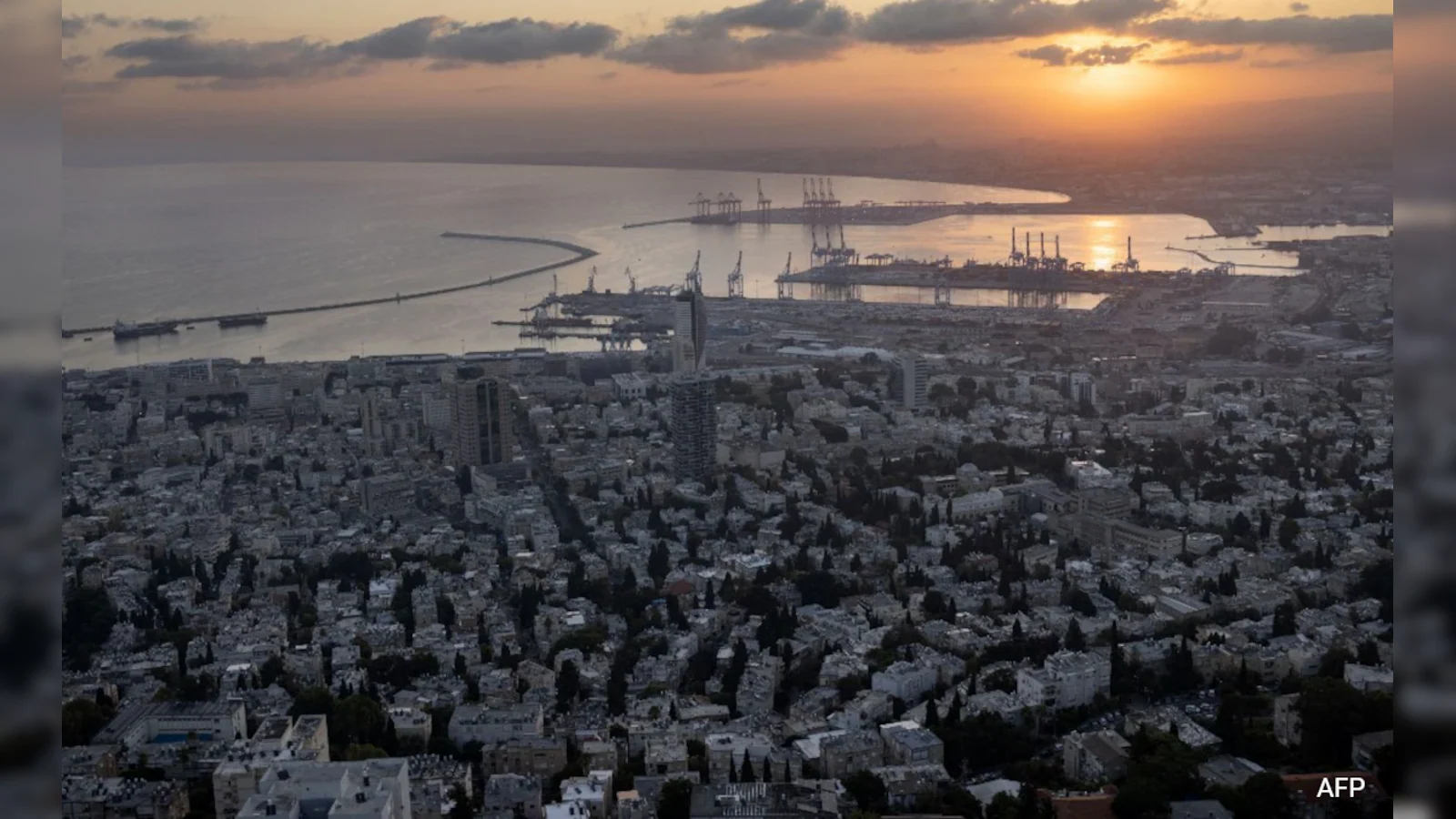
On Israel’s Mediterranean coastline, the Haifa Port stands today not just as one of the country’s busiest maritime hubs, but also as a symbol of India’s expanding strategic and economic footprint in West Asia.
As tensions continue to simmer amid the ongoing regional conflict, the significance of Haifa has grown sharply. For India, this port is no longer only about trade. It is increasingly linked to connectivity, energy security and regional stability.
NDTV’s ground report from Haifa Port comes at a time when Israel remains on high alert across multiple fronts. Despite the volatile security environment, operations continue at the port that has emerged as a key node in India’s larger geopolitical vision.
In 2023, India’s Adani Group, along with Israel’s Gadot Group, formally acquired the Haifa Port in one of India’s biggest overseas infrastructure investments. The move was seen as a major strategic step for New Delhi in West Asia.
The port occupies a crucial position along the Mediterranean Sea and is expected to play an important role in the proposed India-Middle East-Europe Economic Corridor announced during the G20 New Delhi Summit 2023. The corridor aims to connect India with Europe through a network of ports, rail routes and shipping lanes passing through West Asia.
Officials and analysts believe Haifa could become one of the most important transit points in that ambitious connectivity project.
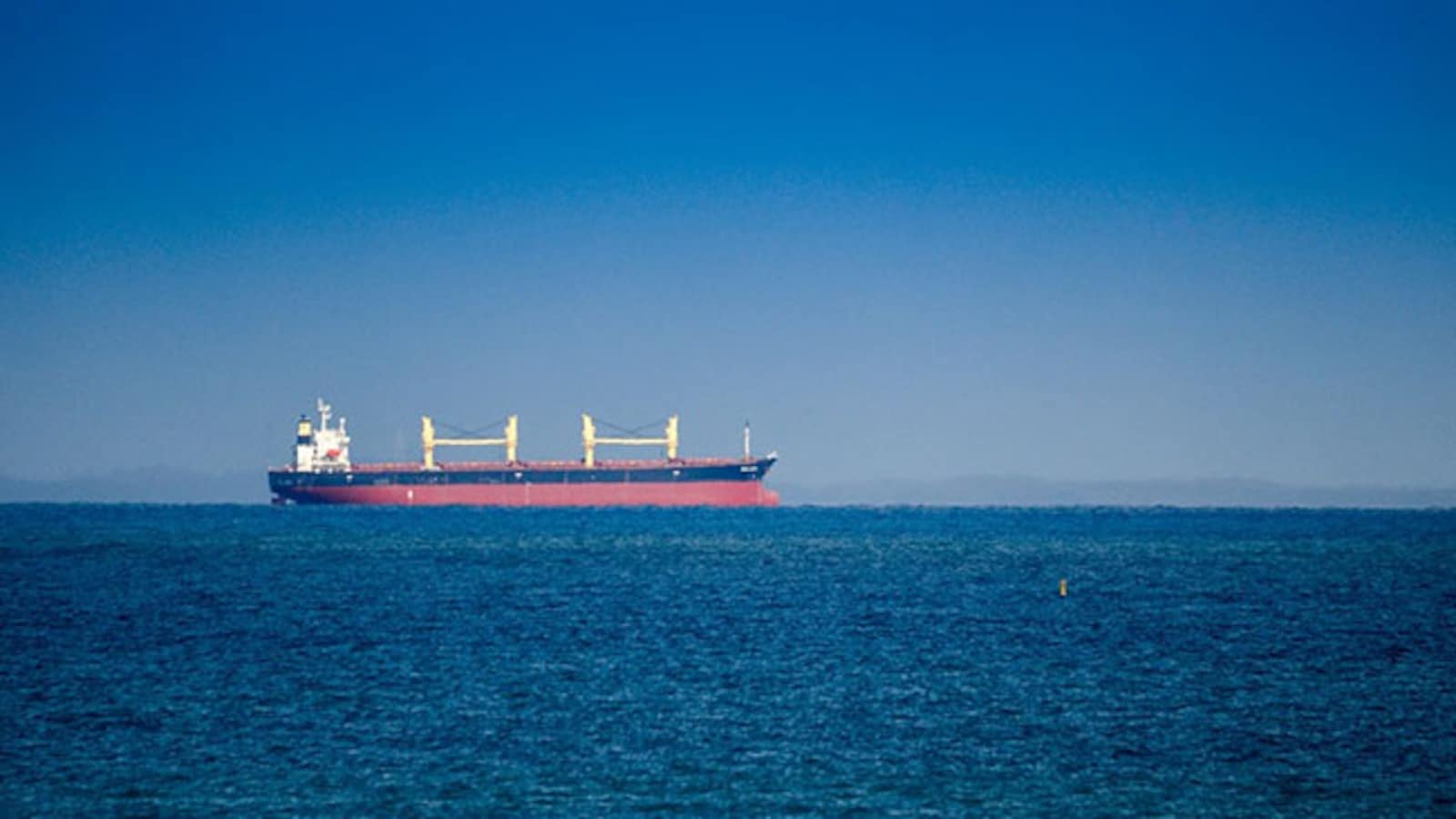
But the ongoing conflict in the Middle East has also exposed how vulnerable global trade routes remain during periods of regional instability. Repeated attacks in the region, including threats to shipping corridors and maritime infrastructure, have heightened concerns over supply chains and commercial movement.
For India, which relies heavily on West Asian trade and energy routes, stability in this region carries direct strategic importance. Any prolonged escalation across the region has the potential to impact maritime traffic, connectivity projects and economic interests linked to corridors such as IMEC.
Haifa also carries historical significance for India. In 1918, Indian cavalry soldiers fought in the Battle of Haifa during World War I and helped liberate the city. Their role continues to be commemorated both in Israel and in India.
Today, more than a century later, Haifa once again finds itself linked closely to India, this time through trade, strategy and geopolitics at a moment when the entire West Asia region remains under intense global focus.