Nigeria also demanded that the South African government take concrete action to address xenophobic violence in its states.
The Nigerian government has demanded a thorough investigation into the deaths of the two Nigerians reportedly killed by officials of the South African National Defence Force (SANDF).
The investigation, it insisted, must be transparent, and the findings, such as autopsy reports and other relevant information, must be shared with it and with the victims’ families.
It also demanded that the families of both victims, identified as Ekpenyong Andrew and Amaramiro Emmanuel, must be kept abreast of the investigation and granted access to legal processes.
Nigeria’s demands were outlined during a meeting on Monday between the Ministry of Foreign Affairs Permanent Secretary, Dunoma Ahmed, and the South African Acting High Commissioner, Lesoli Machele.
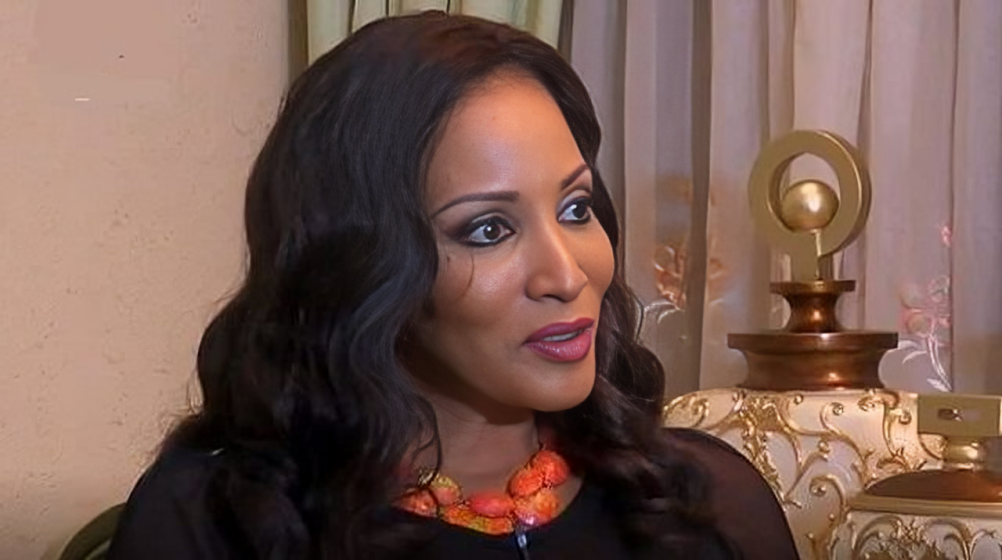
PREMIUM TIMES reports that the Foreign Minister, Bianca Odumegwu-Ojukwu, summoned the South African acting high commissioner over the xenophobic attacks in the country.
According to the ministry’s spokesperson, Kimiebi Ebienfa, the minister made this move to declare the government’s stance and its displeasure at the maltreatment of its citizens.
During a press briefing later on Monday, Mr Ebienfa disclosed that the murder of the two Nigerians compelled the minister to summon the high commissioner.
He noted that Nigeria, during the meeting, condemned the “extrajudicial actions and violence against foreign nationals.”
He said the permanent secretary also referred to the viral videos showing the violent treatment of African foreigners, including Nigerians, by different South African groups.
He said the country demanded that the South African government take concrete action to address xenophobic violence in its states.
Nigeria, South Africa sign MOU on early warnings
Mr Ebienfa also noted that Nigeria and South Africa have now agreed to a Memorandum of Understanding on Early Warning.
The MOU is expected to enhance cooperation, strengthen intelligence sharing, and improve the timely detection and prevention of potential security threats against Nigerians in Pretoria.
He noted that South Africa submitted the signed document last Friday and that implementation will commence within a short period.
“The MOU will help address some of the issues that have cropped up between these two countries.”
He said Nigeria, at the meeting, called for “speedy activation and implementation as a practical channel for rapid information sharing and de-escalation when threats to Nigerians emerge.”
Mr Ebienfa also added that the ministry is “actively engaging South African authorities at the highest levels” to find a lasting solution to the xenophobic attacks.
This engagement, he said, includes a recent telephone conversation between the Minister, Mrs Odumegwu-Ojukwu, and her South African counterpart, Ronald Lamola, earlier in the day.
Meanwhile, Mr Lamola, in a post on X, said his conversation with Mrs Odumegwu-Ojukwu centred on “deepening cooperation across all areas, including people-to-people relations.”
Sidestepping concerns on xenophobic violence in the country, he wrote, “We reflected on the challenges posed by irregular migration and committed to working to address the root causes, find common and sustainable solutions to this shared concern.”