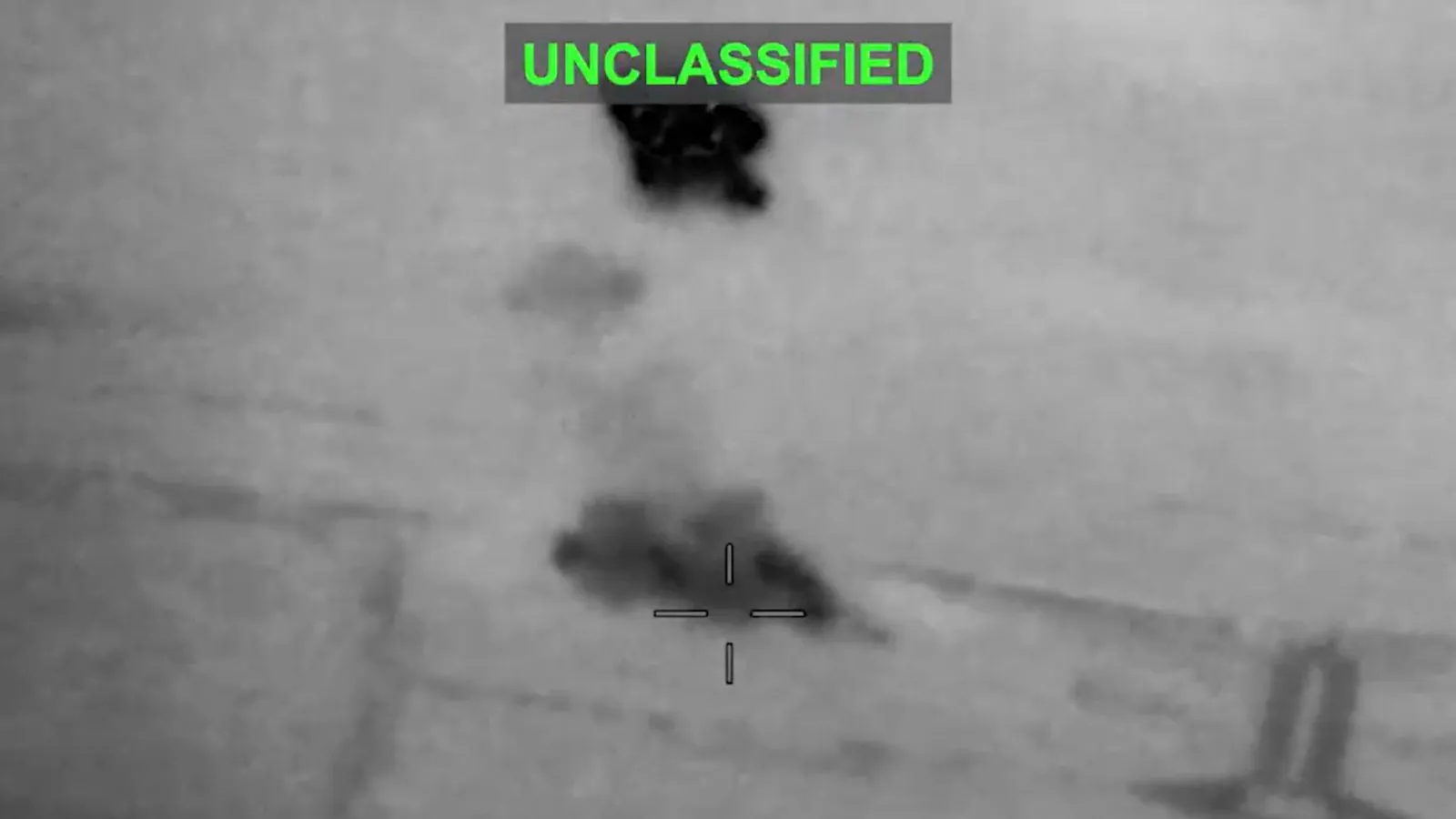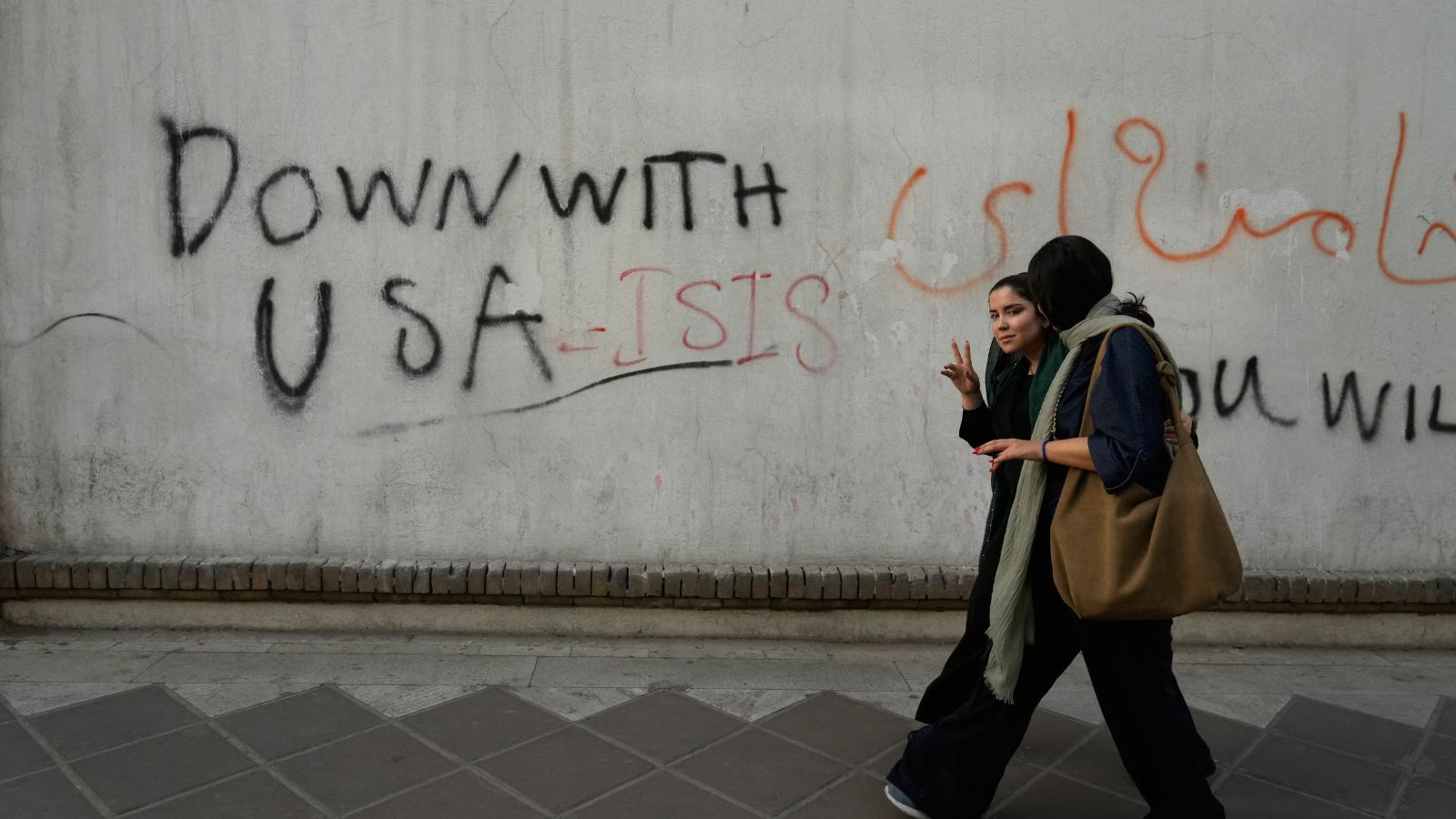
The US-Israel war on Iran reached its 100th day on Sunday, June 8, 2026, with no clear winner, no end in sight, and a US bill running into the hundreds of billions of dollars, as the killing of Iranian Supreme Leader Ayatollah Ali Khamenei in the opening US-Israeli strikes triggered a regional conflict that has since drawn in Lebanon, the Gulf states, and global energy markets.
India, which has maintained a neutral diplomatic position, has been directly hit: an Indian national was killed in the Iranian drone strike on Kuwait International Airport on June 3, the largest Indian diaspora population in the Gulf faces continued security risks, and crude prices through the Strait of Hormuz, through which 65-70 per cent of India’s oil supply transits, have remained elevated.
The 100-day milestone arrives at a moment of partial diplomatic deadlock. Iran has stopped communicating with US mediators about extending the April 7 Pakistan-brokered ceasefire.
The US House voted 215-208 on June 3 to restrict President Trump’s authority to continue the war. Israel is engaged in active strikes against Hezbollah in Lebanon despite a separate Washington-brokered Israel-Lebanon ceasefire.
Cost to US: $11.3 billion in six days, $1 trillion over time
The war has killed at least 3,500 people in Lebanon, displaced more than 1 million, claimed 29 Israeli soldiers and three Israeli civilians, killed at least one Indian national in Kuwait, and cost the US an estimated $11.3 billion in the first six days alone.
Story continues below this ad
A few Democrat leaders have said the war in Iran will cost Washington between $630 billion and $1 trillion, Al Jazeera reported.
Fuel costs alone have added tens of billions more, reflecting the knock-on impact of disrupted oil supplies.
Key players in the conflict
The standoff involves multiple state and non-state actors:
- The United States is leading military strikes and diplomatic pressure.
- Israel is engaged in direct confrontation with Iran-linked forces.
- Iran, responding through direct actions and regional proxies.
- Hezbollah in Lebanon is sustaining cross-border attacks on Israel.
- Gulf countries are impacted by spillover effects despite not being direct participants.
Are peace talks moving forward?
Efforts to secure a deal between the United States and Iran remain stalled. Earlier discussions had pointed to a possible extension of a ceasefire and a fresh round of talks on Iran’s nuclear programme. However, progress slowed after Washington sought changes to the proposed terms.
Story continues below this ad
Iran’s position: ‘The ball is in Trump’s court’
Iran has made it clear that it expects concessions before moving ahead. A senior adviser to Iran’s leadership said “the ball is in Trump’s court”, pointing to demands such as the release of billions of dollars in frozen assets. Tehran has also linked any agreement to a broader ceasefire in the region, particularly in Lebanon.
Iran killed
3,468+
Lebanon killed
3,593+
US cost · first 6 days
$11.3B
House war vote
215–208
Filter:
💸 Financial & Strategic Cost
💸
US war spend — first 6 days
Pentagon briefing to Senate; excludes pre-war asset buildup. Fuel costs added tens of billions more.
📈
Projected total US war cost
Democrat leaders’ estimate via Al Jazeera — not a verified government figure
🏛️
US House War Powers vote
June 3 — directed Trump to end hostilities. 4 Republicans broke ranks. Largely symbolic; Senate must also pass.
🛢️
Global oil price peak
Strait of Hormuz largely closed. Prices volatile — dip on ceasefire signals, spike on escalation.
🛳️
India’s oil via Strait of Hormuz
9–10 million Indians in the Gulf; remittances ~40% of India’s total inflows also at risk
🕊️ Diplomatic Status
Ceasefire talks
Stalled
Iran cut contact with US mediators. April 8 Pakistan-brokered ceasefire not holding.
Iran’s position
“Ball is in Trump’s court”
Demands frozen asset release + Lebanon ceasefire as preconditions
Trump’s stance
“Great success”
Insists Iran “in no position” to develop nuclear weapons; little urgency on talks
Israel–Lebanon
Active strikes continue
Hezbollah rejected conditional truce. Israel striking despite separate ceasefire.
📊 Verified Killed by Nation — as of June 7, 2026
Iran
3,468+
26,500+ wounded
Iran Health Ministry · HRANA: 3,636
Lebanon
3,593+
10,733+ wounded · 1M+ displaced
Lebanese Health Ministry
Israel
56
8,649+ wounded
Wikipedia / Al Jazeera
United States
15
543+ wounded
Pentagon / CENTCOM
Gulf States
32+
UAE 13 · Kuwait 10 · KSA 3 · Bahrain 3 · Oman 3
Wikipedia casualties table
Indians in Gulf
7+
13+ wounded (Kuwait alone)
MEA · Kuwait 3 · Oman 3 · KSA 1
🕯️ Detailed Breakdown
🇮🇷
Iran — killed since Feb 28
Victims aged 8 months–88 yrs · 376 children · 496 women · 3M+ internally displaced · HRANA independently documents 3,636 (1,701 civilian, 1,221 military, 714 unclassified)
🇱🇧
Lebanon — killed since Mar 2
More than one million displaced · 165 children killed · 9 journalists killed in Israeli strikes · IDF claims 2,500 Hezbollah operatives among dead
🇮🇱
Israel — killed (soldiers + civilians)
Includes IDF soldiers killed in Lebanon + civilians from Iranian missile/drone strikes · 8,649+ wounded · Note: source article cited 29 soldiers + 3 civilians — external data shows higher consolidated figure
🇺🇸
US military — killed in action
13 KIA per Pentagon DCAS (combat/hostile-area); 15 total including 2 non-hostile deaths (KC-135 crash Mar 12) · 543+ wounded · Not reported in source article
🇦🇪
UAE — killed (mostly migrant workers)
2 Emirati military, 11 civilians incl. workers from Pakistan, Bangladesh, Nepal, India · 227 wounded
🇰🇼
Kuwait — killed
4 soldiers + 6 civilians · incl. airport strike Jun 3 · 118 wounded · Kuwait expelled 2 Iranian diplomats
🇸🇦
Saudi Arabia — killed
Incl. 1 Indian + 1 Bangladeshi killed in Al-Kharj drone strike on residential building · 29 wounded
🇧🇭
Bahrain — killed
42 wounded · Iran struck Bahrain on Jun 3 alongside Kuwait airport attack
🇴🇲
Oman — killed
All 3 confirmed dead were Indian nationals · 17 wounded
🇮🇳
Indians killed across the Gulf
Kuwait: 3 (desalination plant + missile debris + airport Jun 3) · Oman: 3 · Saudi Arabia: 1 · 13+ wounded in Kuwait airport attack alone · Source article cited only 1 (Kuwait airport)
📰 Sources: Iranian Health Ministry · Lebanese Health Ministry · Pentagon / CENTCOM · Al Jazeera live tracker · MEA India · Wikipedia Casualties of the 2026 Iran war · Data as of June 7, 2026 · Figures are preliminary and evolving · Projected US cost ($630B–$1T) is a political estimate, not a verified government figure · Israeli figure (56) is a consolidated total across all fronts; source article cited an earlier partial figure · Indian diaspora deaths (7+) are cross-Gulf; source article cited only the Jun 3 Kuwait airport death
What Trump has said: ‘Great success’ as the war drags on
US President Donald Trump has played down the lack of progress, saying the United States is seeing “great success” and insisting Iran is “in no position” to develop nuclear weapons. At the same time, he has shown little urgency about stalled talks, suggesting they have lost momentum.
Who is gaining ground?
There is no clear winner in the conflict so far.
The United States and its allies have carried out strikes targeting Iranian military positions and nuclear-linked facilities. These operations were meant to reduce Iran’s capabilities and push it towards negotiations.
Story continues below this ad
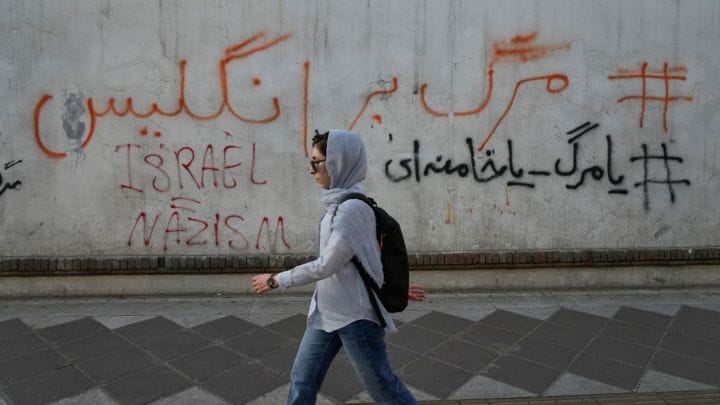
However, Iran has continued to respond through both direct and indirect means. Its regional allies, especially Hezbollah in Lebanon, have kept pressure on Israel through cross-border attacks. This has ensured that the conflict remains active across multiple fronts.
The absence of a decisive military outcome has led to a situation where both sides claim limited success but face ongoing risks. The conflict has become one of endurance rather than quick gains.
How has Strait of Hormuz affected the crisis?
The Strait of Hormuz remains one of the most sensitive points in the conflict. The narrow waterway is a key route for global oil shipments, and any disruption has immediate effects on energy markets.
Iran has asserted that it shares control of the strait with Oman, while military activity in the area has affected shipping. A form of blockade and increased naval presence has created uncertainty for traders and shipping companies.
Story continues below this ad
Oil prices have remained volatile throughout the conflict. Prices have crossed $100 a barrel at times, reflecting fears of supply disruptions. However, there have also been dips when reports of possible ceasefires or negotiations emerged.
Trump has downplayed concerns about rising energy costs, noting that prices have not reached the extreme levels some had predicted earlier in the conflict.
What role is Lebanon playing?
Lebanon has become a key front in the wider conflict. Fighting between Israel and Hezbollah has continued despite repeated attempts to reach a ceasefire.
Hezbollah has rejected conditional truce proposals, insisting that any agreement must include a full Israeli withdrawal and a complete halt to attacks. Israeli operations, meanwhile, have continued in parts of southern Lebanon.
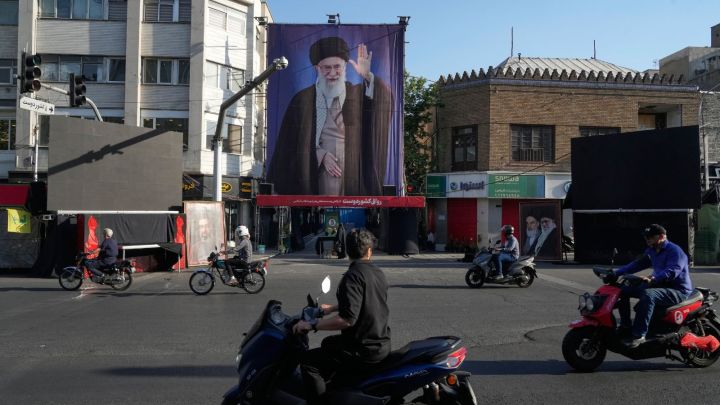
Iran has tied progress in its talks with the United States to developments in Lebanon, making the situation more complex. A ceasefire in Lebanon is now seen as an important step towards any broader regional agreement.
Repeated violations of earlier ceasefire arrangements have reduced trust and made negotiations more difficult.
How are Gulf countries being affected?
Countries across the Gulf have been affected by the conflict, even though they are not directly involved in the fighting. Missile and drone attacks have targeted infrastructure in parts of the region, raising security concerns.
Air travel has been disrupted, with flights cancelled or rerouted due to safety risks. Trade routes have also been affected, especially those linked to the Strait of Hormuz.
The economic impact is becoming clearer. Higher fuel costs, disruptions in supply chains and uncertainty in markets have added pressure on regional economies. Some infrastructure damage is expected to take years to repair, particularly in the energy sector.
What’s ahead
As the conflict approaches the 100-day mark, there is still no clear path to resolution. Talks remain uncertain, and both sides appear unwilling to make the compromises needed for a deal.
Military activity continues at a lower level, but the risk of escalation remains. The involvement of multiple actors across the region has made the situation more difficult to manage.
Quick FAQs on Iran war
For now, the war has entered a prolonged phase, with no clear winner and no immediate end. Much will depend on whether diplomatic efforts can regain momentum or whether the conflict continues to drift without a breakthrough.
Why is the Strait of Hormuz important?
The Strait of Hormuz is one of the world’s most critical oil shipping routes, connecting the Persian Gulf to global markets. A large share of the world’s crude oil and LNG exports passes through the narrow waterway every day. Any disruption affects global energy prices, shipping and supply chains. For India, the strait is especially important because much of its oil imports transit through the corridor.
Why did US and Israel attack Iran?
The US and Israel said their strikes were aimed at weakening Iran’s military and nuclear-linked infrastructure and preventing Tehran from developing nuclear weapons. The conflict escalated after strikes killed Iranian Supreme Leader Ayatollah Ali Khamenei, triggering retaliatory attacks from Iran and its regional allies.
How does Iran conflict affect India?
The conflict affects India through rising oil prices, shipping disruptions and security risks for millions of Indians living in Gulf countries. Any instability around the Strait of Hormuz increases India’s fuel import costs and creates pressure on inflation and trade routes.
Who was Ayatollah Ali Khamenei?
Ayatollah Ali Khamenei was Iran’s Supreme Leader and the country’s highest political and religious authority. He oversaw Iran’s military, foreign policy and strategic decisions for decades and played a central role in shaping Tehran’s relations with the United States and Israel.
Why is Hezbollah involved?
Hezbollah, the Iran-backed armed group based in Lebanon, is one of Tehran’s closest regional allies. The group has carried out cross-border attacks against Israel during the conflict, opening another front in the war and complicating ceasefire negotiations